INI-CET Question Trends 2026: What 5 Years of Paper Analysis Reveal
Apr 14, 2026

Imagine a 28-year MBBS graduate who is taking the INI-CET exam. She has studied hard. She has read Harrisons twice, she has done 8,000 multiple-choice questions, and she has taken three mock tests. When she starts the exam, she realizes that the questions are not what she expected. 60 Percent of the questions are about real patient scenarios, not just simple recall questions.
The questions about Pharmacology are not about the names of medicines but about which medicine to choose for a patient with two health problems. This is a change from what she was used to. Understanding the INI-CET question trends is really important now. It can make a difference in how well you do on the exam.
QUICK ANSWER
The INI-CET exam is given by AIIMS New Delhi for people who want to get into MD, MS, DM, MCh, and MDS programs at AIIMS, JIPMER, PGIMER, NIMHANS, and SCTIMST. The exam has 200 multiple-choice questions that you have to answer in three hours. You get one mark for each answer, and you lose one-third of a mark for each incorrect answer.
Over the past five years, the INI-CET exam has changed a lot. Now most of the questions are about patient scenarios, and there are also a lot of questions with pictures. The exam is not about remembering facts but about using that knowledge to make decisions.
INI-CET 2026 RELEVANCE
If you are taking the INI-CET exam in July 2026, you need to know about the question trends. You need to focus on the subjects that are most important, and you need to practice answering questions that are like the ones on the exam. The INI-CET exam is getting harder. It is not just about remembering facts. You need to be able to use your knowledge to solve problems.
In This Post:
- What changes have happened in the INI-CET exam over the past five years
- How the importance of different subjects has changed from 2021 to 2025
- The increase in questions about real patient scenarios and questions with pictures
- How the exam format changed in 2024
- Which subjects are most important, and where can you get the most marks
- Which subjects are not as important, but can still help you do well
- A comparison of the INI-CET and NEET PG exams
- What we think the question trends will be for the INI-CET exam in July 2026
- The most important points to focus on for the INI-CET exam in 2026
- Frequently asked questions about the INI-CET exam

Download INI-CET Previous Year Question Papers PDF For Free
What Has Changed in INI-CET Over 5 Years?
The INI-CET exam is really different from what it was in 2021. The biggest change happened in the January 2024 session. AIIMS changed the exam format. They divided the 200 questions into four sections. Each section had 50 questions and 45 minutes to complete. This change made it hard for students to just pick the questions. They had to manage their time
The questions themselves have also changed. I have been teaching students who took the exam for years. I noticed that the 2021 papers had a lot of questions. For example, "Which enzyme is deficient in Gaucher's disease?" was a question. By 2024 and 2025, the questions were more like real-life scenarios. A question might describe a child with a disease and ask about the treatment or inheritance pattern. The basic facts are the same. The questions are much harder now.
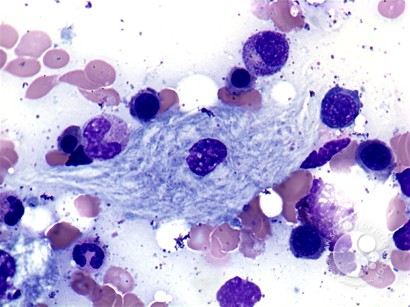
Crumpled tissue appearance -Gaucher disease

Subject-Wise Weightage Trends from 2021 to 2025
AIIMS does not give out information on how much each subject counts. If we look at the questions from the last five sessions, we can see some patterns. These patterns are important for students who want to do
The main subjects like Medicine, Surgery, Obstetrics and Gynaecology, Pharmacology, Pathology, and Biochemistry are still very important. They make up about 50 to 60 percent of the exam. Medicine is an important subject. It has around 18 to 25 questions in each session.
Pharmacology questions have changed a lot. They are now more about real-life scenarios. When asking about a specific drug, the question might describe a patient with a certain condition and ask which drug to use or avoid. Microbiology questions are also changing. They are more about vaccine schedules and laboratory tests.
The pre-clinical subjects like Anatomy, Physiology, and Biochemistry are still important. Biochemistry is changing. It is about molecular biology and genetics now.
I have seen that students who do well in INI-CET are those who study Pharmacology with Medicine and Pathology with Surgery. They do not study these subjects alone. The exam rewards students who can think about all the subjects together.
The Rise of Clinical Vignettes and Image-Based Questions
This is the important thing to know for the INI-CET 2026 preparation. Clinical vignettes are questions that give you a scenario with their history and examination results before asking a question. These types of questions have increased a lot.
Based on what students said about the sessions:
- In the 2021 sessions, 35 to 40 percent of the questions were clinical vignettes.
- In the 2022 sessions, 45 to 50 percent of the questions were clinical vignettes.
- In the 2023 sessions, 50 to 55 percent of the questions were clinical vignettes.
- In the 2024 and 2025 sessions, 55 to 65 percent of the questions were clinical vignettes.
- Image-based questions are also very common now. The July 2022 session had a lot of image-based questions.
- By the 2024 and 2025 sessions, students said they saw 30 to 40 image-based questions per paper, which is about 15 to 20 percent of the questions. These questions include things like histopathology slides, X-rays, CT scans, ECGs, peripheral blood smears, fundoscopy images, and dermatological photographs.
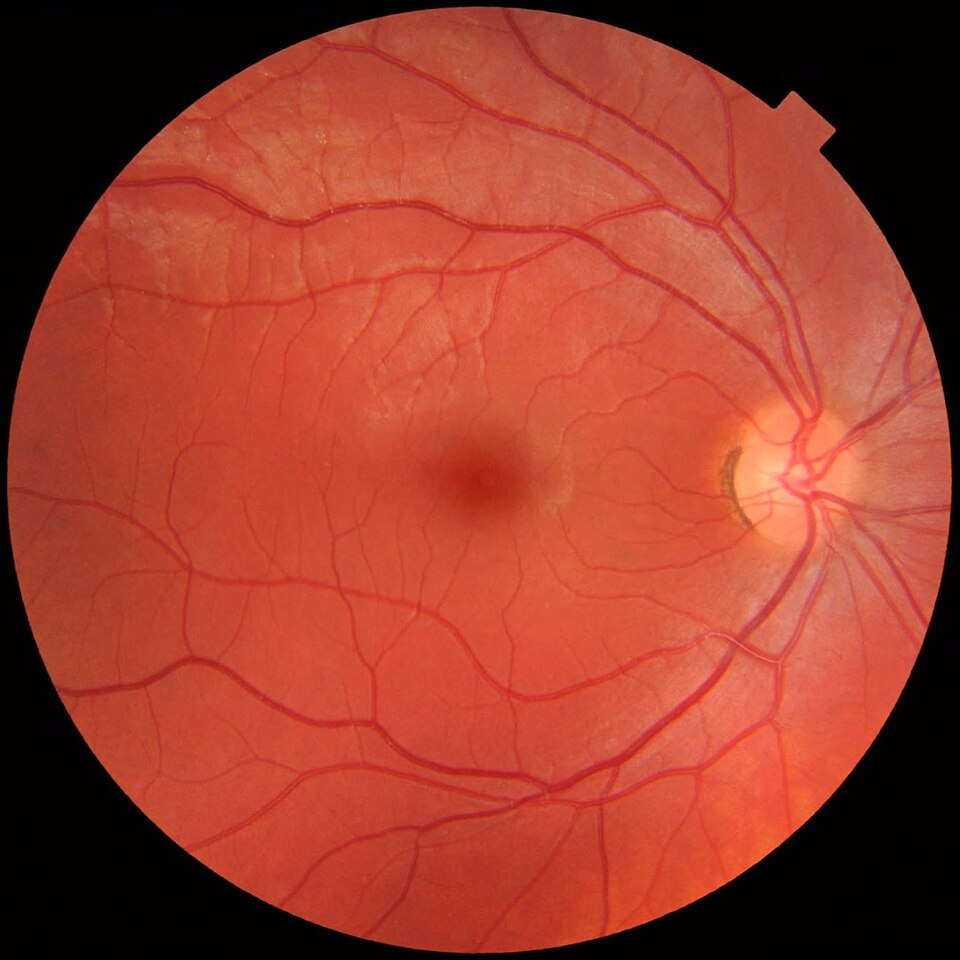
Fundoscopy: Normal fundus
- There is no good doctor who is unable to interpret an X-ray or an ECG. In the INI-CET test, you are now tested on whether you can do this, not whether you are familiar with the theory.
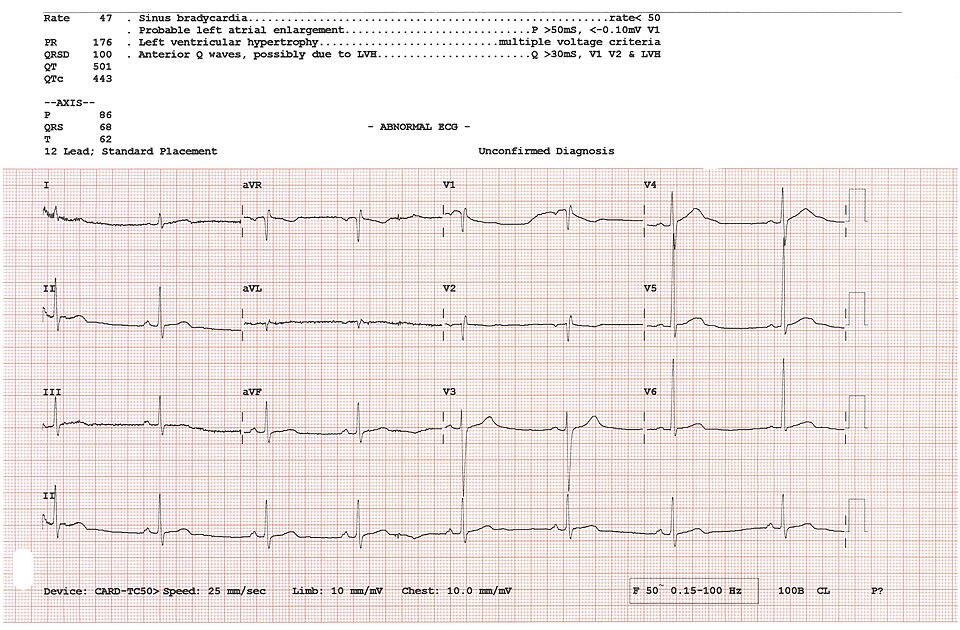
- There are also types of questions, like Extended Matching Questions and Assertion-Reason Questions.
- These questions need you to understand things deeply because you need to know more than the basics to eliminate wrong options.
Also Read: INI-CET vs. USMLE Step 1: A Comparison of Conceptual Depth for NEET PG 2026

Section-Wise Pattern Since the 2024 Format Change
The exam was significantly modified by the 4-part format that began in the January 2024 session. Each section has 50 questions, and you will have 45 minutes per section. It is not possible to revisit a part.
This means that:
- Each section consists of a combination of preclinical, para-clinical and clinical questions.
- You cannot leave your subject to the end.
- You must be quick and precise in each of the four sections.
- Students who attended the November 2025 session reported that one of the parts seemed overly covered in a subject, such as Pharmacology or Surgery.
- This implies that your poor subject may be in a section where your score may be significantly affected.
- The number of questions one should attempt is a good 170 to 185 out of 200. Only when you score over 85 per cent of them.
- Guessing randomly on over 15 to 20 questions will only be detrimental to your score rather than beneficial.
Also Read: 3rd Revision Strategy for INI-CET Toppers: Proven Framework
High-Weightage Subjects. Where the Marks Are
According to what transpired within the five years, the following are the most-asked subjects:
- Medicine: this is the most-asked subject, with around 18-25 questions. The specialities that are frequently asked about are Cardiology, Endocrinology, Nephrology, Neurology, and Infectious Diseases. You would find yourself in a situation where you would be handling a patient who has a heart problem and is diabetic.
- Surgery: the subject consists of 12-18 questions. The ones that are frequently asked are General Surgery, Orthopaedics and Surgical Oncology. Orthopaedics questions are usually challenging. You have to be familiar with issues such as classification systems and management algorithms.
- OBG: This subject has 12-16 questions. The ones that are asked frequently are high-risk pregnancy, labour management and gynaecological oncology screening.
- Pharmacology: this subject has 12-18 questions. The most recurrent ones are drug interactions, adverse effects in certain populations such as pregnant women and questions based on mechanisms.
- Pathology: this subject has 10-15 questions. The ones that are frequently asked are the identification of histopathology images, tumor markers, and the classification of hematological malignancies.
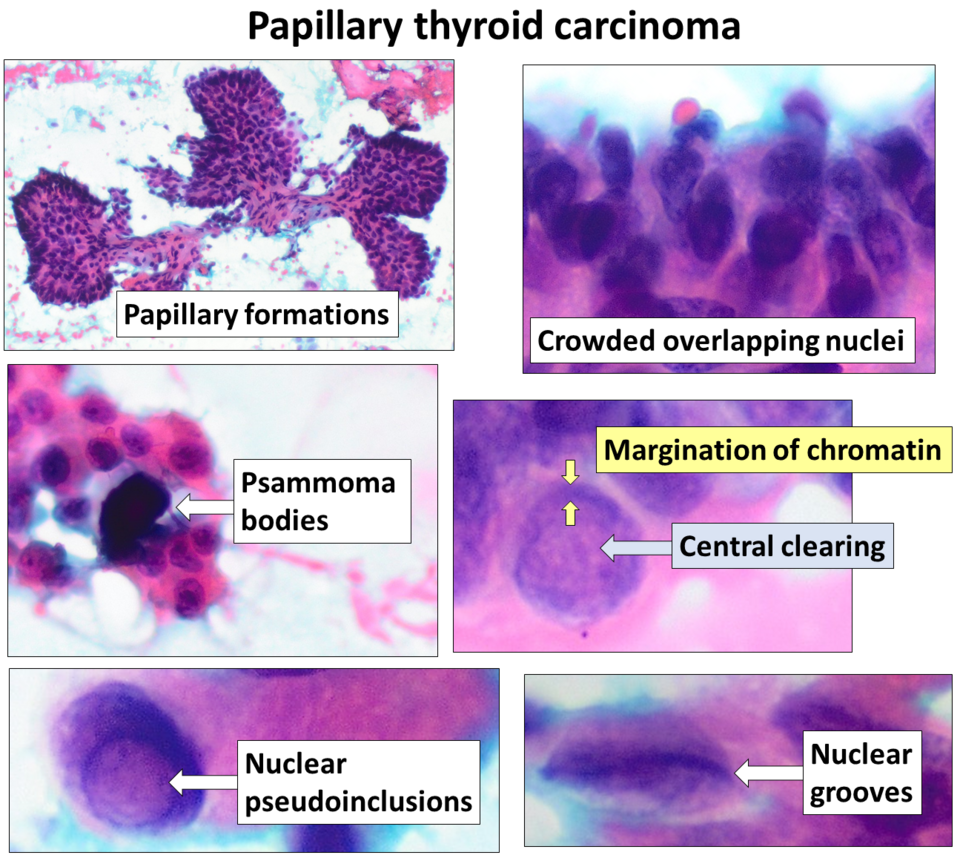
Cytological features of Papillary carcinoma of thyroid
- Biochemistry: This course has 10-15 questions. The ones that frequently emerge include biology, genetic disorders, and metabolic acidosis/alkalosis calculations.
Low-Weightage Subjects. The Hidden Rank Boosters
There are questions on subjects such as Psychiatry, Forensic Medicine, ENT, Ophthalmology, Dermatology, Anaesthesia, and Radiology, with 3 to 8 questions respectively. Collectively, they comprise 15 to 20 % of the paper.
The fact is that these are easy to score in subjects. The questions are normally uncomplicated. The syllabus is insignificant. These subjects have seen students mark 20 to 25 marks in just 2 to 3 weeks of intensive study.
Since 2024, psychiatry has gained more significance. Questions about screening instruments such as PHQ-9 and HAM-D, popular medications such as SSRIs and how to manage psychosis will be asked.
Radiology questions are becoming increasingly popular because the test is more image-oriented. The subjects are now covered by basic questions on CT scans, MRI scans, and X-rays, which are part of Radiology.
A great number commit mistakes. They devote most of their time to the six subjects and only briefly revise the short subjects. Students who make it onto the top 500 list tend to perform excellently in these low-weightage subjects, which are easy to score well in.
INI-CET vs NEET PG
Feature INI-CET NEET PG Conducting body AIIMS, New Delhi NBE (National Board of Examinations) Total questions 200 MCQs in 4 sections 200 MCQs (single session) Duration 3 hours (45 min/section) 3 hours 30 minutes Negative marking -⅓ per wrong answer -1 per wrong answer Question style Heavily clinical, scenario-based, integrated Mix of clinical and factual recall Image-based questions 15-20% (30-40 questions) 8-12% (15-25 questions) Concept repetition rate 20-30% concepts repeat across sessions Higher direct repetition Difficulty level (student feedback) Moderate to difficult Moderate Key differentiator Rewards conceptual depth and clinical application Rewards breadth of coverage and speed NEET PG pearl Preparing for INI-CET covers ~90-95% of NEET PG syllabus, but the reverse is not true - INI-CET demands deeper application NEET PG preparation alone is insufficient for a competitive INI-CET rank
Also Read: How Many Previous Year Questions Are Enough for INI-CET?
Predicted Question Trends for INI-CET July 2026
If we look at the 5 years, we can guess what the July 2026 session, which is expected to be on May 17, 2026, will focus on.
1. More than 65 % of the questions will probably consist of Clinical vignettes. This trend is going in only one direction. We can expect one-line questions and more like real patient scenarios, where we have to use step-by-step clinical thinking.
2. Image-based questions will be around 15 to 20 %. Maybe even increase. These images will likely be from histopathology, radiology (especially CT and MRI scans), ECG interpretation, and dermatology. Let's start remembering what these images look like now.
3. Pharmacology will test how we use medicines in patients, not just basic pharmacology. We will be asked about choosing the medicines for patients with many health problems, how different medicines interact, especially with blood thinners and epilepsy medicines, and how to manage bad reactions to medicines.
4. Recent medical guidelines will also be included. We can expect questions about recommendations from the WHO, AHA, or ESC. The 2023 ESC Guidelines on Cardiovascular Disease in Diabetes, the WHO list of essential medicines, and updated vaccination schedules are all possible topics.
5. Questions that combine subjects will increase. One question might need knowledge from Pathology, Pharmacology, and Medicine. The exam is trying to assess how a real doctor thinks by connecting diagnosis, tests, treatment, and follow-up.
6. Genetics and molecular biology questions will become more common. The trend in Biochemistry questions is moving towards testing, CRISPR, and tumor genetics, which shows a bigger change in how we teach medicine.
We should practice with questions from the PrepLadder QBank to get better at recognising these predicted trends.
HIGH-YIELD POINTS FOR INI-CET 2026
- The subject of Medicine is very important for the INI-CET exam. It contains approximately 18-25 questions per session. The top three subspecialties tested most are Cardiology, Endocrinology, and Neurology.
- The questions in the INI-CET exam are mostly clinical vignettes (60-65%). The quantity of recall questions is reducing per session.
- Questions that are based on images are also significant. They constitute approximately 15 to 20 per cent of the paper that is approximately 30 to 40 questions. The common types of images are histopathology, ECG, and radiology images.
- The INI-CET exam is divided into four parts, each with 50 questions, and the time limit is 45 minutes. This implies that you must not skip any part and come back to it; thus, you must be consistent and correct in everything.
- There is also negative marking: if u choose the incorrect option, you will lose one-third of the question's marks. This implies that you are not supposed to make blind guesses on too many questions.
- Approximately 20 to 30 per cent of the questions tested in the INI-CET are repeated annually; hence the suggestion to practice previous years' question papers.
- The subject of Pharmacology is also very important. In recent years, it has undergone significant change. The questions have become more specific in selecting and managing drugs, besides remembering the mechanism of action of various drugs.
- There are also other subjects, such as Psychiatry, Forensic Medicine, ENT, Ophthalmology, and Dermatology, which constitute approximately 15 to 20 per cent of the paper. These subjects are often neglected by students. They are not difficult to score on.
- The mnemonic for the trends in the INI-CET exam is MICRO SHIFT. This stands for vignettes, Image-based rise, Clinical integration, Recent guidelines, Ortho difficulty spike, Section-wise time pressure, High-yield short subjects, Integrated Pharmacology, Format change, and Trend toward molecular biology.
- Multiple medications in patients are also commonly tested by the examiners in terms of your knowledge of the interaction of drugs. You are expected to be aware of interactions of drugs such as Warfarin, Clopidogrel, Metformin, and anti-epileptic drugs.
- One of the pitfalls of the INI-CET exam is posing a question that has a clinical manifestation of a common disease, but not a characteristic of a rare disease. One must never attempt to answer a question without reading it.
Also Read : 2-Month Study Plan for INI-CET 2026: Week-by-Week Strategy
Frequently Asked Questions
Q1. How difficult will the INI-CET July 2026 be expected to be?
INI-CET July 2026 is expected to be of a medium-to-challenging level, according to the trend over the last five years. July sessions tend to be a little easier than the November sessions, and about 70 per cent of questions are assessed as manageable by the candidates.
Q2. Approximately how many image-based questions will there be in INI-CET 2026?
INI-CET 2026 is likely to have about 30-40 picture-based questions, approximately 15-20 per cent of the paper. The most frequently used types of images are histopathology slides, X-rays, CT scans, ECGs, peripheral blood smears, and clinical photographs of Dermatology and Ophthalmology.
Q3. What are the high-weightage subjects in INI-CET?
Medicine, Surgery, OBG, Pharmacology, Pathology, and Biochemistry are the subjects in which the weightage is placed in INI-CET. Approximately 50 to 60% of the questions are constituted of these subjects.
Q4. Was the pattern of the INI-CET exam recently changed?
Yes, the pattern of the INI-CET exam has been altered recently. Since January 2024 paper is divided into four parts of 50 questions, and the time per part is 45 minutes.
Q5. Does INI-CET require enough preparation in the form of PG?
The overlap between NEET PG and INI-CET in syllabus is approximately 90 to 95 per cent. Ini-CET requires more clinical implementation. NEET PG is ready, but INI-CET needs more training with clinical vignettes, image-based questions and cross-subject integrated reasoning.
Q6. What do you think is the future of INI-CET to test Pharmacology in 2026?
According to the trend, INI-CET will test Pharmacology in a clinical and practical manner, with scenarios such as drug selection among patients with multiple comorbidities, drug interactions, adverse effects, and dose adjustment in renal and hepatic impairment.
CLINICAL PEARL
It is not only about what you know, which is the key to successfully cracking the INI-CET exam, but also about how you develop your knowledge into clinical situations. In my 10 plus years of observation of the changes in exam pattern have shown that the number of hours spent is not the single predictor of success in INI-CET, but whether the student practised applying knowledge to clinical scenarios or merely memorizing it.

PrepLadder
Access all the necessary resources you need to succeed in your competitive exam preparation. Stay informed with the latest news and updates on the upcoming exam, enhance your exam preparation, and transform your dreams into a reality!
Navigate Quickly
Download INI-CET Previous Year Question Papers PDF For Free
What Has Changed in INI-CET Over 5 Years?
Subject-Wise Weightage Trends from 2021 to 2025
The Rise of Clinical Vignettes and Image-Based Questions
Section-Wise Pattern Since the 2024 Format Change
High-Weightage Subjects. Where the Marks Are
Low-Weightage Subjects. The Hidden Rank Boosters
INI-CET vs NEET PG
Predicted Question Trends for INI-CET July 2026
HIGH-YIELD POINTS FOR INI-CET 2026
Frequently Asked Questions
Q1. How difficult will the INI-CET July 2026 be expected to be?
Q2. Approximately how many image-based questions will there be in INI-CET 2026?
Q3. What are the high-weightage subjects in INI-CET?
Q4. Was the pattern of the INI-CET exam recently changed?
Q5. Does INI-CET require enough preparation in the form of PG?
Q6. What do you think is the future of INI-CET to test Pharmacology in 2026?
CLINICAL PEARL
Top searching words
The most popular search terms used by aspirants
- INI CET Exam Pattern
- INI CET High Yield Questions
- INI CET preparation strategy