PrepLadder Version X1: Features, Updates & Why It Matters | NEET PG 2026
Feb 27, 2026
You have spent six months studying nineteen subjects. Your notes are really long, thousands of pages. You watched every lecture and solved thousands of multiple-choice questions. And yet in a mock test, you went blank on a question you know you studied. The information went in it just did not stay. This gap between what you studied and what you remember is where people either do well or poorly on the PG test. PrepLadder Version X1 is made to help with this problem: it helps you remember what you study.
QUICK ANSWER
PrepLadder Version X1 is the version of PrepLadder's NEET PG study program. It is designed to help you remember what you study. PrepLadder Version X1 has new features, including two hundred and eighty hours of video lessons that review past questions, fifty hours of video lessons that cover the most important topics, twenty hours of videos that show real cadaver dissections, over five thousand new multiple choice questions, printed summary charts and a flashcard system called SPARK that helps you review information at the right time. All of this content will be available on April 12 2026.
NEET PG RELEVANCE
PrepLadder Version X1 is trying to solve the problem that people have when studying for the NEET PG test: they forget what they studied, even if they covered all the material. Every feature of PrepLadder Version X1, from the video lessons to the flashcards, is designed to help you remember what you studied so you can do well on the PG test, the INI-CET test and the FMGE test. This program helps you switch from reading information to actually remembering it, which is how the top students study.
In This Post:
- What is PrepLadder Version X1?
- What is the difference between Version X and Version X1?
- Feature 1: Rapid Revision (two hundred and eighty hours)
- Feature 2: Essentials (fifty hours)
- Feature 3: Dissection Videos (twenty hours)
- Feature 4: New multiple-choice questions (over five thousand)
- Feature 5: Printed Summary Charts
- Feature 6: SPARK. A smart flashcard system
- Version X vs Version X1. Comparison Table
- How to get the most out of Version X1
- Frequently Asked Questions
What Is PrepLadder Version X1?
- PrepLadder Version X1 is the new version of PrepLadder's medical study program. It is an upgrade from Version X. While Version X tried to make the study material shorter and more visual, PrepLadder Version X1 is completely different. It is designed to help you remember what you studied so you can do well on the test.
- I have been teaching students for twenty-five years, and I have seen the same thing happen over and over. Students who study the material twice but do not review it well do not do as well as students who study it once and review it in a smart way.
- PrepLadder Version X1 is trying to solve this problem. It does not just give you information. It helps you remember it. Every feature, from the video lessons to the flashcards, is designed to help you remember what you studied.
- The goal of PrepLadder Version X1 is to help you remember what you studied so you can do well on the test. PrepLadder Version X1 will be available on April 12 2026.
Grab the Early Bird Offer to get 7-day early access to Version XI
Version X vs Version X1. What's Changed?
Let me tell you there is a difference between these two versions. Before we dive into each feature, I want to explain the difference between them. Version X was about helping you learn faster. To do this, it cut down video lectures by 15 percent added 3D animations and real patient cases, created an Audio QBank, and gave you notes with flowcharts and mind maps. It helped you study more quickly without missing stuff. Version X1 is a bit different.
- It is about helping you remember what you studied when it really matters, like in an exam.
- The big question it answers is: How can I be sure I recall what I studied when I need to? I always tell my students that there is a difference between recognizing something and actually recalling it.
- Recognition is when you see a multiple-choice question and think, "I have read this before."
- Recall is when you can remember the answer without looking at the options.
- Version X helped with recognition. Version X1 is designed to help with recall.
Feature 1: Rapid Revision. 280 Hours of Exam-Oriented Videos
Version X vs Version X1. What's Changed?
- Before we look at the features, it is worth understanding the big difference between the two versions. Version X was about learning things quickly. It made the video lectures shorter by 15% added 3D animations and real patient cases, started the Audio QBank and gave us notes with flowcharts and mind maps. It helped us figure out how to study without leaving anything out.
- Version X1 is about remembering what we studied. It answers a question: how do we make sure we remember things when we are in the exam hall?
- When I am on the wards, I always tell my students that there is a difference between knowing something and actually remembering it. Knowing something is when you see a question and think, "I have read this".
- Remembering is when you can give the answer before you even look at the options. Version X helped with knowing things. Version X1 is designed to help us remember things.
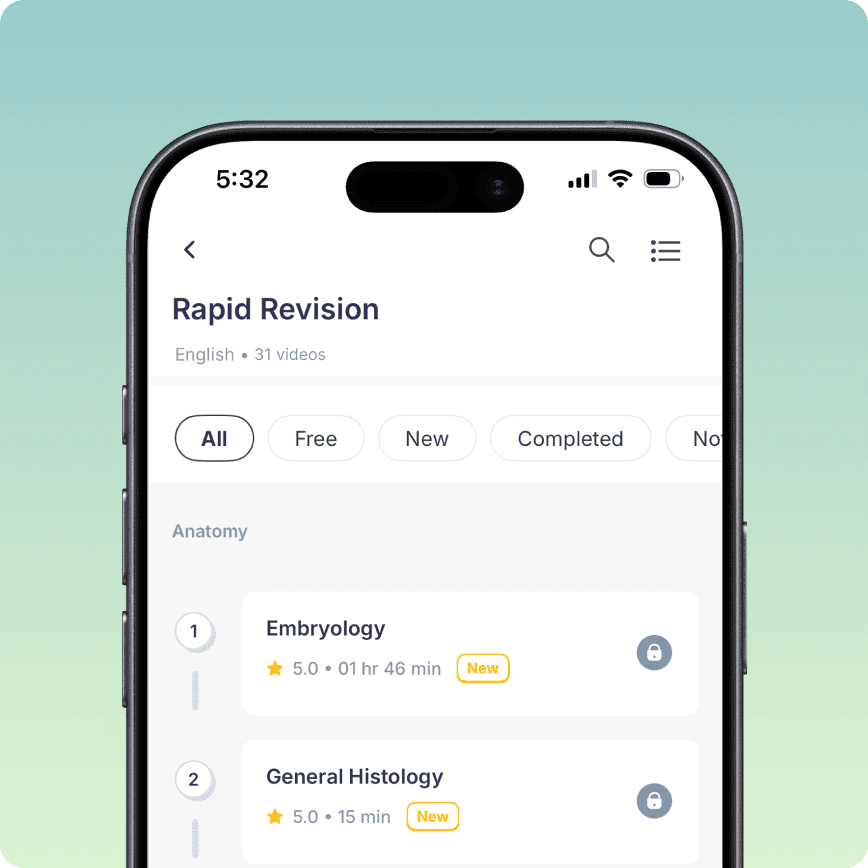

What makes Rapid Revision different from the usual revision videos:
- PYQ Mapping: every video is linked to questions from years of NEET PG, INI-CET and FMGE. You do not just learn something. You see how it was tested in the past. When I am working with patients, I always tell my students that understanding how the examiners think is half the battle. PYQ mapping gives us that understanding.
- Error File Tagging: videos are tagged with mistakes that people make. I wish this were 20 years ago. Students often make mistakes. Getting Type I and Type II hypersensitivity mixed up, confusing drug side effects, or getting dermatomes wrong. Error tagging helps us avoid these mistakes.
- Current Exam Pattern Alignment: The content is structured around how NEET PG's currently ask questions. Not how it was done five years ago. The recent papers have questions that are based on clinical stories, integrated reasoning and images. Rapid Revision videos reflect these changes.
- High-Yield Focus: 280 hours cover the important material that we need to know for the exam without all the extra details that we do not need. It is like the 20% of material that will give us 80% of our score.
For people who're in their final stage of revision. Say 2-3 months before the exam. This module could completely change how they use their time. Rapid Revision could really help these people.
Feature 2: Integrated Essentials. 50 Hours of System-Wise Learning
One of the most frustrating aspects of NEET PG preparation is studying the same organ system across multiple subjects — Cardiology in Medicine, cardiac drugs in Pharmacology, heart pathology in Pathology, cardiac embryology in Anatomy — and never connecting the dots.
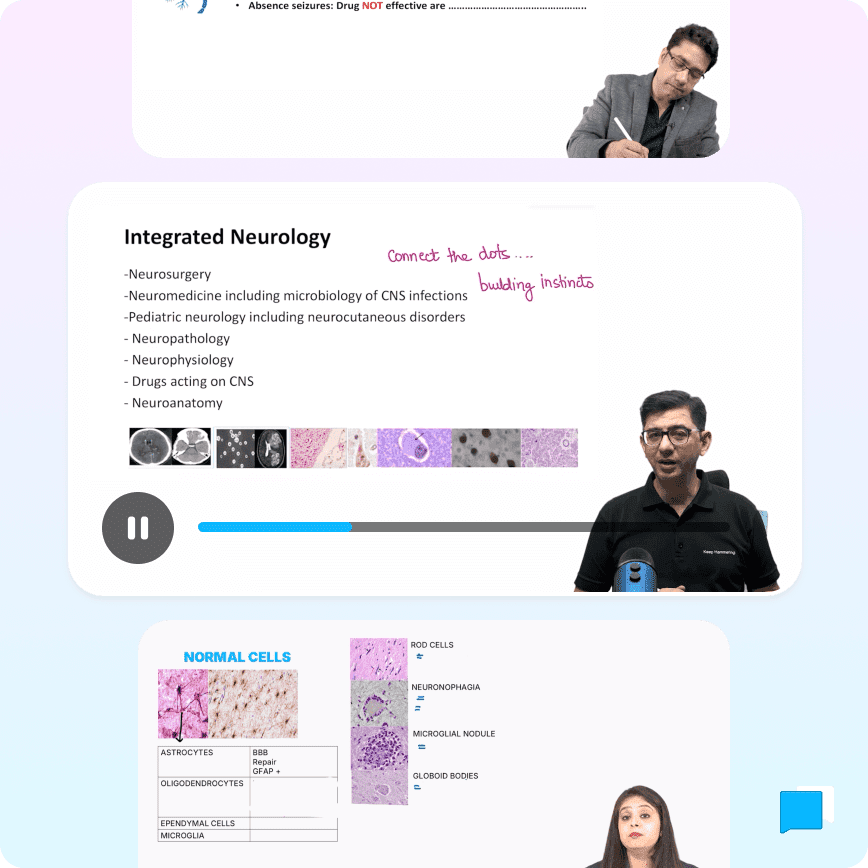
- One thing that really frustrates me when preparing for PG is studying the same body system in many subjects. For example, I study Cardiology in Medicine, heart medicines in Pharmacology, heart issues in Pathology and heart development in Anatomy. It is hard to connect all these dots.
- Integrated Essentials helps with 50 hours of learning that focuses on one system at a time. This way, I can learn about topics that are related in one go. Of studying atrial fibrillation four times in different subjects, I study it once. I learn about its causes, medicines, symptoms and treatment together.
- From my experience of teaching students who understand how things are connected do better in clinical questions. These questions do not just test facts. They test if I can link how a medicine works to a health issue and its symptoms. Integrated Essentials helps me think in this way.
- This module also makes learning easier. When I do not have to repeat the things in many subjects, I have more time to focus on topics that are more difficult. If I want to know more about how learning in a way helps with clinical reasoning, I can check the Medicine section on PrepLadder.
Feature 3: Dissection Videos. 20 Hours of Real Cadaver Dissections
- I think anatomy is a subject that really needs a lot of images to understand. You know, things like -sectional anatomy and surgical anatomy. These are the kinds of questions that are coming up more and more in the PG papers. When you just look at flat diagrams in textbooks, it is not enough to prepare you for these questions.
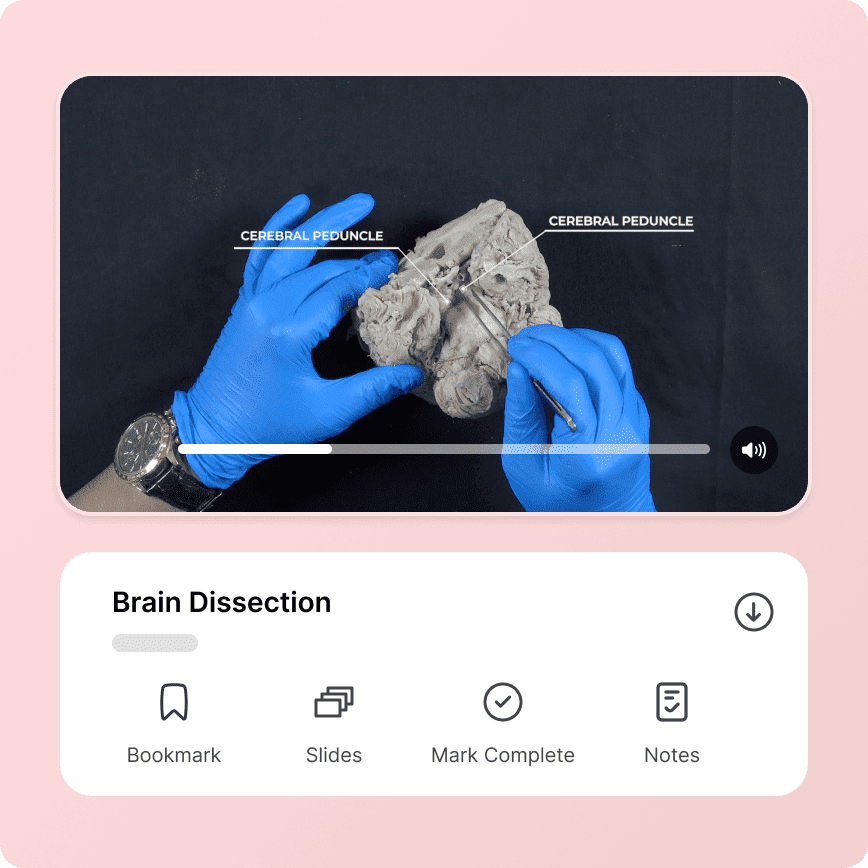
- That is why we have included 20 hours of cadaver dissection videos in Version X1. These videos show you the structures exactly as they are in the human body. This makes anatomy feel more real and easier to understand. You can see how everything is related to the textures and the layers.
- This is what you need to know when you are trying to answer questions about cross-sections, like identifying the structure behind the oesophagus at the level of T4.
- From my experience of teaching anatomy for NEET PG, I have seen that students who use visuals to learn in addition to using atlases are much better at remembering the spatial relationships between different parts. They do not get confused between the thoracodorsal nerve and the long thoracic nerve because they have seen where each one is.
Feature 4: Revamped QBank. 5,000. New NEET PG-Aligned MCQs
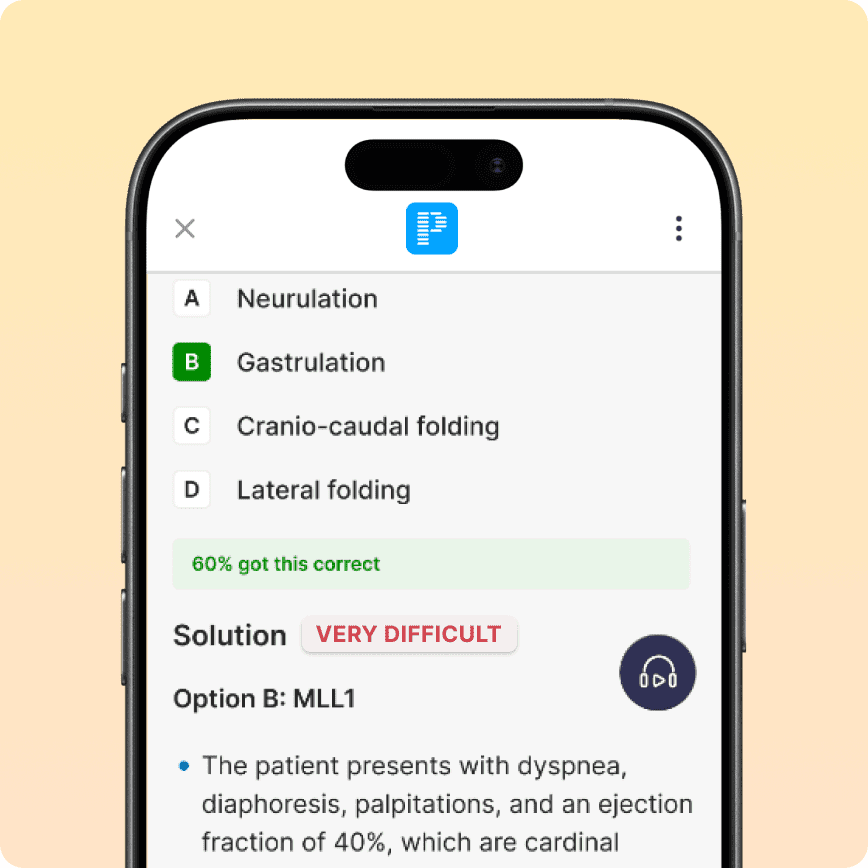
A question bank is only useful if it has questions that are similar to the ones that are going to be on the exam. That is why we have added 5,000 MCQs to the existing bank in Version X1. These are not any questions. They are:
- Aligned with the NEET PG question pattern
- Updated to match the level of difficulty
- Reviewed with input from top-scoring students
- Designed to help you build your exam skills under timed pressure
In my practice, I always compare working on a question bank to doing ward rounds. Theory teaches you the basics. Practice teaches you how to apply what you have learned in a real-world setting under time pressure. Solving framed MCQs every day is the best way to predict how you will do on the exam.
With the addition of 5,000 questions to the existing 18,000+ MCQs in Version X, the PrepLadder QBank now has one of the largest collections of practice questions available for NEET PG students.
You can practice MCQs with the PrepLadder QBank.
Feature 5: Printed Summary Charts

Not all of your study sessions are going to be on a screen. Sometimes you are on a bus. Waiting at a clinic or just squeezing in a few minutes of study before lunch.
That is where the Printed Summary Charts come in.
Each chart takes a topic. Condense it into a single page that is focused on the exam. There are no details, just the concepts that are repeatedly asked, formatted so you can scan them quickly. They are like flashcards, but with the information density of a textbook summary.
These charts work well with the ecosystem. You can watch the video, practice the MCQs, and then use the summary chart to review before the exam. This approach, which combines watching, practicing and reading, helps to activate memory pathways and strengthens retention.
Feature 6: SPARK. Smart Flashcards with Spaced Repetition
This is probably the scientifically sound feature in Version X1. The SPARK feature is a flashcard system that uses spaced-repetition algorithms to help you learn.
Here is how SPARK works. The SPARK feature tracks what you remember and what you do not remember. Things you remember easily are shown to you often. Things you have trouble with are shown to you often. At intervals that are designed to help you learn.
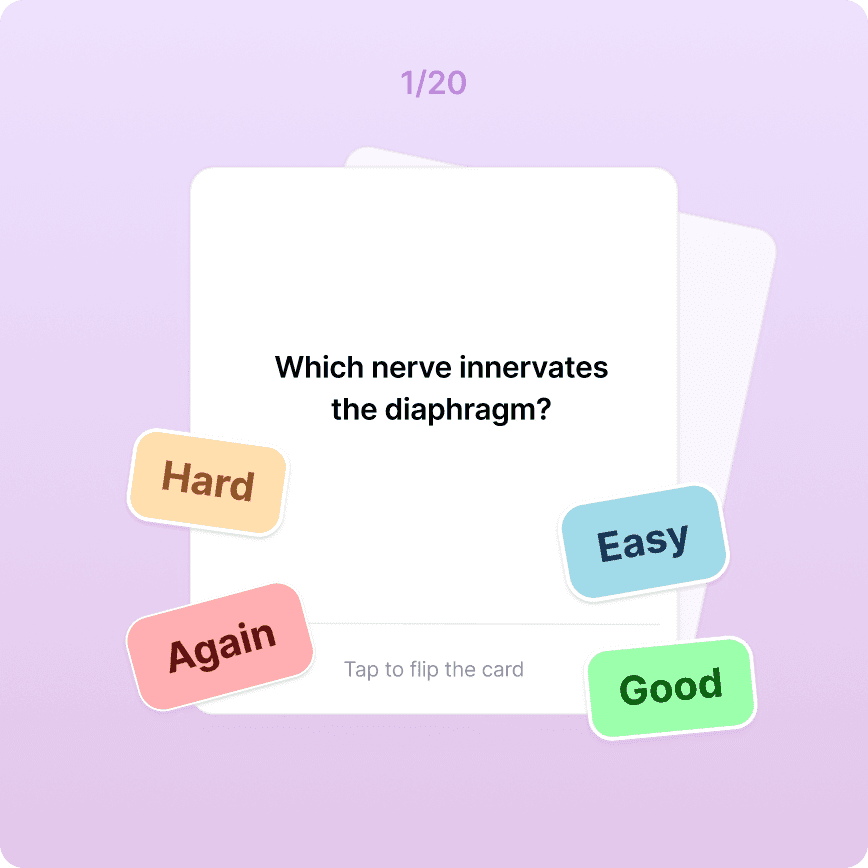
Over time, this helps you remember things you're not good at, and it stops you from studying things you already know too much.
The idea of spaced repetition is not new. It is based on years of research on how people learn. The Ebbinghaus forgetting curve, the spacing effect, and the testing effect are all things that scientists have known about for a long time. What the SPARK feature does is make this process automatic, for people studying for the PG, making it just for them efficient and based on data.
When I am working with my residents, I tell them: you do not learn about a medicine by reading about it one time. You learn it by seeing it in different situations when you are taking care of patients. The SPARK feature does the thing, but on a computer.
Grab the Early Bird Offer to get 7-day early access to Version XI
Version X vs Version X1 — Comparison Table
Feature Version X Version X1 Core Philosophy Learn efficiently (shorter, smarter content) Retain effectively (recall-first architecture) Video Lectures 15% shorter with 3D models & animations Same + 280 hrs NEW Rapid Revision (PYQ-mapped) Integrated Learning Subject-wise structure 50 hrs system-wise Integrated Essentials Anatomy Support Image bank with clinical cases 20 hrs real cadaver dissection videos QBank 18,000+ MCQs with Audio QBank All existing + 5,000 new exam-pattern MCQs Revision Tools Treasures (summary charts — digital) Printed Summary Charts + SPARK flashcards Recall Technology Not available SPARK — spaced-repetition flashcard system Language Options English & Hinglish English & Hinglish (Rapid Revision in both) Best For 20 hours of real cadaver dissection videos Revision, retention & rank improvement 
How To Get the Best Out of Version X1??
I looked at what Version X1 has to offer. I want to share a simple way to use Version X1 that works. This is based on what I have seen work for a lot of students.
Phase 1. Foundation: If you are starting from scratch, use the lectures of Version X1 to get a good understanding of everything. Make sure you learn about all 19 subjects. Do not skip the subjects because NEET PG can be tricky and ask hard questions on easy subjects.
Phase 2. Consolidation: Now switch to Integrated Essentials to review everything in one way. This is where you connect pharmacology to pathology to medicine. Try to solve questions from the question bank after each subject.
Phase 3. Rapid Revision: When you have two or three months left, use the Rapid Revision module of Version X1. Pay attention to the year's questions and error files. Use SPARK every day, even if it is for 20 minutes, because it can really help you remember things. Carry the summary charts with you so you can review on the go.
Phase 4. Test and Refine: Take tests that are as long as the real test. Find out what you are not good at. Then use SPARK again. It will show you what you need to work on.
Students who follow these steps. Learn once, integrate, revise actively and test themselves. Do better than those who just read their notes over and again. They really get the most out of Version X1.
Frequently Asked Questions
What is PrepLadder Version X1?
PrepLadder Version X1 is the latest upgrade focused on retention-first learning. It includes 280 hours of Rapid Revision videos, 50 hours of Integrated Essentials, 20 hours of dissection videos, 5,000+ new MCQs, Printed Summary Charts, and SPARK — a spaced-repetition flashcard system. Content goes live on 12 April 2026.
How is Version X1 different from Version X?
Version X focused on efficient content delivery — shorter lectures, 3D visuals, Audio QBank. Version X1 shifts the focus to retention and recall. It introduces PYQ-mapped revision, system-wise integration, cadaver dissection videos, and SPARK flashcards — tools designed to convert studied content into exam-day performance.
Will my Version X progress be saved if I switch?
Yes. There is an option to switch between versions, and your progress and analytics from Version X will remain intact.
What is SPARK in PrepLadder Version X1?
SPARK is a smart digital flashcard system based on spaced-repetition science. It tracks what you remember and what you forget, then resurfaces weak concepts at optimal intervals. This strengthens long-term memory while preventing over-revision of already mastered topics.
When does Version X1 content go live?
Version X1 content is scheduled to go live on 12 April 2026. Until then, users retain access to existing Version X content and can preview demo videos of the new features.
CLINICAL PEARL
Covering the syllabus is the floor. Retaining it is the ceiling. Every rank-changing mark comes from the gap between what you studied and what you remembered on exam day. After 25 years of watching students prepare for medical exams, I can tell you. The ones who score highest are not the ones who studied the most. They are the ones who retained the most. Version X1 is built for that student.

PrepLadder
Access all the necessary resources you need to succeed in your competitive exam preparation. Stay informed with the latest news and updates on the upcoming exam, enhance your exam preparation, and transform your dreams into a reality!
Navigate Quickly
What Is PrepLadder Version X1?
Version X vs Version X1. What's Changed?
Feature 1: Rapid Revision. 280 Hours of Exam-Oriented Videos
What makes Rapid Revision different from the usual revision videos:
Feature 2: Integrated Essentials. 50 Hours of System-Wise Learning
Feature 3: Dissection Videos. 20 Hours of Real Cadaver Dissections
Feature 4: Revamped QBank. 5,000. New NEET PG-Aligned MCQs
Feature 5: Printed Summary Charts
Feature 6: SPARK. Smart Flashcards with Spaced Repetition
Version X vs Version X1 — Comparison Table
How To Get the Best Out of Version X1??
Frequently Asked Questions
What is PrepLadder Version X1?
How is Version X1 different from Version X?
Who should upgrade to Version X1?
Will my Version X progress be saved if I switch?
What is SPARK in PrepLadder Version X1?
When does Version X1 content go live?
Top searching words
The most popular search terms used by aspirants
- Medical PG Preparation
- neet pg version x