NEET PG High-Yield Topics You Should Focus On in 2026
Jul 10, 2026

CLINICAL SCENARIO
Imagine a final-year intern taking the PG exam on August 30, 2026. She has studied for 14 months. The first 20 questions throw her off. Three clinical vignettes test topics she didn't quite cover. Managing postpartum hemorrhage, differentiating tubular acidosis, and a dermoscopy question on melanoma. She freezes.
Meanwhile, another candidate across the hall is confident. He had seen these patterns in his previous year's question analysis and practiced them during revision. He finishes with over 185 attempts.
What makes the difference between them?
Not the number of hours they studied. What they studied. If you're preparing for PG 2026, this article will guide you to become the second candidate. Let's break down the high-yield topics you need to focus on.
QUICK ANSWER. NEET PG 2026 STRATEGY
Exam Date: August 30, 2026. The exam format includes 200 multiple-choice questions divided into 5 sections of 40 questions each. You have 42 minutes per section. The total marks are 800 with +4 for answers and -1 for incorrect ones.
The subjects with the weightage are Surgery with around 23 questions, Medicine with around 21 questions, and OBG with around 19 questions. Most questions are vignettes (32%) and integrated questions (21%). 30% of the questions are repeated from previous years.

NEET PG 2026. EXAM PREPARATION TIPS
The competition is tough:
Over 2.4 lakh candidates are vying for 45,000 PG seats across the country. The exam pattern has changed a lot from 2023 to 2025. Now it focuses more on reasoning rather than simple one-liners. The questions are becoming more integrated, combining subjects.
The exam conducting body, NBEMS, prefers a format: a clinical case with an image and lab results, asking for the most likely diagnosis or the next best step. In 2025, subjects like OBG, PSM, Microbiology, and Ophthalmology were given importance.
For 2026, expect more complex questions that test multiple subjects at once, like Medicine, Pharmacology, and Pathology together. New health programs like NTEP, NPCDCS, and Ayushman Bharat PM-JAY are likely to be asked questions about.
|
|
|
|
|
|
|
|
|
|
|
|
High-Yield Topics for PG 2026 by Subject
Focusing on the right topics is key. From my 25 years of experience in coaching PG aspirants, I have seen that top performers do one thing differently: they master a small portion of the content that generates most of the questions. Here is a subject-by-subject breakdown of the important topics for the August 2026 exam.
General Medicine - 21 questions
The NEET PG 2025 paper had a lot of questions about Medicine, about the heart, and things like that. For 2026, you should really know about ketoacidosis and hyperosmolar hyperglycemic state. What makes them different? You should also know how to understand thyroid function tests, what rheumatic fever is, and how to treat coronary syndrome.
You need to know about kidney disease and how it is staged. You need to know about hepatitis B. What the different tests mean. This has been on the test a lot, 6 out of the 10 times.
NBEMS TRAP ALERT:
A lot of students get confused about hepatitis B. They mix up the window period and the markers for infection. The thing that makes them different is if someone just has HBc IgM. This is something that NBEMS likes to test.
If you want to be one of the students, you should know about the new rules for hypertension from the WHO. You should also know about the guidelines for lipids from the ACC/AHA. You should read the new version of Harrison's. It has updates on heart failure and new medicines, like dapagliflozin and empagliflozin. These are things to know for the test.
Also Read: Crafting a NEET PG Study Plan for Working Professionals
General Surgery: The Applied Science Giant (23 Questions)
Surgery has the questions in the entire paper. About 23 questions, including Orthopedics. The NEET PG 2025 paper had a lot of questions on GI surgery and neoplasia, based on what students remember. We think this will keep happening.
Must-know Topics:
- Figuring out what is wrong with someone's abdomen, breast cancer stages and treatment, checking out thyroid nodules, inguinal hernia anatomy and repair, intestinal blockage, and taking care of burns.
- For example, you need to know what to do when someone's abdomen hurts, how to stage breast cancer, and how to decide if someone needs a biopsy. You also need to know about hernias, what happens when your intestine gets blocked, and how to take care of burns.
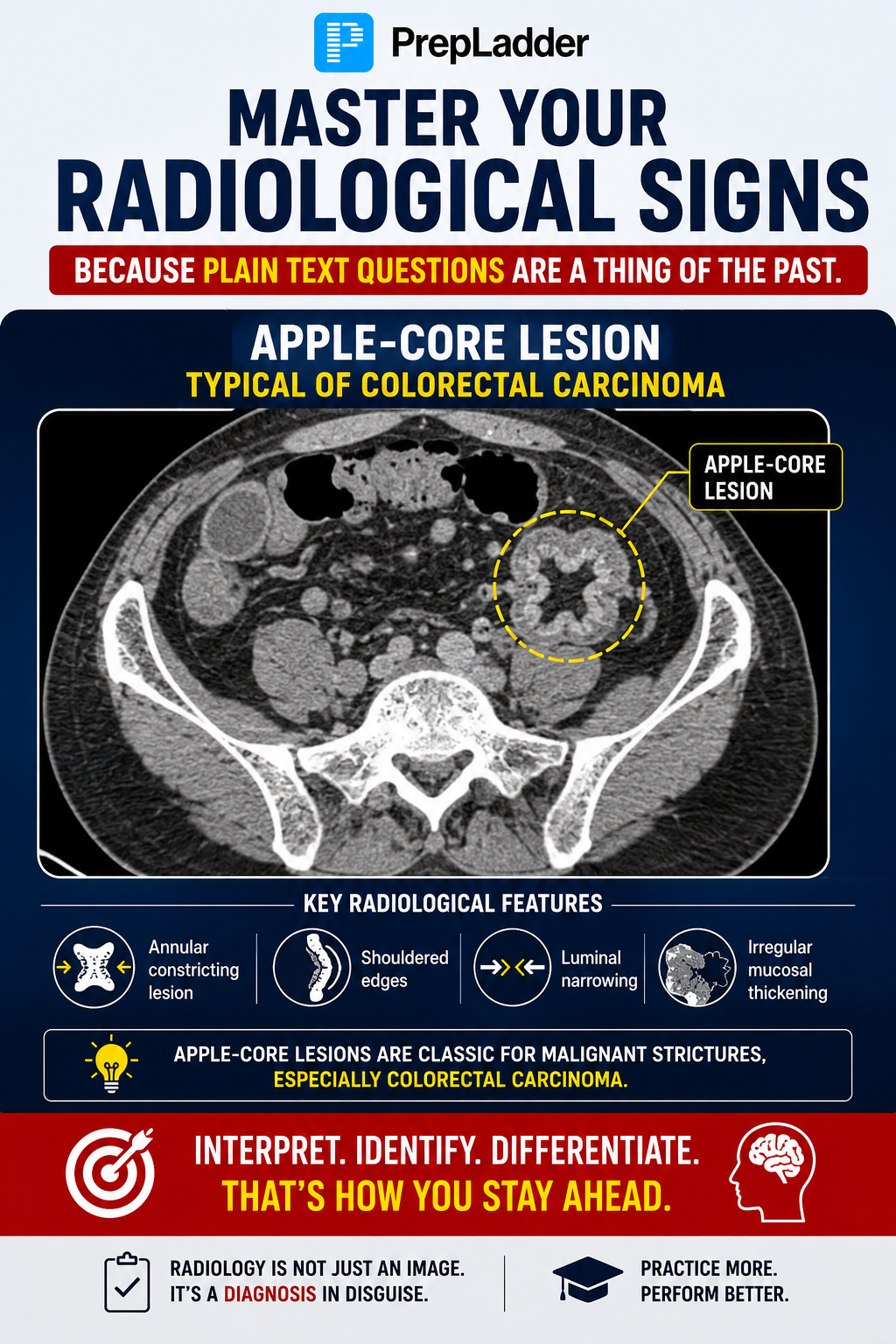
Image Alert: You should practice looking at pictures like CT scans for abdominal problems, mammograms for breast problems, and barium tests for blockages. It is not enough to know what is wrong; you need to be able to point out the specific sign in the picture.
NBEMS Trap Alert: Be careful when answering questions about burn treatment. Some students make a mistake when using the Parkland formula to calculate how much fluid to give someone with burns. They think you start counting from when the person gets to the hospital. You actually start counting from when the person got burned. This can cost you 4 marks.
Obstetrics and Gynecology -Rising Star with around 19 questions.
In the PG 2025 Obstetrics and Gynecology saw a big increase in importance, with around 19 questions. The topics that were most asked about were postpartum hemorrhage, the protocols for taking care of women, and how to manage ectopic pregnancies.
Must Know Topics: These include how to manage postpartum hemorrhage, which is done in a step-by-step way, starting with oxytocin, methylergometrine, then carboprost, then B-Lynch suture, and finally hysterectomy.
This is a way to ask questions, so you should know it well. You should also know the difference between pre-eclampsia and eclampsia, including how to diagnose them and how much magnesium sulfate to give, using either the Pritchard or Zuspan method.
Other important topics in Obstetrics and Gynecology include the criteria for diagnosing PCOD, which is based on the Rotterdam criteria, how to screen for cancer, which can be done using VIA, Pap, or HPV DNA tests, and which contraceptive drug to use in different situations.
In the context of India, it is also important to know about the guidelines under the Janani Shishu Suraksha Karyakram and LaQshya programs, which are related to the quality of labor rooms. You should know what benefits are available under these programs, such as drugs, tests, food, transport, and blood.
Contraindications: It is very important to remember that methylergometrine should not be used in patients with high blood pressure or pre-eclampsia. This is a common question in the NEET PG exam, where you are asked which drug is not used to treat postpartum hemorrhage in a patient with high blood pressure, and the answer is always methylergometrine.
Also Read: Why Brilliant Students Fail NEET PG: Psychological Insights
Pathology -15 questions
The main things to focus on in Pathology are:
- Neoplasia is the most tested topic in Pathology. This includes tumor markers, the difference between grading and staging, and paraneoplastic syndromes.
- Hematological malignancies, which include ALL and AML, and how to tell them. We also need to know about CML and the Philadelphia chromosome and Auer rods, which are signs of AML.
- Glomerulonephritis classification includes nephrotic and nephritic. We need to know the histopathology findings for each type.
- Amyloidosis, which includes AL and AA, and how Congo red birefringence works.
- Granulomatous inflammation causes, which are TB, leprosy, sarcoidosis, fungal, and foreign body.
- To get an edge over others, we need to know about Immunohistochemistry markers. These include CD markers for lymphomas, like CD20 for B-cell and CD3 for T-cell. We also need to know about HER2/neu for breast cancer, S-100 for melanoma and schwannoma, and desmin for rhabdomyosarcoma.
- The tables on IHC markers in the edition of Robbins are really helpful for image-based questions. Pathology is a subject, and we need to study it well to do well in the NEET PG exam.
Pharmacology. The Mark Multiplier (around 14 Questions)
Pharmacology is a subject that overlaps with every other clinical subject. For example, a question about a patient might test your knowledge of Pharmacology regarding metformin contraindications, as well as your knowledge of Medicine.
Key things to know for Pharmacology: lists of the medicines for certain conditions, choosing the right antiepileptic medicine based on the type of seizure, selecting anti-hypertensive medicines based on other health conditions a patient has, understanding how different antibiotics work and their resistance patterns, knowing about interactions between different medicines, and being aware of common bad reactions to certain medicines.
Important Trap to Avoid: Rifampicin is a medicine that can make other medicines work less well. It can affect the working of contraceptives, warfarin, and cyclosporine. A typical question might describe a situation where a transplant patient taking cyclosporine starts rejecting the organ after beginning ATT. The answer lies in understanding how rifampicin interacts with cyclosporine. The 9th edition of KDT explains this in detail.
Also Read: Top 10 Most Demanding Branches of PG Medical Courses in India
Preventive and Social Medicine-15 questions
There are some areas that you should focus on to get marks. These include Biostatistics, which is the study of numbers in medicine. You should know about things like sensitivity and specificity, and how to design a study. The people who make the exam questions are asking more about biostatistics every year.
You should also know about the National Health Programs in India. For example, you should know about the names and terms used in these programs, like NTEP, which replaced RNTCP. You should know about the DOTS-Plus protocol and the different medicines used to treat diseases. Other important programs include NVBDCP, NPCDCS, and NMEP.
Preventive and Social Medicine also includes the study of how diseases spread. You should know about things like measles and polio and how India is working to eliminate these diseases. You should also know about the vaccines that are available, like PCV, RVV, and the MR vaccine. These vaccines are very important. Are likely to be asked about in the exam.
You should also know some facts about the population of India. For example, you should know that the total fertility rate, or TFR, is 2.0 according to the NFHS-5 survey.
You should also know that the infant mortality rate, or IMR, is 28 per 1000 live births and that the maternal mortality rate, or MMR, is around 97 per lakh. These numbers are often asked about in the exam, so it is a good idea to memorize them.
Microbiology-12 questions
The questions are now more linked to real-life clinical cases. For instance, a question on pneumonia might test your knowledge of the germ that causes it, how it appears under a microscope, the way to grow it in a lab, and which medicines can kill it.
The main areas to focus on are: understanding Gram stain results and how they relate to germs and treatments knowing the right food to grow different germs in a lab (like Löwenstein-Jensen for TB, Thayer-Martin for gonococcus and TCBS for Vibrio) understanding the different tests for viral hepatitis knowing the details about HIV testing (like window period, ELISA, Western blot, NAAT and NACO guidelines) being able to tell different malaria parasites apart (like P. Falciparum and P. Vivax which come up almost every year) and understanding fungal infections in people, with weak immune systems.
Pre-clinical Trio: Anatomy, Physiology, and Biochemistry (40-45 questions)
Preclinical subjects are very important for PG 2025. The analysis shows that these subjects are now being tested in a practical way with questions that apply to real-life clinical scenarios rather than just straightforward recall.
Anatomy Focus: Anatomy was considered tough in 2025 with questions that required a clinical understanding, as well as the ability to interpret images used in Radiology. Key areas of focus in Anatomy included Neuroanatomy, where questions were asked about damage to nerves and the blood supply to the brain.
For example, a question might ask which artery blockage causes a problem. Other areas of focus were embryology, where questions were about birth defects linked to issues during development, such as tracheoesophageal fistula, Meckel's diverticulum, and horseshoe kidney, and cross-sectional Anatomy as it relates to Radiology.
Physiology Focus: Physiology, the main areas tested were Cardiac Physiology, with questions that combined knowledge of the Wiggers diagram and the cardiac cycle with ECG interpretations. Other areas included physiology, where questions were about how the Glomerular Filtration Rate is controlled, the countercurrent mechanism, and differentiating between various Renal Tubular Acidosis types.
Respiratory Physiology was also tested, the oxygen-hemoglobin dissociation curve, which is a favorite topic of NBEMS, often with a clinical application.
Biochemistry focuses on metabolic pathways, such as deficiencies in glycolysis enzymes and disorders of the urea cycle. It also tested knowledge on storage diseases like Gaucher's, Niemann-Pick, and Tay-Sachs diseases, requiring information on the enzyme involved, the substance that builds up, and the inheritance pattern.
Molecular Biology was another area with questions on DNA repair mechanisms and different types of PCR, which is increasingly being tested under the topic of advances.

Short Subjects—your secret weapon (40-50 questions)
These include Ophthalmology and ENT, Dermatology, Psychiatry, Anesthesia, Radiology, Orthopedics, and Forensic Medicine. All these subjects together have around 40 to 50 questions. From what I have seen while teaching, the students who do well in exams consider these subjects to be easy to score. If you study these subjects for two weeks, you can easily get more than 30 marks.
- In Ophthalmology, you need to know about the types of Glaucoma and how to treat them, what happens when the retina gets detached, how to grade diabetic retinopathy, and how to classify squint.
- In ENT, you need to know about Cholesteatoma, which is also known as CSOM, how to classify hearing loss using the Rinne and Weber tests, and when a tracheostomy is needed.
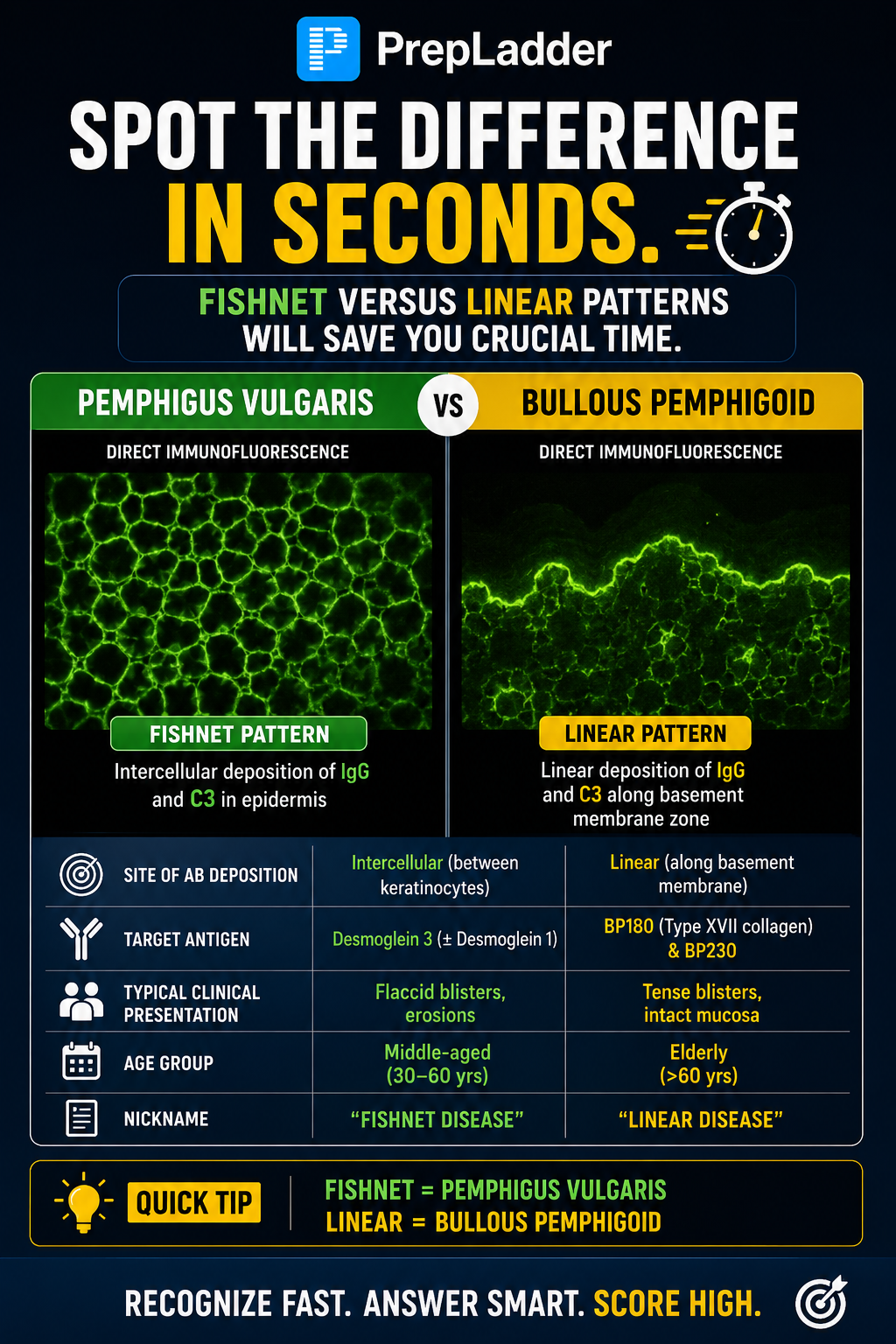
- In Dermatology, you need to know the difference between Pemphigus and pemphigoid, how to treat psoriasis, and how to classify Hansen's disease using the Ridley-Jopling method.
- Forensic Medicine is another subject. In Forensic Medicine, you need to know about the timeline of Rigor mortis, the types of asphyxia, the sections of the law that deal with these issues, such as IPC 304A, 304B, and 376, and what antidotes to use for different poisons.
HIGH-YIELD RAPID RECALL
One-Liner Bank
- Most common cause of iron deficiency anemia in India → Hookworm infestation
- Drug of choice for MRSA → Vancomycin
- Investigation of choice for pulmonary embolism → CT Pulmonary Angiography
- Pathognomonic sign of measles → Koplik's spots
- Most common cancer in Indian females → Breast cancer (overtook cervical as per ICMR data)
- Contraindicated in myasthenia gravis → Aminoglycosides
- Earliest manifestation of diabetic nephropathy → Microalbuminuria
- Drug of choice for status epilepticus → IV Lorazepam (followed by IV Phenytoin/Fosphenytoin)
- Most common cause of neonatal meningitis → Group B Streptococcus
- Most common type of renal stone → Calcium oxalate
- Mnemonic: RANK SMART — 8 Pillars of NEET PG 2026 Strategy
R — Revise PYQ themes (30% repeat rate)
A — Ace the short subjects (easy 40+ marks)
N — National programs are non-negotiable
K — Know your drug of choice lists cold
S — Sharpen image interpretation skills
M — Master differential diagnosis tables
A — Apply concepts clinically (no rote recall)
R — Recent guidelines are 2026 question sources
T — Time your practice (42 min/section discipline)
Key Numbers to Memorize
Parkland formula: 4 mL × body weight (kg) × %TBSA burned (first 24 hours)
Magnesium sulfate toxicity: Loss of deep tendon reflexes at >8 mEq/L, respiratory arrest at >12 mEq/L
GFR staging (CKD): Stage 3a = 45–59, Stage 3b = 30–44, Stage 4 = 15–29, Stage 5 = <15
Bishop's score ≥6 → favorable for induction of labor
CD4 count <200 → AIDS-defining, start prophylaxis for Pneumocystis
PYQ THEME TRACKER: HIGH-YIELD TOPICS
We looked at NEET PG papers from 2020 to 2025. Found the themes that are most often repeated.
- Drug of choice questions come up a lot. Around 15 to 20 times per paper. They are asked as one-liners and within case studies.
- Diagnostic criteria like Jones, Duke, RIFLE/AKIN, Rotterdam, and McDonald are tested around 8 to 10 times. They are usually in clinical case studies with lab results.
- Tumor markers and IHC are tested around 5 to 7 times. The questions are becoming more image-based.
- National Health Programs are tested around 6 to 8 times, mostly in a direct recall format.
- Contraindication-based questions with "All EXCEPT" come up around 8 to 10 times.
For 2026, we predict that at least 55% of the paper will need clinical reasoning. This is because there is a trend towards clinical integration, and in 2025, 32% of the questions were purely clinical and 21% were integrated.
To prepare, look at every topic with a "case study lens". Of just knowing the drug of choice, be ready to answer "A patient has these symptoms, what treatment do you give and why?"
Quick Answer: NEET PG 2026 Strategy & Updates
NBEMS has radically changed the format. You have to adapt to the new math.
- Exam Date: August 30, 2026.
- Total Questions: 180 multiple-choice questions.
- Section Split: 5 sections. Group A, B, C, D, and E.
- Questions Per Section: Exactly 36 questions in each block.
- Time Allocation: Exactly 42 minutes per section.
- The Hard Lock: When the 42 minutes run out, the section locks permanently. You are forced forward. No going back.
- Marking Scheme: +4 for correct answers. -1 for incorrect ones. Total 720 marks.
High-Yield Topics for PG 2026 by Subject
Top performers do one thing differently. They master the core topics that generate 80 percent of the questions. Here is your subject-wise bulleted breakdown.
General Medicine
The heart and the kidneys will dominate this section.
- Endocrinology: Differentiating Diabetic Ketoacidosis from Hyperosmolar Hyperglycemic State protocols.
- Cardiology: Acute coronary syndrome management. The latest ACC/AHA lipid guidelines. New heart failure drugs like dapagliflozin and empagliflozin.
- Nephrology: KDIGO 2024 guidelines for Acute Kidney Injury staging.
- Clinical Trap: Hepatitis B serology. Students constantly mix up the window period and the markers for chronic infection. Isolated HBc IgM means an acute infection window period. NBEMS loves testing this exact profile.
General Surgery: The Applied Science Giant
Surgery takes up a massive chunk of the paper.
- GI Surgery: Acute abdomen differentials and intestinal obstruction radiology.
- Oncology: Breast cancer staging, biopsy indications, and thyroid nodule workups.
- General: Inguinal hernia anatomy and repair techniques.
- Clinical Trap: Burn fluid resuscitation. Students always mess up the Parkland formula, which is 4 mL x body weight in kg x percentage of TBSA burned. The trap is the timing. You calculate from the exact time the burn occurred, not the time of hospital admission. Falling for this costs you 4 marks.
Obstetrics and Gynecology
OBG is a rising star in the new pattern.
- Obstetrics: Step-wise management of Postpartum Hemorrhage. Start with oxytocin, move to methylergometrine, then carboprost, then a B-Lynch suture, and finally a hysterectomy.
- Eclampsia: Diagnosing pre-eclampsia versus eclampsia. Master the magnesium sulfate dosages using the Pritchard or Zuspan method.
- Gynecology: Rotterdam criteria for PCOD. Cervical cancer screening protocols using VIA, Pap, or HPV DNA testing.
- Clinical Trap: Never use methylergometrine in a patient with severe pre-eclampsia or chronic hypertension. It causes a massive, lethal hypertensive crisis.
Pathology
- Neoplasia: Tumor markers, grading versus staging, and paraneoplastic syndromes.
- Hematology: Differentiating ALL from AML. Finding Auer rods in AML. Spotting the Philadelphia chromosome t(9;22) in CML.
- Immunohistochemistry Markers: Master these for an easy edge. CD20 for B-cells. CD3 for T-cells. HER2/neu for breast cancer. S-100 for melanoma. Desmin for rhabdomyosarcoma.
- Clinical Trap: Spotting amyloidosis requires a Congo Red stain demonstrating apple-green birefringence under polarized light. Normal light will not show the birefringence.
Pharmacology: The Mark Multiplier
Pharmacology overlaps with every clinical subject.
- Drug of Choice Lists: Anti-epileptics based on seizure type. Anti-hypertensives based on comorbidities. Antibiotic resistance patterns.
- Clinical Trap: Enzyme inducers. Rifampicin is a classic CYP450 inducer. It accelerates the metabolism of oral contraceptives, warfarin, and cyclosporine. If a vignette shows a renal transplant patient suddenly rejecting their graft after starting anti-tubercular therapy, rifampicin is the culprit.
Preventive and Social Medicine
- Biostatistics: Sensitivity, specificity, positive predictive value, and study designs.
- Epidemiology: Communicable diseases like measles and polio. Master vaccines like PCV, RVV, and the MR vaccine.
- Demographics: Total fertility rate is 2.0 according to NFHS-5. The infant mortality rate is around 28 per 1000 live births. The maternal mortality rate is roughly 97 per lakh.
Microbiology
Pure microbiology is dead. It is all clinical now.
- Culture Media: Lowenstein-Jensen for TB. Thayer-Martin for Neisseria. TCBS for Vibrio cholerae.
- Clinical Integration: A vignette describing lobar pneumonia will ask you to identify the organism on a Gram stain, name the culture media, and select the antibiotic of choice, all in one single question.
Pre-clinical Trio: Anatomy, Physiology, and Biochemistry
- Anatomy: Radiological cross-sections and neuroanatomy. Knowing which artery supplies a specific brain territory is crucial for stroke vignettes. Embryological anomalies like tracheoesophageal fistula or Meckel diverticulum.
- Physiology: The cardiac cycle and Wiggers diagram. Respiratory physiology, especially the oxygen-hemoglobin dissociation curve.
- Biochemistry: Glycolysis enzyme deficiencies. Lysosomal storage diseases like Gaucher, Niemann-Pick, and Tay-Sachs.
Ignored Rank Booster Topics for NEET PG 2026
Most students obsess over Medicine and Surgery. And they completely ignore the high-yield goldmines that actually push your rank from 15,000 to under 2,000. Do not make this fatal mistake.
- Short Subjects: Ophthalmology, ENT, Dermatology, Psychiatry, Anesthesia, Radiology, and Orthopedics. Two weeks of focused study here guarantee massive score jumps. Differentiating pemphigus from pemphigoid via immunofluorescence is mandatory.
- Image-Based Topics: Expect heavy testing on dermoscopy, peripheral blood smears, histopathology slides, and CT/MRI cross-sections.
- National Programmes: Direct recall questions on NTEP, NVBDCP, and NPCDCS take five seconds to answer if you have memorized the updates.
- Instruments: Know your surgical blades. A number 11 blade for stab incisions. A number 15 for precise cuts. Obstetrical forceps and retractors routinely show up.
- Emergency Management: NBEMS loves trauma. Master the ATLS 11th edition guidelines for hemorrhagic shock staging and massive transfusion protocols.
- PYQ Repeats and Volatile One-Liners: Almost 30 percent of the exam themes repeat every year. You must integrate past-year topics into your daily schedule.
Strategic Hacks: The Last Line First Technique
You are fighting a 42-minute clock for 36 questions in every section. Traditional reading is too slow.
Deploy the Last Line First technique. When a massive 15-line clinical scenario appears, skip the text. Read the very last sentence first. Then look at the four options. Your brain now knows exactly what disease or drug it is hunting for. Then scan the bulky text strictly for vital signs, lab abnormalities, and unique clinical markers. This hack saves precious minutes per section.
High-Yield Rapid Recall: One-Liner Bank
- Most common cause of iron deficiency anemia in India → Hookworm infestation
- Drug of choice for MRSA → Vancomycin
- Investigation of choice for pulmonary embolism → CT Pulmonary Angiography
- Pathognomonic sign of measles → Koplik spots
- The most common cancer in Indian females → Breast cancer
- Contraindicated in myasthenia gravis → Aminoglycosides
- Earliest manifestation of diabetic nephropathy → Microalbuminuria
- Drug of choice for status epilepticus → IV Lorazepam
- Most common cause of neonatal meningitis → Group B Streptococcus
- Most common type of renal stone → Calcium oxalate
Mnemonic: RANK SMART - 8 Pillars of NEET PG 2026 Strategy
- R - Revise PYQ themes
- A - Ace the short subjects
- N - National programs are non-negotiable
- K - Know your drug of choice lists cold
- S - Sharpen image interpretation skills
- M - Master differential diagnosis tables
- A - Apply concepts clinically
- R - Recent guidelines are 2026 question sources
- T - Time your practice

Frequently Asked Questions
What are the important subjects for NEET PG 2026?
The subjects that are really important for PG 2026 are Surgery, Medicine, and OBG. Surgery has 23 questions, Medicine has around 21 questions, and OBG has around 19 questions; together, Surgery, Medicine, and OBG have over 60 questions. This is one-third of the entire paper.
How many questions in PG are repeated from previous years?
30 percent of the questions in NEET PG are the same as the questions from previous years. This means that practicing with years of questions is a very good idea. It can really help you prepare for PG.
What topics should I focus on in the 3 months before NEET PG 2026?
You should focus on important topics. These topics are lists of medicines, diagnostic criteria, national health programs, and questions with images. These topics are important in all subjects. If you focus on these topics, you can get 60 to 80 marks. You should also review the subjects. This can help you get 30 to 40 marks.
Is Biostatistics important for NEET PG 2026?
Yes — NBEMS has been steadily increasing biostatistics and research methodology questions. Expect 5–8 questions on sensitivity, specificity, study designs, and statistical tests. These are straightforward marks if you invest 3–4 focused days on the topic.
What is the best revision strategy for NEET-PG 2026?
Use the 3-pass method: First pass for concept clarity (5–6 months out), second pass for rapid revision with notes and tables (2–3 months out), third pass for PYQs and Grand Tests (final month). Prioritize subjects by their question count, not by your comfort level.
How important are image-based questions in NEET PG 2026?
Image-based questions accounted for approximately 18% of the NEET PG 2025 paper — that's roughly 36 questions or 144 marks. Radiology, Ophthalmology, Pathology, histopathology, and Dermatology clinical photos are the primary image sources. Practicing image interpretation is no longer optional.
Should I focus on recent advances for NEET PG 2026?
Absolutely. NBEMS reserves a portion of questions for recent guideline updates and newer drugs. For 2026, focus on SGLT2 inhibitors in heart failure, updated TB regimens under NTEP, newer vaccines in UIP (PCV, RVV), and revised WHO classifications published in 2024–2025.
CLINICAL PEARL
The exam does not give a grade to the student who studies a lot. It gives a good grade to the student who studies the right things and practices using them when they are very important. In my experience of teaching more than thirty groups of NEET PG students who did very well, I found that the students who did very well in the exam and got a rank under one thousand have one thing in common: they studied the most important topics, not just the topics in the order they appear in the book.
They know that sixty to seventy questions in every NEET PG exam paper come from the fifty topics, but are asked in slightly different ways each year. If you learn these fifty topics in all subjects, practice answering questions that include stories about patients.
You will feel confident when you take the exam on August 30, 2026, and this confidence can help you get a much better rank. Every single topic in this article has been asked in NBEMS exams. Use this article to guide your studying.
STEPS FOR YOUR NEET PG 2026 PREP
Do you want to watch videos that explain things, practice with questions that are like the ones on the NBEMS exam, and take big tests that cover every important topic mentioned above?
PrepLadders NEET PG course has videos with 3D pictures, a question bank for each subject, and classes taught by teachers that focus on the important topics and are designed to help you do well on the exam.
If you’re looking to strengthen your final prep, don’t miss out on Rapid Revision Reignite in Question-Answer format by PrepLadder. It’s designed to help Medical PG aspirants cover the entire syllabus quickly with concise notes in a Question-Answer format, high-yield MCQs, and expert-led revision videos—perfect for last-minute reinforcement before the exam.

PrepLadder
Access all the necessary resources you need to succeed in your competitive exam preparation. Stay informed with the latest news and updates on the upcoming exam, enhance your exam preparation, and transform your dreams into a reality!
Navigate Quickly
NEET PG 2026. EXAM PREPARATION TIPS
High-Yield Topics for PG 2026 by Subject
General Medicine - 21 questions
NBEMS TRAP ALERT:
General Surgery: The Applied Science Giant (23 Questions)
Obstetrics and Gynecology -Rising Star with around 19 questions.
Pathology -15 questions
Pharmacology. The Mark Multiplier (around 14 Questions)
Preventive and Social Medicine-15 questions
Microbiology-12 questions
Pre-clinical Trio: Anatomy, Physiology, and Biochemistry (40-45 questions)
Short Subjects—your secret weapon (40-50 questions)
HIGH-YIELD RAPID RECALL
Key Numbers to Memorize
PYQ THEME TRACKER: HIGH-YIELD TOPICS
Quick Answer: NEET PG 2026 Strategy & Updates
High-Yield Topics for PG 2026 by Subject
General Surgery: The Applied Science Giant
Obstetrics and Gynecology
Pathology
Pharmacology: The Mark Multiplier
Preventive and Social Medicine
Microbiology
Pre-clinical Trio: Anatomy, Physiology, and Biochemistry
Ignored Rank Booster Topics for NEET PG 2026
Strategic Hacks: The Last Line First Technique
High-Yield Rapid Recall: One-Liner Bank
Mnemonic: RANK SMART - 8 Pillars of NEET PG 2026 Strategy
Frequently Asked Questions
What are the important subjects for NEET PG 2026?
How many questions in PG are repeated from previous years?
What topics should I focus on in the 3 months before NEET PG 2026?
Is Biostatistics important for NEET PG 2026?
What is the best revision strategy for NEET-PG 2026?
How important are image-based questions in NEET PG 2026?
Should I focus on recent advances for NEET PG 2026?
CLINICAL PEARL
STEPS FOR YOUR NEET PG 2026 PREP
Top searching words
The most popular search terms used by aspirants
- Medical PG Preparation
- NEET PG Exam Preparation
- NEET PG Exam Tips