Tubes, Catheters And Drains
Jul 8, 2024

Surgical tubes, catheters, and drains are used to drain a wound effectively in the postoperative period. Draining wounds can help prevent infections and other related symptoms after surgery. This topic thus becomes very important as it will help you score top ranks in competitive exams like NEET-PG/ FMGE and INICET and help you in hospital postings.
Let us read about these in detail. It is highly recommended that you watch the videos from the surgery subject in the PrepLadder app, as this is a high-yield topic.

100 Surgery One-Liners Every NEET PG Aspirant Must Know – Free PDF
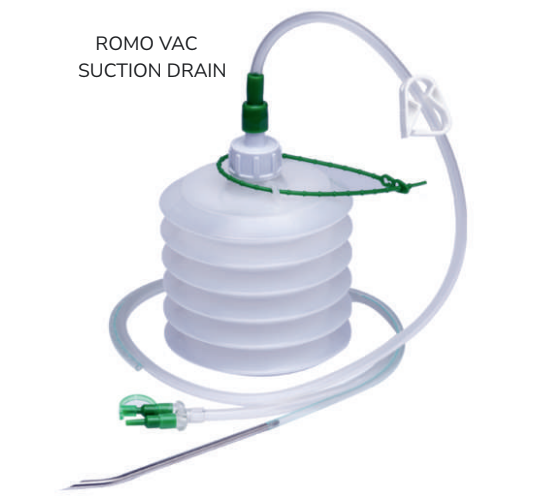
Romovac Suction Drain
Structure
It is a closed suction drain.
It has corrugations. When these corrugations are compressed, suction is created, and only then is the tubing attached.
Uses
Thyroidectomy
Mastectomy Flap & Reconstructive surgery
Jackson-Pratt Drain
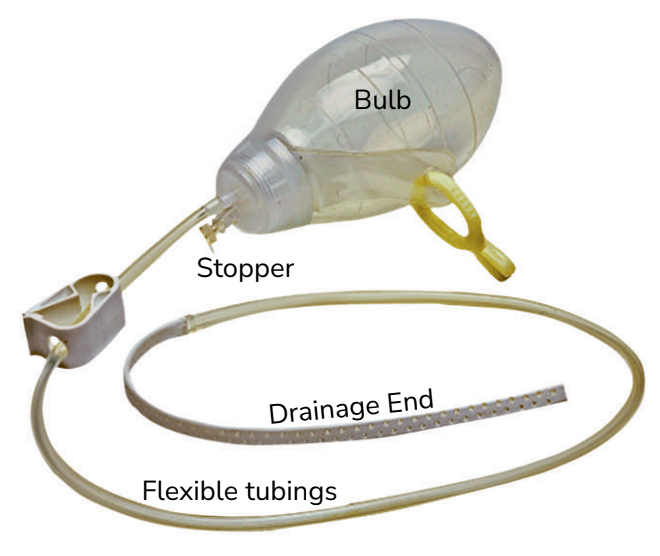
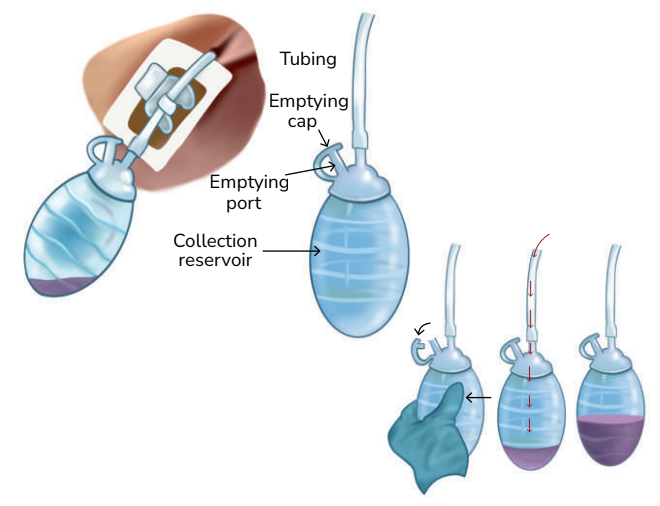
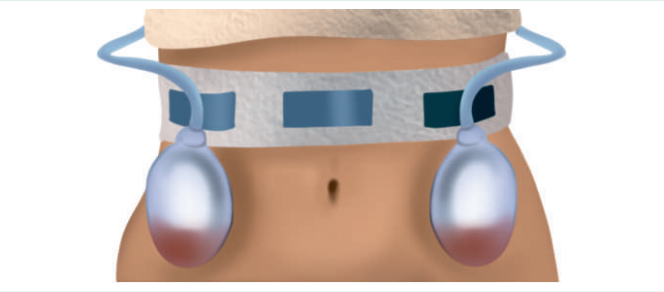
It is a closed suction drain.
The bulb is pressed to create the suction.
Parts include:
Grenade shape bulb
Stopper
Flexible tubing
Drainage end
Use: to collect body fluids in post-operative periods.
Ryle’s Nasogastric Tube

- This is a very commonly used equipment for an intern’s/doctor's life.
- This simple tube is life-saving in cases such as perforation and poisoning.
- The ideal position for inserting Ryle’s tube in a conscious patient: Sitting position with neck flexed.
- The ideal position in a comatose patient is a supine position with the neck flexed.
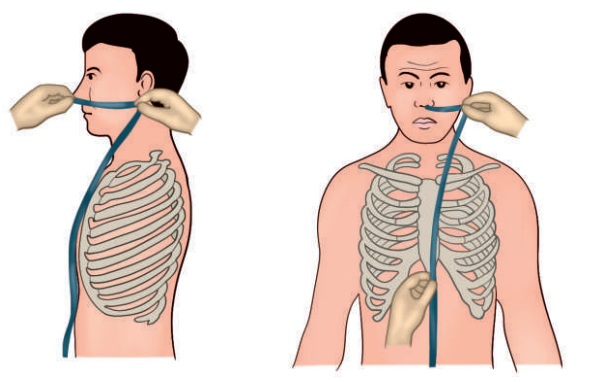
- The required length of Ryle's tube is measured from nose to ear to Xiphisternum.
- Various markings in Ryle's tube will tell you where it can reach the stomach:
- 40 cm- GE junction
- 50 cm- Body of stomach
- 60 cm- Pylorus
- 65 cm- Duodenum

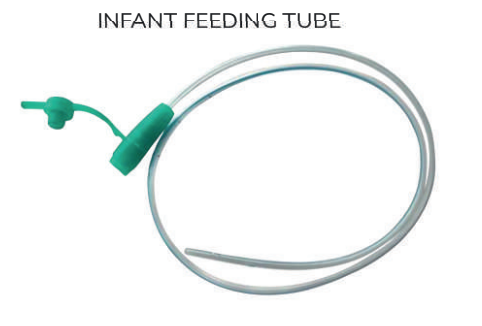
Infant Feeding Tube
Have no marking/shots It is shorter than Ryle’s tube.
Used in infants and children
Indications: Similar to Ryle's tube in infants, Children
Kehr's T-Tube

- They are used in bile duct surgeries, especially after Choledochotomy.
- There is a co-axial blood supply mainly from the inferior direction.
- Hence, we have to go for a longitudinal incision to perform a choledochotomy.
- After the incision, the T tube is inserted, and the repair is done.
- Here, the T-tube acts as a stent.
- On the 7th to 10th day, a T-tube cholangiogram is done in such patients.
- T-tube is retained for 4-6 weeks in the distal filling defect.
Sengstaken Blakmore Tube

- It is a double-balloon & Triple lumen tube.
- The most common complication during insertion is aspiration
- The airway should be protected by endotracheal intubation to avoid this complication.
- It is used to work like a tamponade.
- For the inflation of the balloon, only air is used as it is easy to inflate and deflate the balloon with air.
- The total amount of air used to inflate the gastric balloon is 300 ml
- Maximum pressure exerted by the oesophageal balloon: 35 to 40 mmHg (maximum)
- Beyond this pressure, the perfusion stops, and there is ischemia.
- Every 12 hours, the oesophageal balloon should be deflated.
Uses
- Used when variceal bleeding is not controlled by medicines alone.
- To control bleeding during transportation to a higher center.
Minnesota Tube

- They are used for esophagogastric tamponade therapy (hence, they control bleeding with compression and pressure).
- There are 2 balloons (gastric and oesophageal balloons) and 4 lumens.
- The 4 lumens include gastric balloon port, esophageal balloon port, gastric aspiration port, and oesophageal aspiration port (hence, aspiration can be done below the balloon and above the balloon).
- Aspiration can be done from the stomach and esophagus
- It helps in aspiration of the content below and above the balloon, so for esophagogastric tamponade therapy, the Minnesota tube is preferred over the Sengstaken tube.
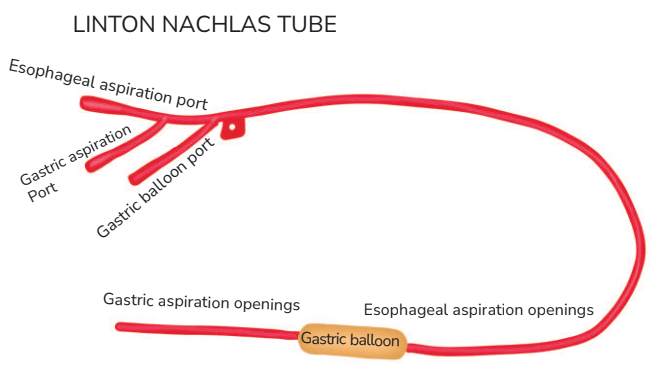
Linton Nachlas Tube
It has a single (gastric) balloon and 3 lumens.
The amount of air used to inflate the gastric balloon is 400-700 ml
Used for treatment of bleeding gastric varices.
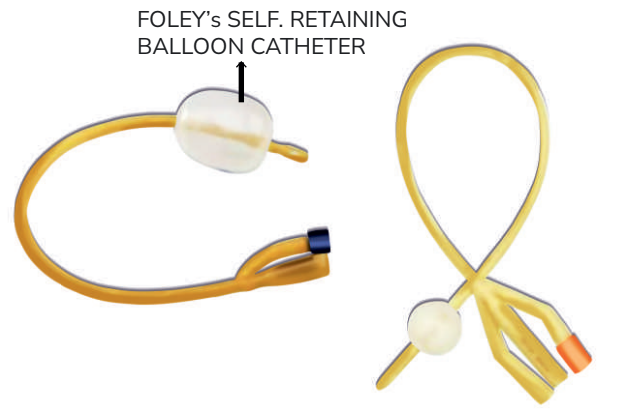
Foley's Self-Retaining Balloon Catheter
2-way Foley catheter:
Main channel: For drainage of urine
Small channel: For inflating balloon
3-way Foley catheter:
Main channel: for drainage of urine
- Made of LATEX - Less irritation & crust formation on prolonged use.
- Capacity of the balloon: 5-50 ml
- 10 ml saline is inflated in the balloon - For self-retaining
- 30-50 ml of saline is inflated in the balloon - For hemostatic compression effect:
- The balloon is inflated with 30 to 50 ml of saline.
- We pull the catheter and tape it to the inner aspect of the thigh.
- Outer diameter of catheter in mm = Fr/3 (Fr - French units)
- For example, if the size of the catheter is 18 French, then diameter = 18/3 = 6mm
Various Sizes of Catheters
- In Paediatric patients = 4, 6, 8, 10
- In Adults Patients = 12, 14, 16, 18
- The most commonly used size for males – 16 (orange in color)
- The most commonly used size for female - 14 (green in color)
- These can be remembered using a Mnemonic Grey White GORY Valentine Babe.

Colors of Foley’s Catheter
Uses of Foley’s Catheter
- To relieve urinary retention
- To measure urine output
- For administration of intravesical chemotherapy
- 3 ways catheter - for Irrigation after TURP
- It may be used for supra-pubic cystostomy
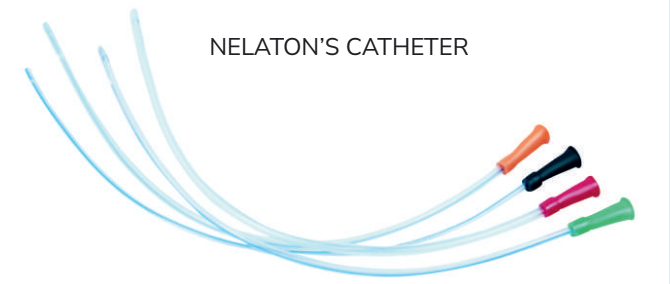
Nelaton's Catheter
Used for one-time emptying of the bladder during or after surgery
It is also used to determine the amount of urine in the bladder
Fogarty Embolectomy Catheter
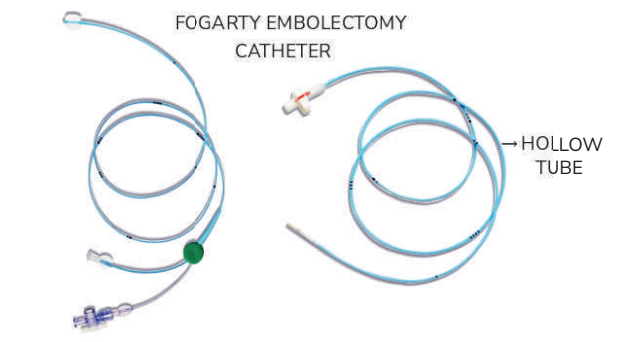
It is a hollow tube with a balloon at the tip.
It is used for embolectomy, as the name suggests.
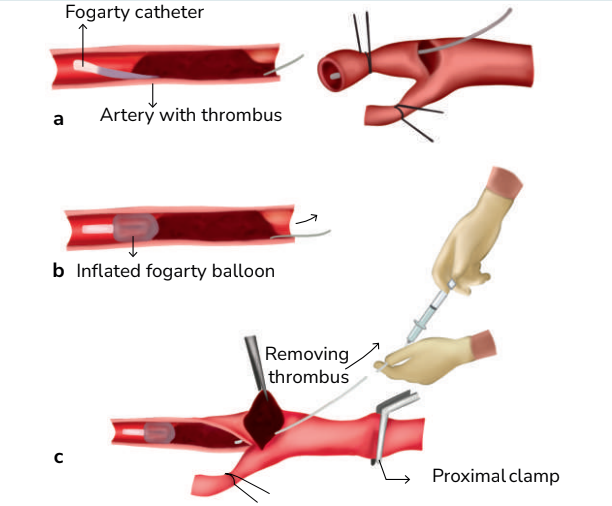
If a freshly formed embolus is present in any vessels, the catheter is inserted, and the balloon is inflated beyond the embolus before being removed.
It is inserted into the blood vessel through a clot and removed by inflating the balloon.
Malecot's Catheter
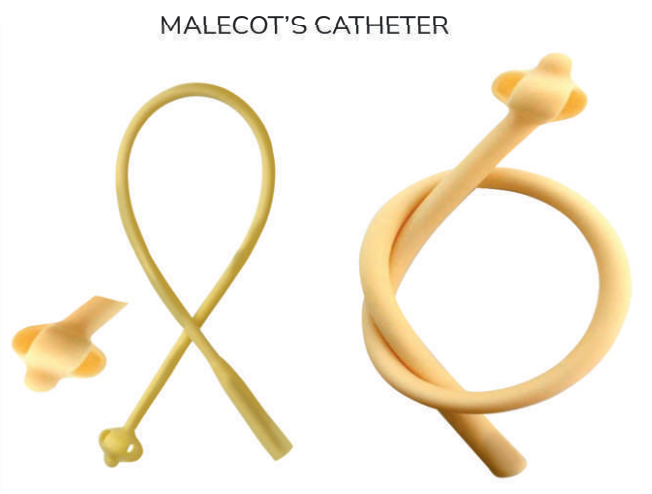
It is self-retaining
Has an umbrella/flower at the tip.
Uses
It is draining of urine from the bladder.
Draining of urine from the kidney via Percutaneous Nephrectomy
Drainage of intra-peritoneal collection
It is also used as an intercostal drain (ICP)
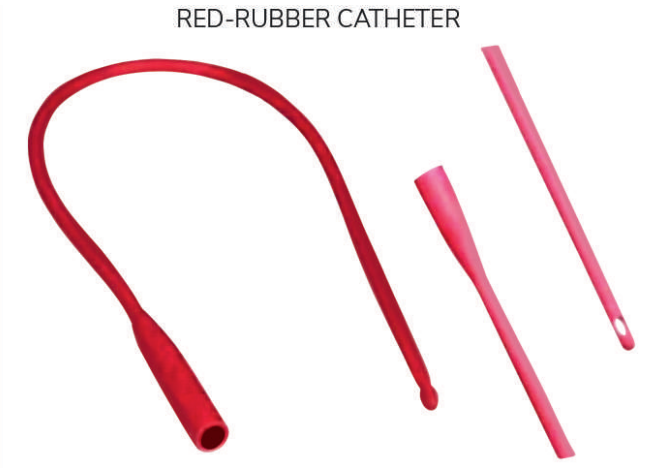
Red Rubber Catheter
Non-self-retaining urinary catheter (has no balloon)
Tip: rounded & blunt
Uses
Temporarily used to drain urine from the bladder
Used to estimate the residual urine
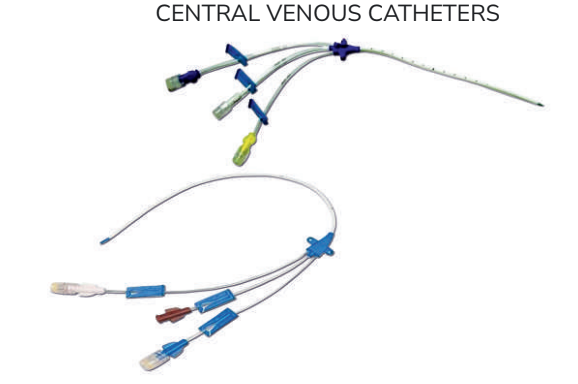
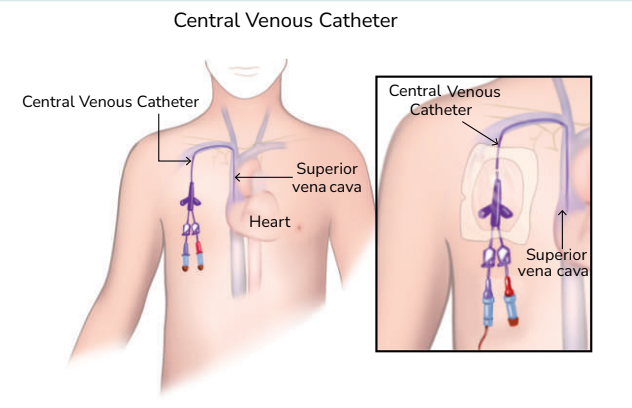
Central Venous Catheter
Uses: Fluid, medication, nutrition administration
The tip of the catheter is situated in the superior vena cava.
Preferred veins
Inside Operation Theatre(OT) — Internal jugular Vein Outside OT — Subclavian Vein
In acutely injured, critically ill patients: Femoral Vein Subclavian vein > Internal Juglar vein > Femoral vein: Order of preference.
Complication
The most common complication of CVC is catheter-related sepsis
The most dangerous complication is pneumothorax
Cannula

Color code Gauge Flow rate Indications Orange 14 240 ml/min Trauma and surgical procedures Grey 16 180 ml/min Trauma and surgical procedures Green 18 90 ml/min Trauma and quick blood transfusion Pink 20 60 ml/min IV fluids, blood transfusion Blue 22 36 ml/min Children/older adults Yellow 24 20 ml/min Neonates, children Violet 26 13 ml/min Neonates
- These can be remembered using the Mnemonic (for size) ORG. GREEN PINK BY VIOLET
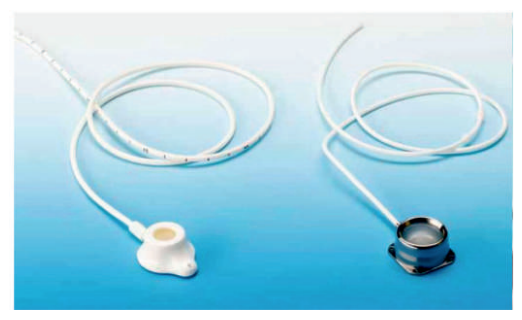
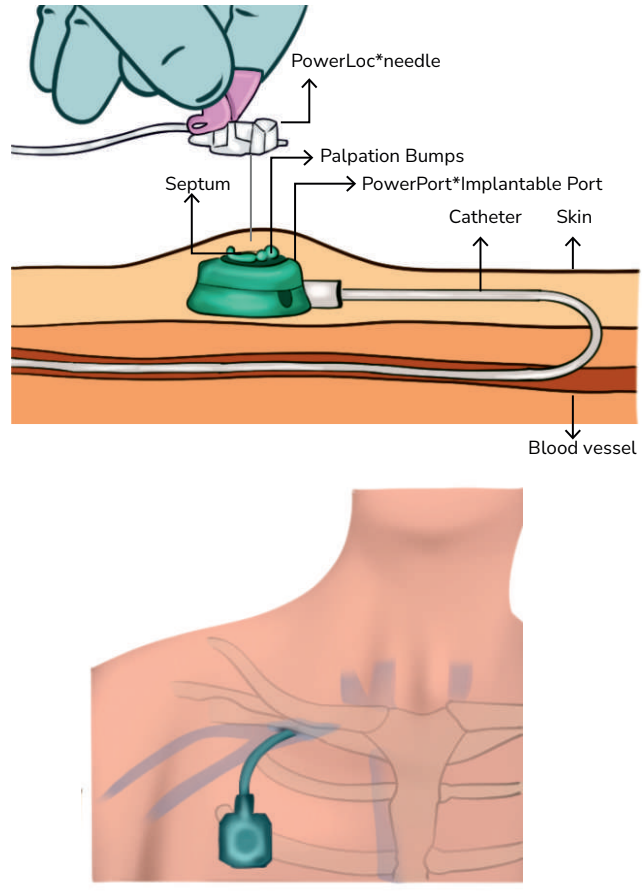
Chemoport
Implantable venous access device.
The veins used are the internal jugular vein and the subclavian vein.
It is used for chemotherapy administration, as the name suggests.
It is retained for 1 to 2 years.
In the chemoport, there are palpation pumps with which we can feel the presence of the septum.
The catheter is placed beneath the skin.
Complications associated with insertion and retention:
Catheter embolism
Port occlusion
Vascular thrombosis
Download the PrepLadder app now and unlock a 24-hour FREE trial of premium high-yield content. Access Video Lectures, digital notes, QBank, and Mock Tests for FREE to ace your NEET PG preparation. Elevate your study experience and gear up for success. Start your journey with PrepLadder today!

PrepLadder
Access all the necessary resources you need to succeed in your competitive exam preparation. Stay informed with the latest news and updates on the upcoming exam, enhance your exam preparation, and transform your dreams into a reality!
Navigate Quickly
100 Surgery One-Liners Every NEET PG Aspirant Must Know – Free PDF
Romovac Suction Drain
Jackson-Pratt Drain
Ryle’s Nasogastric Tube
Infant Feeding Tube
Kehr's T-Tube
Sengstaken Blakmore Tube
Uses
Minnesota Tube
Linton Nachlas Tube
Foley's Self-Retaining Balloon Catheter
Various Sizes of Catheters
Colors of Foley’s Catheter
Uses of Foley’s Catheter
Nelaton's Catheter
Fogarty Embolectomy Catheter
Malecot's Catheter
Red Rubber Catheter
Central Venous Catheter
Cannula
Chemoport
Top searching words
The most popular search terms used by aspirants
- NEET SS Surgery Preparation Plan