Polymorphic VT vs Torsades de Pointes: The NEET SS Masterclass
Dec 2, 2025
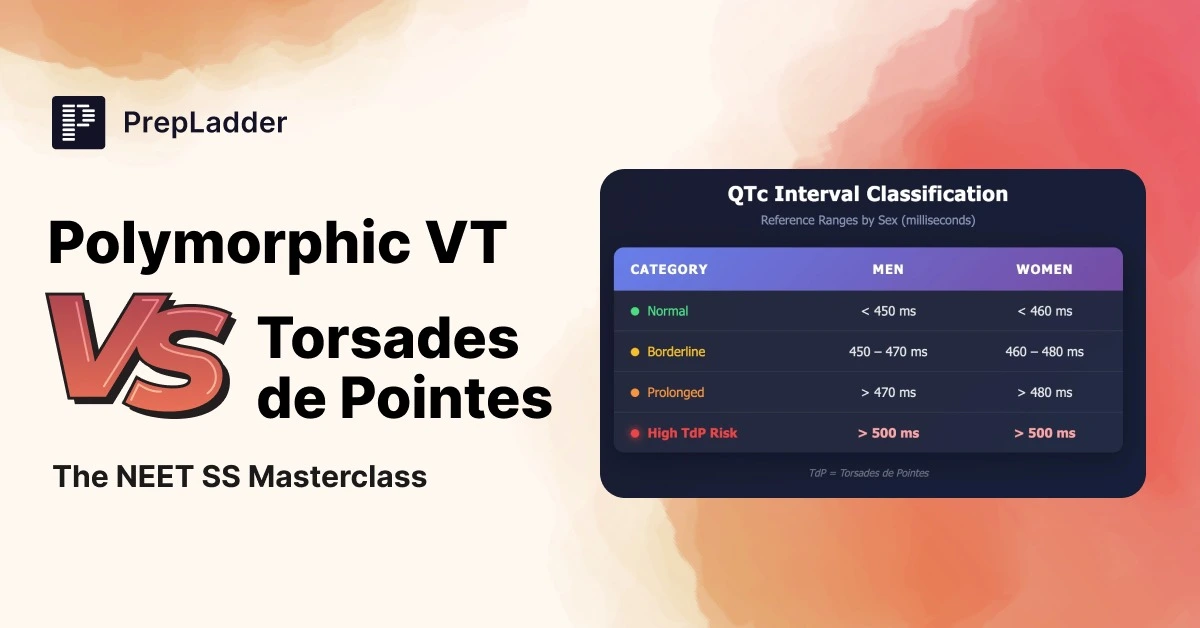
When do you see a polymorphic VT with a long QT interval? That's Torsades de Pointes (TdP). Your immediate move is IV Magnesium.
- Polymorphic VT with a normal QT indicates acute ischemia, but can also occur in CPVT, Brugada, short QT, myocarditis, or HCM.
- If the patient is unstable, then defibrillate immediately.
- Tx priority - Reperfusion, beta-blockers, electrolyte correction, and lidocaine
- Amiodarone is NOT first-line
- Crucial Warning: Giving Amiodarone for Torsades de Pointes is a dangerous mistake. It makes the underlying problem worse.
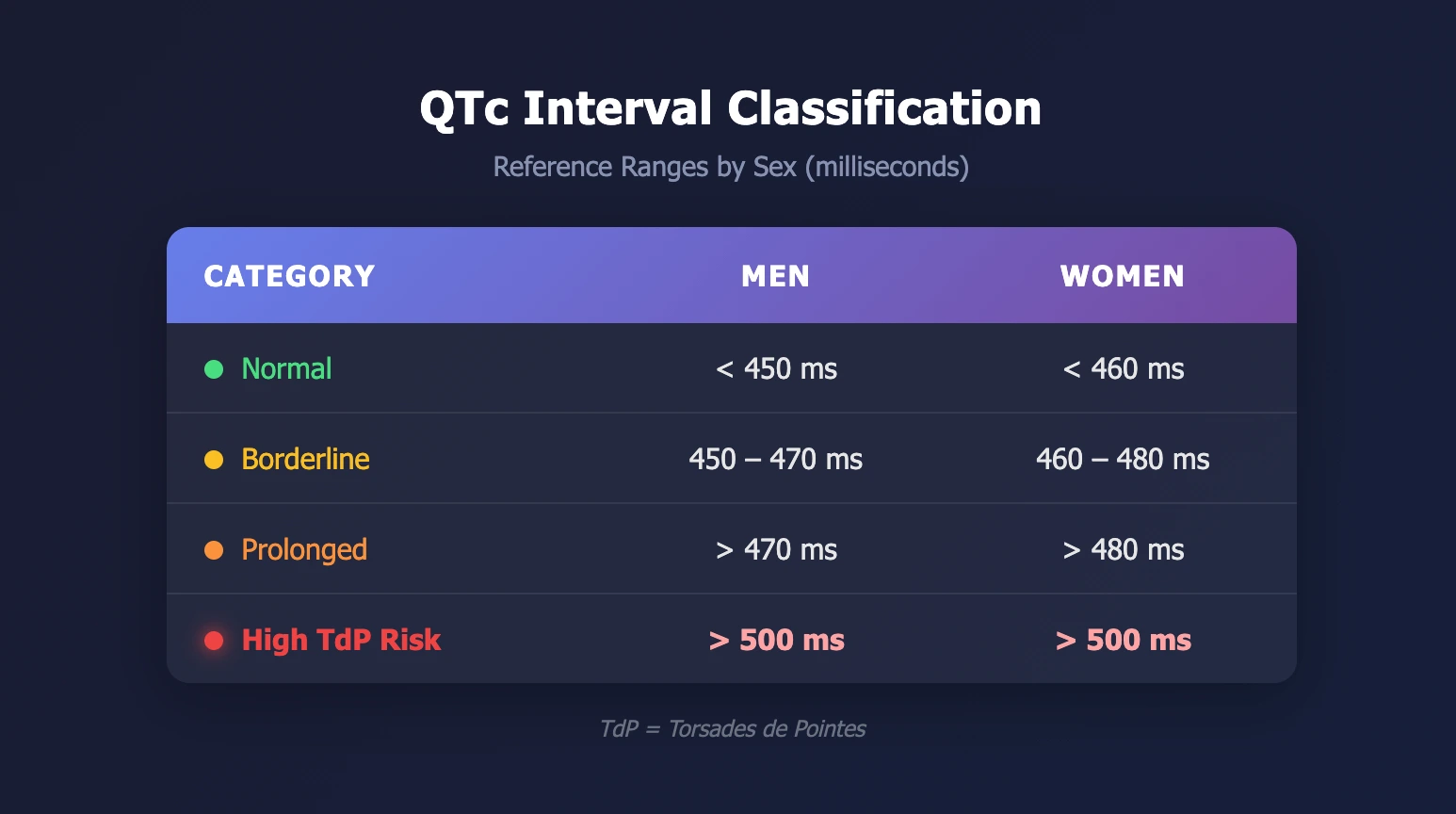
- A QTc interval greater than 500 ms is a serious warning sign of Torsades de Pointes. Magnesium sulfate is the first-line treatment -administer 2 g IV diluted and infused over 10–15 minutes (faster only if the patient is in cardiac arrest).
A Classic NEET SS Scenario
Picture this: A 52-year-old woman on ciprofloxacin for a UTI is found unconscious. The monitor shows a wild, broad-complex tachycardia at 240 bpm. The QRS complexes are twisting and turning, changing direction every few beats.
Push Amiodarone, it's VT! Exclaims a crash team member.
Wait, look at the QT! It may be Torsades! Opposes one another.
The beat spirals into VF during the hesitant time.
The sad reality? She may have been rescued by one of those procedures. The other would have hastened her deterioration.
It is not necessary for NEET SS to memorize another rhythm strip in order to comprehend polymorphic VT. It involves seeing a crucial fork in the road where you have seconds to make the right decision, since making the wrong choice might be fatal.
The Reasons This Topic Is a NEET SS Favorite
NEET SS Medicine frequently includes questions about polymorphic VT. The examiners want to know if you understand how crucial the QT interval is in determining the etiology, mechanism, and—most importantly—the course of treatment, not merely whether you can recognize the rhythm. Anticipate one or two inquiries per year, frequently related to a case of medication toxicity or acute coronary syndrome.
Dissecting Polymorphic Ventricular Tachycardia
Polymorphic Ventricular Tachycardia (PMVT) is a rapid heartbeat that starts in the ventricles. Unlike its relative Monomorphic VT, which has a consistent beat, PMVT has QRS complexes that are continually changing. From beat to beat, the size, shape, and electrical axis vary.
The key clinical realization is that polymorphic VT is not a single illness. There are two separate illnesses that appear the same on the monitor but require entirely different treatment approaches.
Also Read: Ischemic Heart Disease (IHD) for NEET SS: Complete Study Guide
The Crucial Distinction Between Ischemic PMVT and Torsades de Pointes
Torsades de Pointes (TdP): What is it?
Twisting of the points, in French, one particular kind of polymorphic VT that only happens when the QT interval has been prolonged is torsades de pointes.
The Mechanism Simplified:
A typical heartbeat can be compared to a flawlessly synchronized stadium wave. The repolarization is disorderly and delayed when there is a large QT interval because different segments of the crowd are sitting down at different times.
A premature ventricular complex, or early beat, is similar to someone attempting to start a new wave too soon. Because some parts are prepared while others are not, it breaks up in a disorganized manner. Torsades de Pointes is this chaos.
- Delayed repolarization (Long QT) is the main issue.
- Early Afterdepolarizations (EADs) are the trigger.
- Classic Start: Acquired TdP often begins with a long & brief sequence, that includes a PV after a pause
Ischemic polymorphic VT: What is it?
Multiple reentrant circuits in an unstable, ischemic myocardium cause ischemic polymorphic VT, which has a normal QT interval and is not caused by triggered activity. It is fundamentally distinct from the EAD-mediated process of Torsades.
This is typically seen in:
- Acute Myocardial Infarction
- Unstable Angina
- Acute Coronary Syndromes
This kind of polymorphic VT is a precursor to ventricular fibrillation and responds to correcting the heart's blood supply and defibrillation rather than magnesium.

The QT interval serves as your compass on your diagnostic road map.
When you notice polymorphic VT, use this mental algorithm:
1. Assess Stability: Is the patient in shock, hypotensive, or unconscious? Regardless of the type, be ready for rapid defibrillation if unstable.
2. As you get ready to shock, ascertain your QT status:
- Examine a pre-arrest ECG. What is QTc?
- Look for QT-prolonging medications in the list of prescriptions.
- Verify electrolytes (K⁺, Mg²⁺).
- Keep an eye out for symptoms of acute coronary syndrome, such as abnormalities in the ECG and chest pain.
3. Classify and Treat:
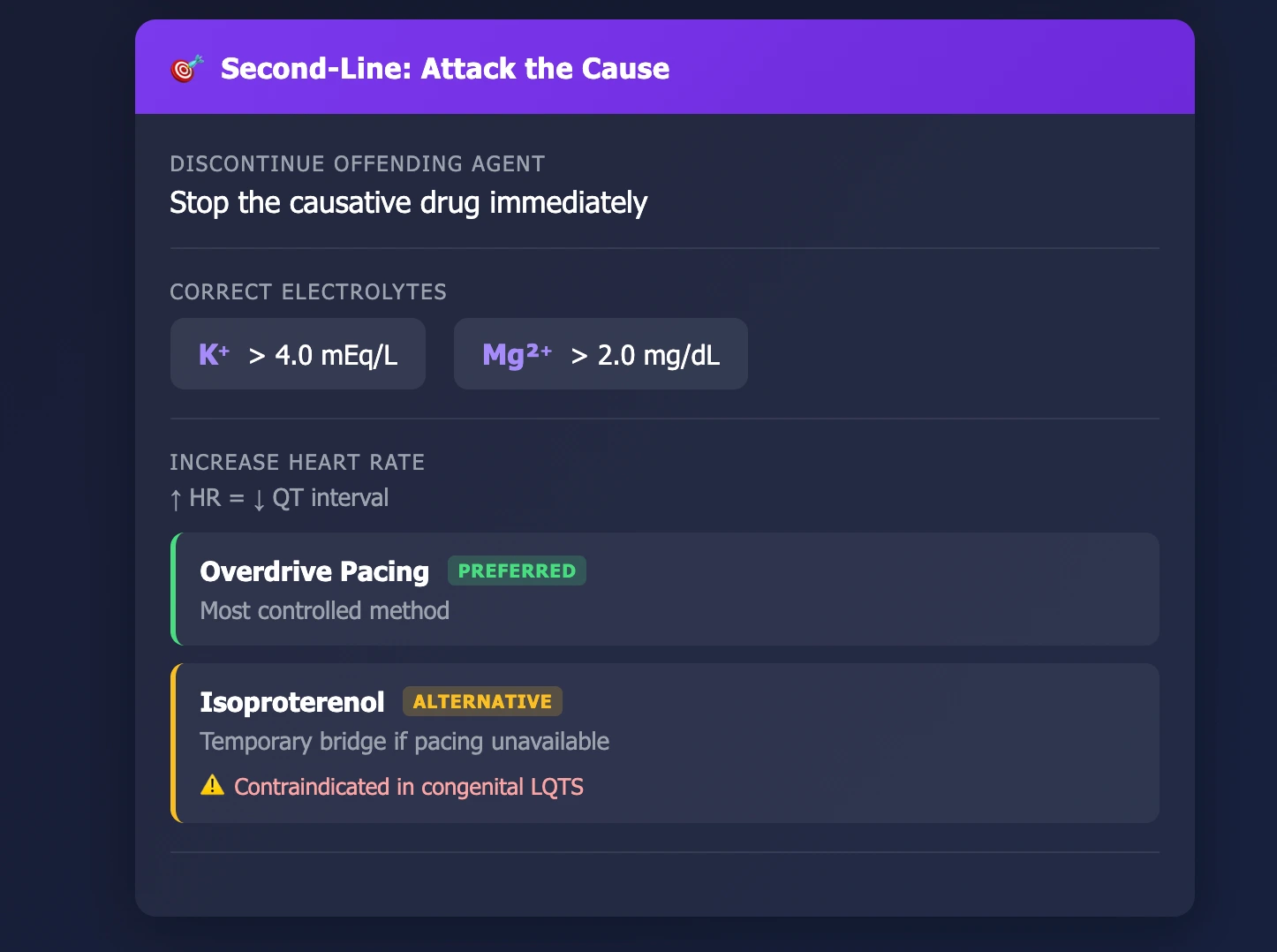
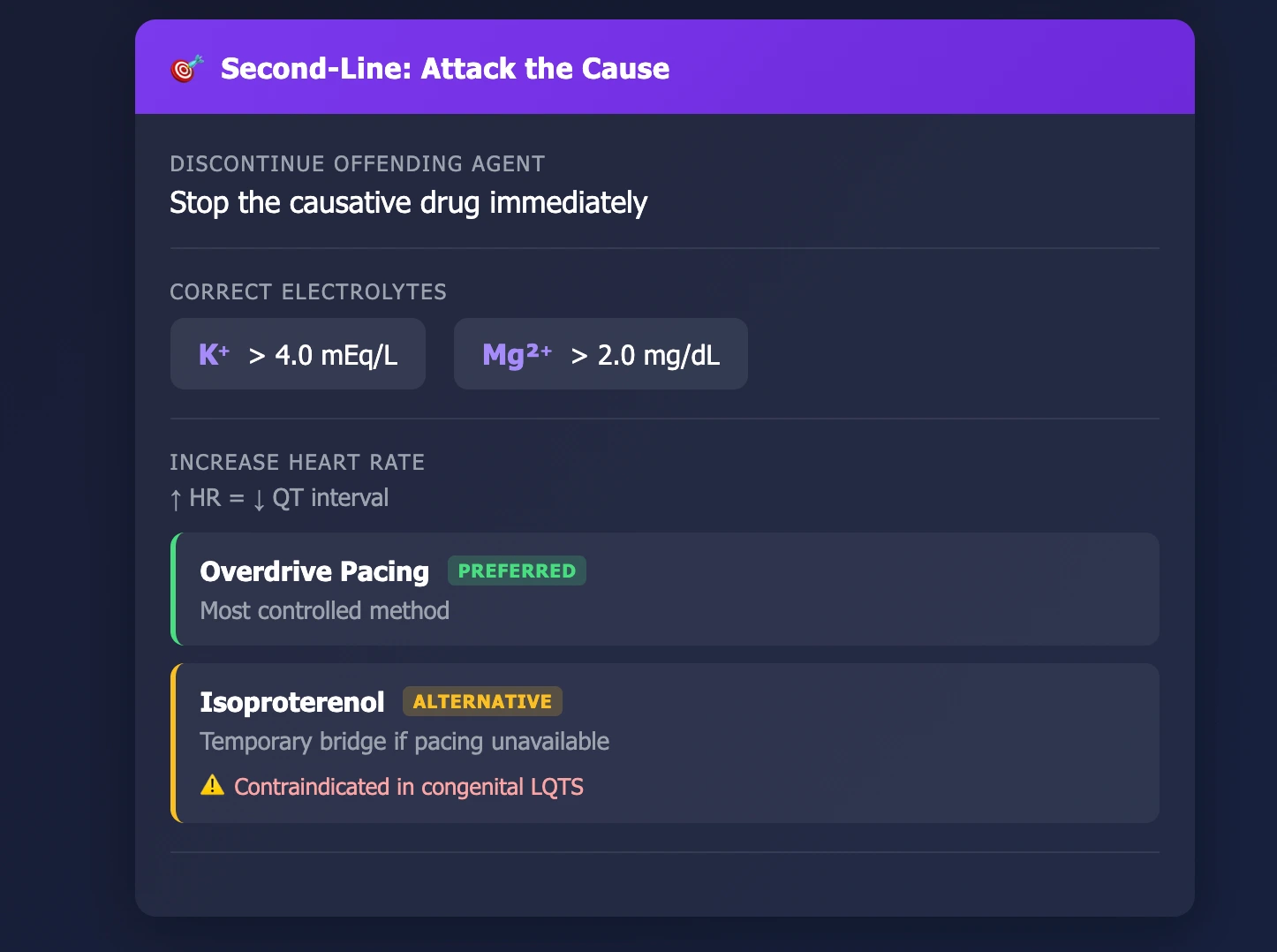
- Long QT → Torsades de Pointes → Correct electrolytes, eliminate the problematic medicine, and add magnesium.
- Ischemic PMVT => Normal QT + Ischemic context → Standard ACLS, Amiodarone, Revascularisation.
QTc Intervals You Must Know
Treatment Deep Dive
Torsades de Pointes: The Method Based on Evidence
First-Line: Magnesium Sulfate
What NOT to Give for Torsades
- The use of amiodarone is contraindicated. Blocking potassium channels prolongs the QT interval and may exacerbate the fire. This is a traditional high-yield exam trap.
High-Yield QT-Prolonging Medications
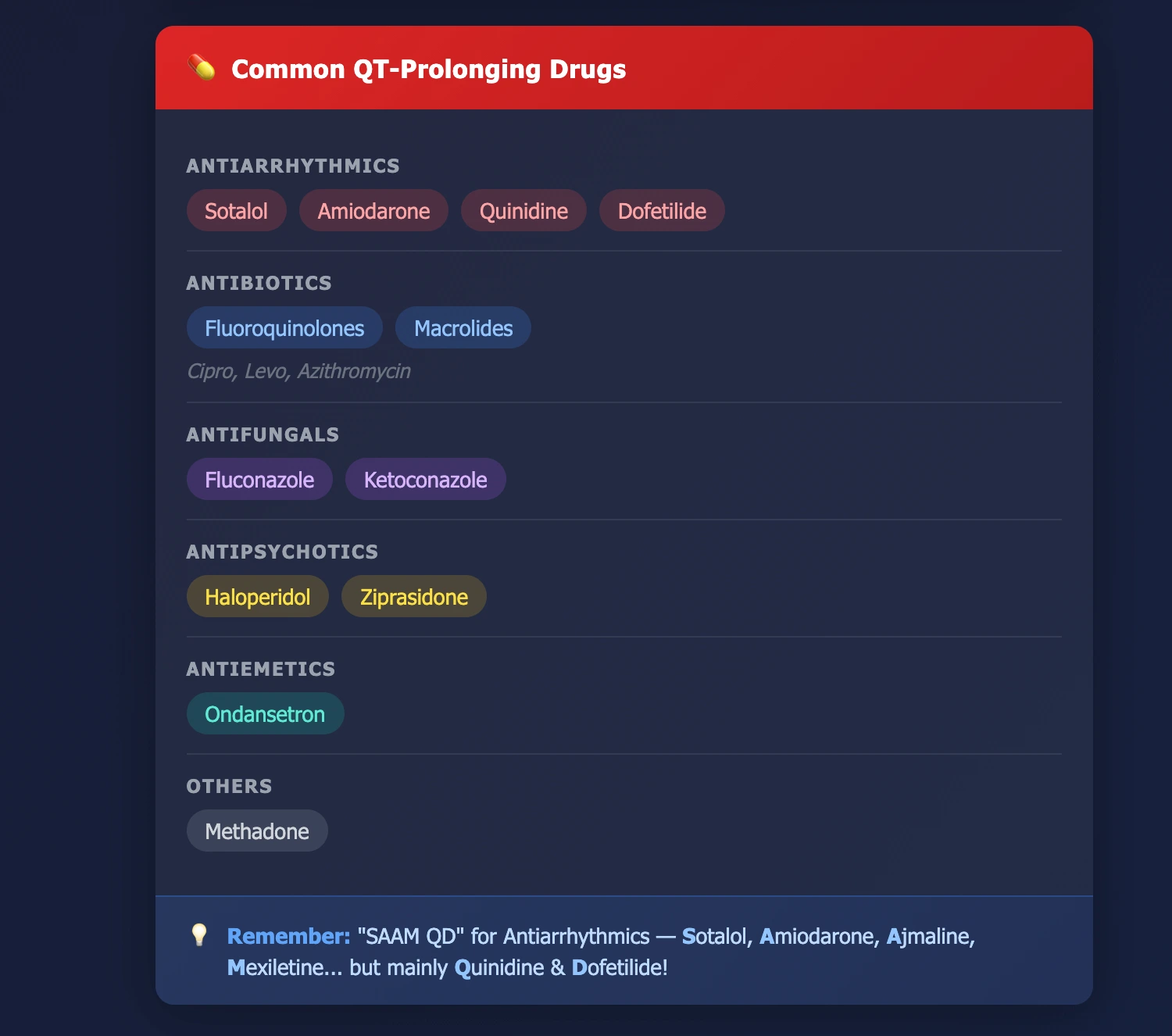
Pro Tip: Combinations enhance the risk. When a patient is already taking fluconazole, starting levofloxacin increases the risk of QT prolongation.
Also Read: Acute Meningitis: Etiology,Pathophysiology,Clinical Features
Ischemic Polymorphic VT Treatment
In the context of acute ischemia, polymorphic VT with a normal QT:
- For unstable rhythms, the ACLS protocol calls for immediate defibrillation.
- In this case, an IV dose of 150–300 mg of amiodarone, which is the opposite of TdP, is recommended.
- Urgent Revascularization: This is the final treatment. PCI for STEMI, early intervention for high-risk NSTEMI.
- Beta-blockers to lessen ischemia.
- Lidocaine is a second-line treatment that doesn't alter the QT interval.
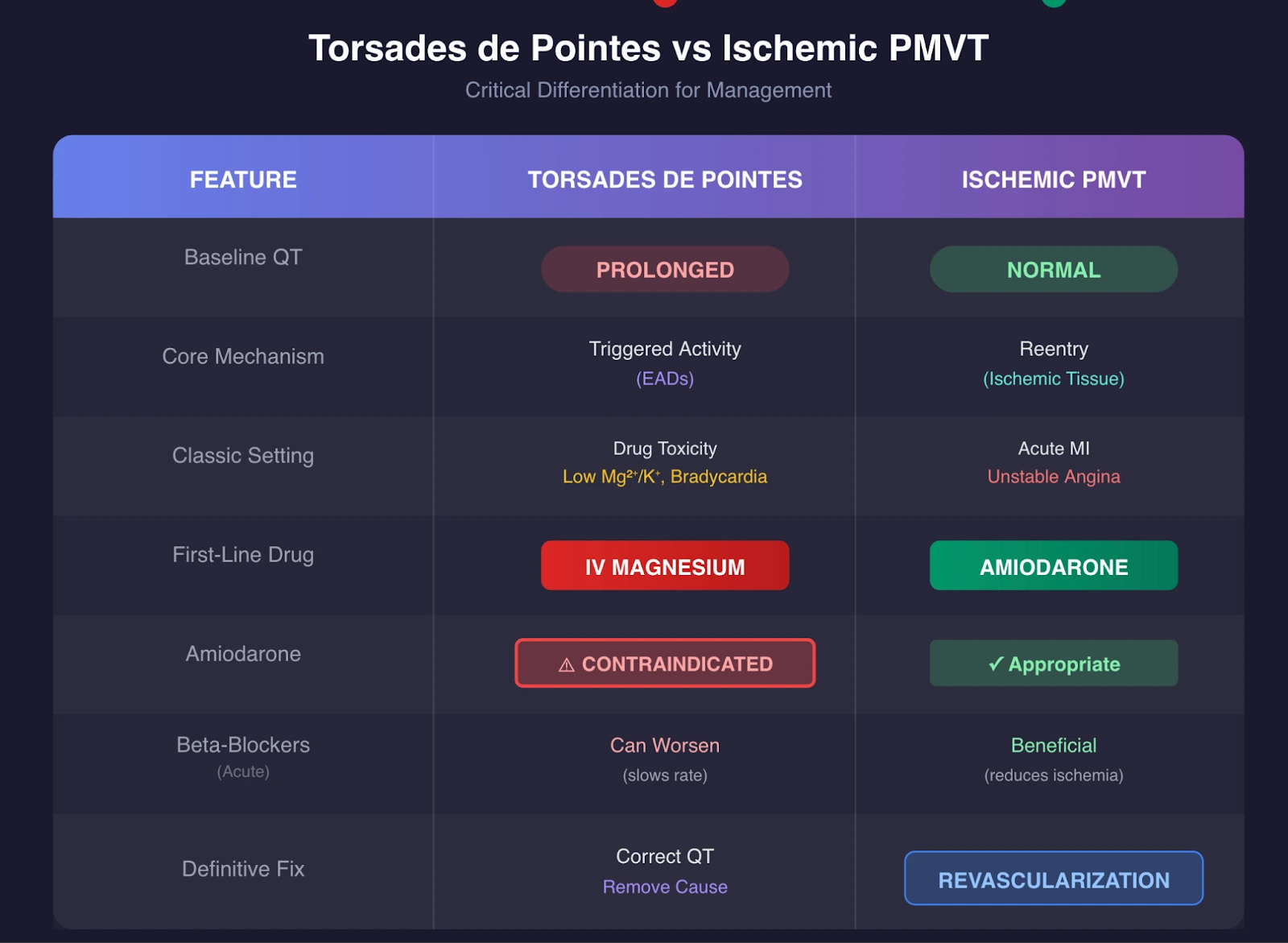
Rapid Fire Comparison Table
NEET SS One-Liners for Quick Recall
- Torsades = Long QT + Polymorphic VT. Use magnesium as a treatment.
- Polymorphic VT plus normal QT equals ischemia. Treat with revascularization and amiodarone.
- Amiodarone in Torsades is a fatal mistake. The QT is extended by it.
- A significant risk factor for Torsades is QTc > 500 ms; take preventative action.
- Increasing the heart rate helps decrease TdP by shortening the QT interval.
- Isoproterenol infusion or transient overdrive pacing can be utilized to boost the rate and stabilize the rhythm
- It is blood flow restoration, not magnesium, that is required for ischemic PMVT.
Common Exam Traps to Avoid
- The Amiodarone Reflex: Amiodarone is listed as an option, and polymorphic VT is described in the question. Ask, pausing, "What is the QT interval?
- Magnesium for Everything: Only TdP has been shown to benefit from magnesium. Its function in ischemic PMVT is unknown.
- Congenital vs. Acquired LQTS: Beta-blockers may be detrimental in acquired TdP by inducing bradycardia. They are the mainstay of long-term prevention for congenital LQTS.
- The Drug Cocktail: Keep an eye out for synergistic QT prolongation (e.g., antibiotic + antifungal).
The Clinical Pearl
What distinguishes a junior resident from a senior is the "Polymorphic VT" incomplete diagnosis. The rhythm strip alerts you to the presence of a fire. The QT interval indicates whether to use a CO2 extinguisher (for TdP) or water (for ischemic PMVT).
The fires are fueled by using the incorrect one. Establish a baseline QT before shocking or pushing any medication. Your entire resuscitation is redirected by that one measurement. There is no other arrhythmia that depends so heavily on a 50-millisecond measurement.
Also Read: Plasmapheresis- Techniques, Types, Complications And Indications
Hope you found this blog helpful for your E-learning for NEET SS Medicine. For more informative and interesting posts like these, keep reading PrepLadder’s blogs.
Download PrepLadder's best app for neet ss preparation for Android
Download PrepLadder's best app for neet ss preparation for ios

PrepLadder
Access all the necessary resources you need to succeed in your competitive exam preparation. Stay informed with the latest news and updates on the upcoming exam, enhance your exam preparation, and transform your dreams into a reality!
Navigate Quickly
The Reasons This Topic Is a NEET SS Favorite
Dissecting Polymorphic Ventricular Tachycardia
The Crucial Distinction Between Ischemic PMVT and Torsades de Pointes
The QT interval serves as your compass on your diagnostic road map.
Torsades de Pointes: The Method Based on Evidence
Ischemic Polymorphic VT Treatment
NEET SS One-Liners for Quick Recall
Common Exam Traps to Avoid
The Clinical Pearl
Top searching words
The most popular search terms used by aspirants
- NEET SS
- NEET SS Exam Preparation Strategy
- NEET SS Medicine
- NEET SS preparation