Important Anesthesia Questions for NEET PG/FMG Exam 2026
Dec 6, 2024

Being the most crucial topics for NEET PG and FMGE, Anaesthesia and emergency Medicine are make-or-break topics in these exams. Preparing for these subjects dedicatedly not only enhances your theoretical knowledge but also polishes your clinical skills for real-life scenarios.
We have curated a list of high-yield anaesthesia questions with detailed explanation to help you excel. All these questions are designed to focus on concepts frequently tested in medical entrance exams.
Whether it’s understanding the intricacies of the Mallampati classification or identifying the tell-tale signs of bronchospasms in capnography, this guide ensures you’re well-prepared.
Q1. A 60-year-old male patient presents to the emergency department with palpitations and shortness of breath. Upon assessment, he is found to have narrow-complex tachycardia at a rate of 180 beats per minute. He reports no chest pain or hypotension. What is the most appropriate initial management for this stable patient?
- Synchronised cardioversion
- Administration of amiodarone
- Administration of adenosine
- Observation and reassurance
Answer: C) Administration of adenosine
Explanation:
Administration of adenosine because it is the first-line treatment for stable, narrow-complex tachycardia. Adenosine acts quickly to potentially terminate the arrhythmia by interrupting the reentrant pathways, making it the most appropriate choice in this scenario.
Adult Tachycardia Algorithm
- Management follows the Advanced Cardiac Life Support (ACLS) guidelines.
- Treatment decisions depend on patient stability and tachycardia characteristics.
Also read: Spinal headaches: Causes, Symptoms, Risk Factors, Diagnosis and Treatment
Q2. A 45-year-old male presents for a preoperative evaluation before a scheduled elective surgery. During the airway assessment, the base of the uvula is visible, with the soft palate and hard palate clearly seen. Based on this finding, which Mallampati classification is most appropriate for this patient?
- Class I
- Class II
- Class III
- Class I or II
Answer: B) Class II
Explanation
The scenario is suggestive of Class II of the Mallampati classification as the base of the uvula, soft palate, and hard palate are visualized on airway assessment.
The Mallampati classification is used to predict the ease of intubation based on the visibility of pharyngeal structures during mouth opening and tongue protrusion.

Also read: Pre-Anesthetic Checkup (PAC)
Q3. What are the two active ingredients in EMLA cream?
- 2.5% Lidocaine and 2.5% procaine
- 3.5% Prilocaine and 3.5% tetracaine
- 2.5% Lidocaine and 2.5% prilocaine
- 4.5% Bupivacaine and 4.5% lidocaine
Answer: C) 2.5% Lidocaine and 2.5%prilocaine
Explanation:
EMLA cream contains a eutectic mixture of 2.5% lidocaine and 2.5% prilocaine, which work together to provide local anaesthesia.
EMLA Cream: Eutectic Mixture of Local Anesthetics cream is a topical anaesthetic used to numb the skin before medical procedures.
| Active Ingredients | Contains 2.5% lidocaine and 2.5% prilocaine |
| Mechanism of Action | It works by blocking sodium channels in the nerve membranes, preventing nerve impulse transmission, and resulting in localized anesthesia. |
| Common Uses | Primarily used for - Venipuncture (insertion of IV lines) - Minor surgical procedures - Dermatological procedures - Numbing before vaccinations |
| Onset of Action | It takes approximately 20-30 minutes to achieve adequate anesthesia when appropriately applied. |
| Age Considerations | Generally safe for use in adults and children over 3 months old |
| Contraindications | It should not be applied to broken, inflamed, or infected skin.Caution in patients with a history of hypersensitivity to local anaesthetics. |
| Side Effects | Common side effects may include skin irritation, redness, or erythema at the application site. |
Also read: NEET PG High Yield Questions for Anesthesiology
Q4. A 62-year-old male with asthma presents to the emergency department with worsening shortness of breath and wheezing. He is placed on supplemental oxygen and bronchodilators.
What is the most likely Capnographic waveform for this patient?
A.

B.

C.

D.

Answer: C) Option C
Explanation:
- The capnographic waveform shows a characteristic shark fin appearance.
- This occurs in Bronchospasms (asthma, COPD exacerbation), partially obstructed ET tubes, or breathing circuit
Q5. A 52-year-old male is scheduled for a prostatectomy under regional anaesthesia. The anesthesiologist decides to perform epidural anaesthesia for postoperative pain control. Which of the following needles is typically used for administering epidural anaesthesia?
Options
-
-
-
-
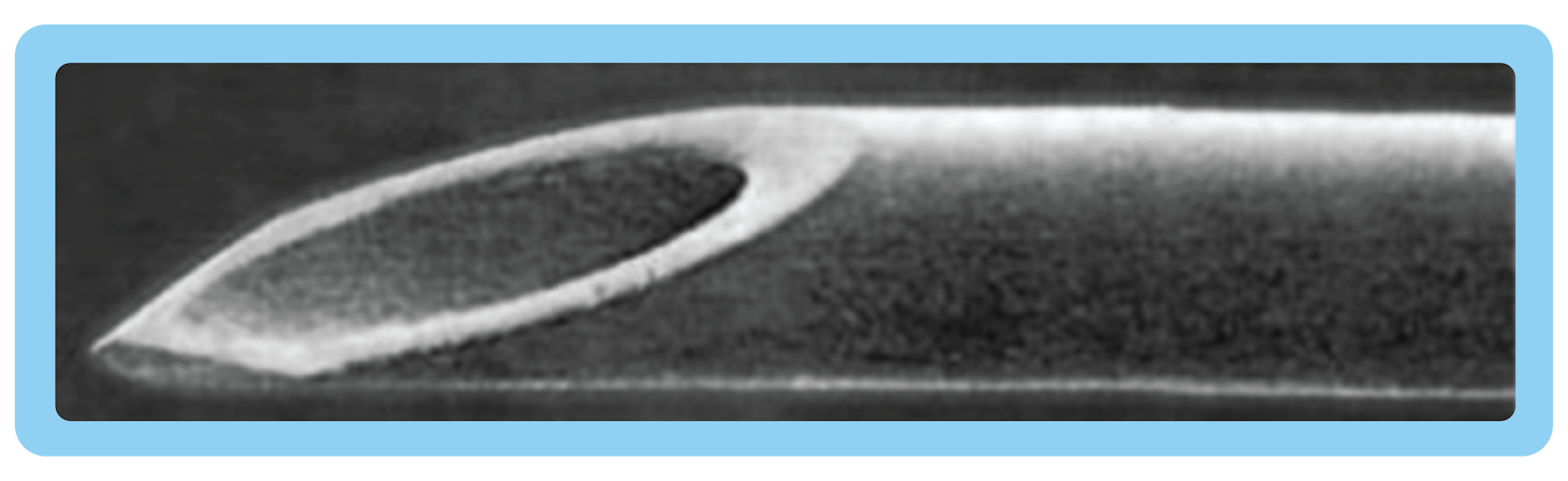
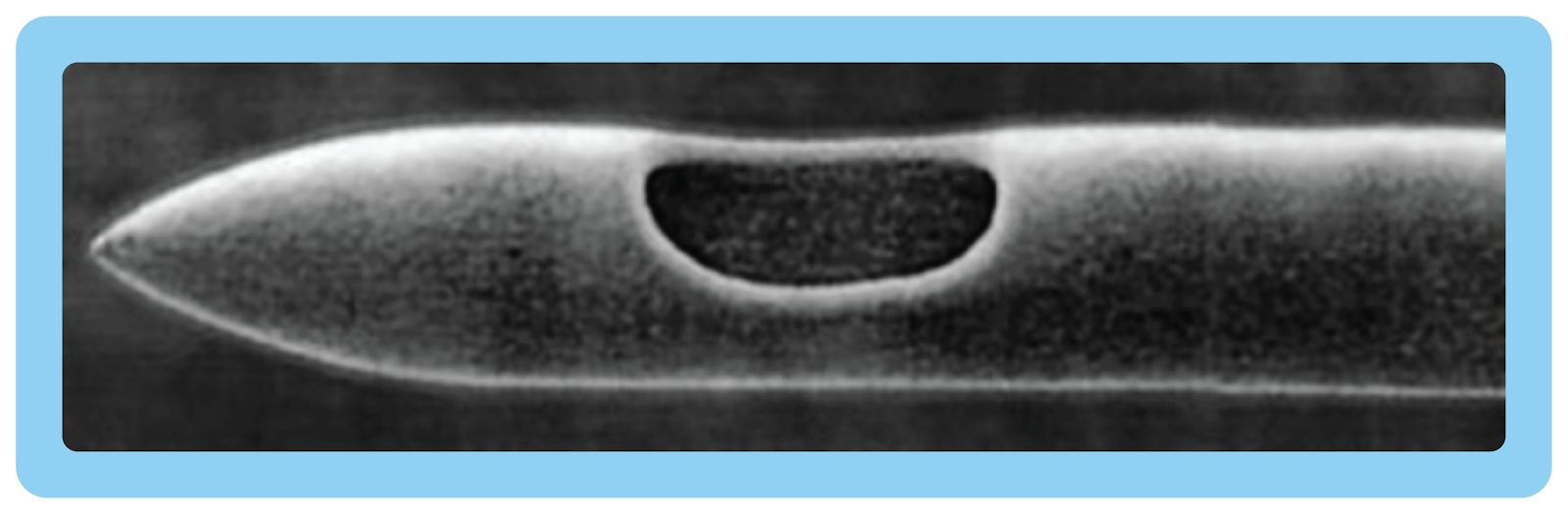
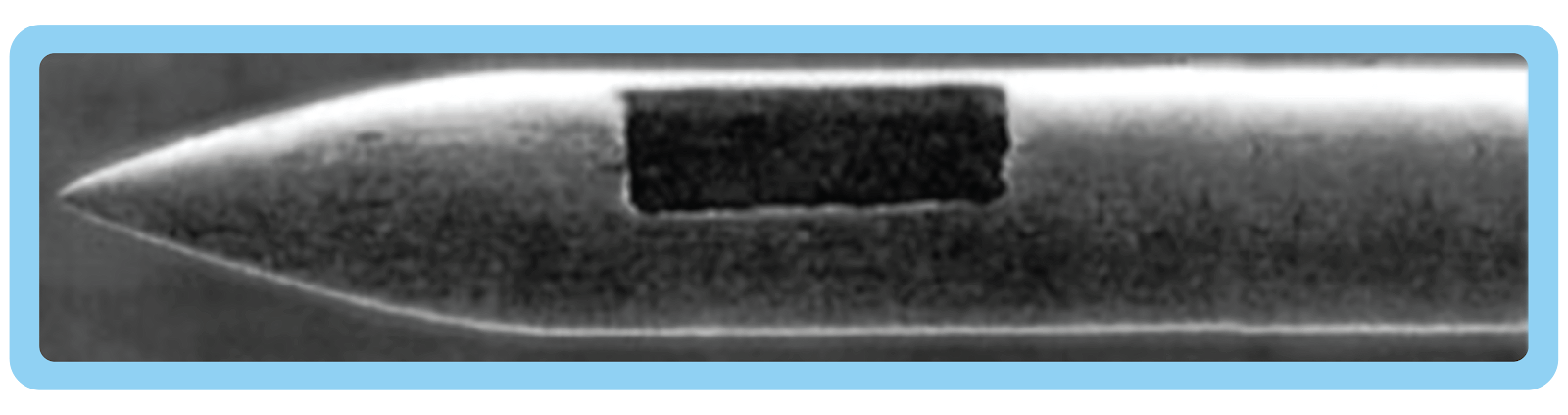
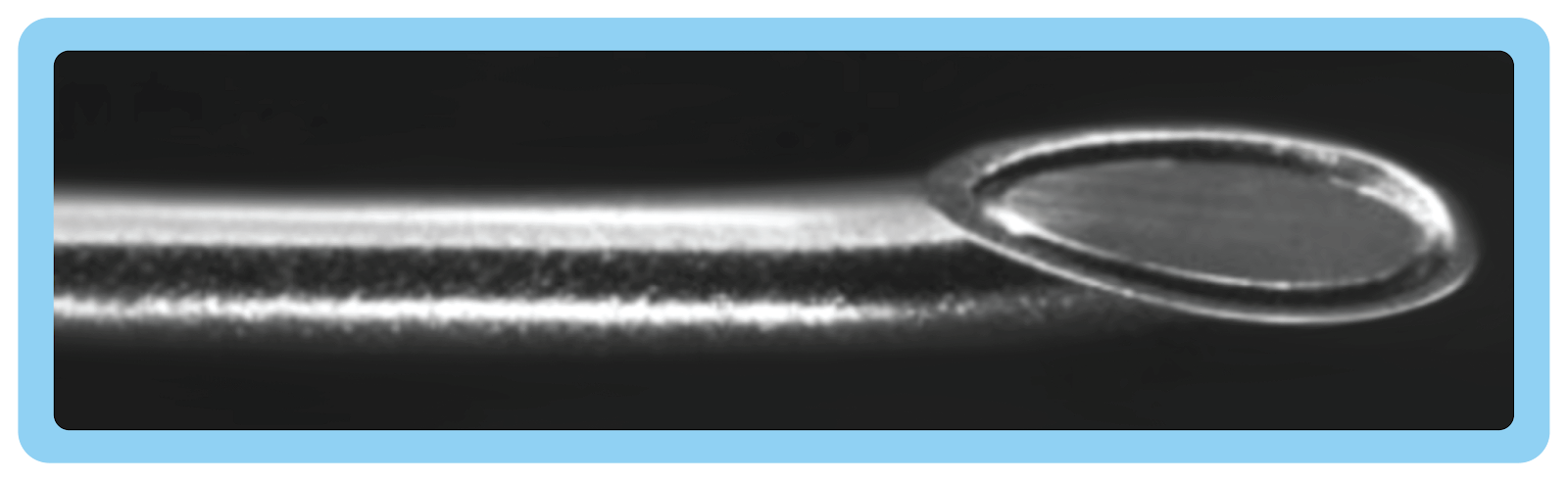
Answer: 4)

Explanation:
The needle depicted in the image is a Tuohy needle (Option D), which is preferred for epidural anaesthesia. This involves delivering local anaesthetic into the epidural space, typically with the insertion of a catheter to extend the duration of pain relief.
Tuohy Epidural Needle
A thick-bore needle is used in epidural anesthesia (to minimise damage to the dura and facilitate the insertion of the epidural catheter). On reaching the epidural space, the guidewire is removed, and the catheter is then placed. The needle has alternating dark and light bands at 1 cm intervals to aid in depth measurement during insertion.
Also read: Mechanical Ventilation: Uses, Procedure, Benefits and Risk Factors
Sign up to our PrepLadder app today to learn more about this. Access Video Lectures, digital notes, QBank, and Mock Tests for FREE to ace your NEET PG Anesthesia Preparation. Elevate your study experience and gear up for success. Start your journey with PrepLadder today!

PrepLadder Medical
Get access to all the essential resources required to ace your medical exam Preparation. Stay updated with the latest news and developments in the medical exam, improve your Medical Exam preparation, and turn your dreams into a reality!
Top searching words
The most popular search terms used by aspirants
- Anesthesia Questions for NEET PG
- NEET PG Anesthesia