Tinea Versicolor: Causes, Symptoms, Risk Factors, Diagnosis & Treatment
Aug 8, 2023

The fungus condition tinea versicolor is typically associated with skin discoloration. White, yellow, red, pink, or brown patches of skin may appear on tinea versicolor patients.
The cause of the problem is an overgrowth of a type of yeast (fungus) that is normally prevalent on your skin. Tinea versicolor may become more severe in the presence of sunlight, sweltering heat, and humidity.
It is not harmful or contagious, despite the fact that it can occasionally be a little itchy. On the upper chest, back, and shoulders, tinea versicolor frequently manifests.
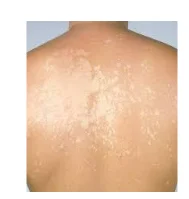
To treat the condition, doctors give patients oral or topically applied antifungal medications. It's not necessary to have a prescription to buy some medicines. Following the treatment, the majority of people with tinea versicolor recover fully. Tinea versicolor also known as Pityriasis Versicolor.

Causes Of Tinea Versicolor
Malassezia-genus fungi's mycelial development is what leads to pityriasis versicolor.
The normal skin microbiota, or group of bacteria that live on normal skin, includes malassezia. Lipid is necessary for their survival. Malassezia has been classified into 14 distinct species. The most frequently grown species from P. versicolor are M. globosa, M. restricta, and M. sympodialis.
In the seborrheic areas (scalp, face, and chest), Malassezia typically grows sparsely without producing a rash. It is unknown why they sporadically proliferate more vigorously on the skin's surface to produce pityriasis versicolor. A tryptophan-dependent metabolic pathway is one hypothesis.
The yeasts make basal melanocytes' melanosomes (pigment granules) larger in cases of brown pityriasis versicolor.
Scrapings from this type of pityriasis versicolor make it simpler to show the presence of yeasts than scrapings from the white variety.
The Malassezia-produced chemical is assumed to be the cause of the white or hypopigmented form of pityriasis versicolor because it diffuses into the epidermis and interferes with the melanocytes' ability to create pigment.
The pink variety of pityriasis versicolor has minor dermatitis brought on by Malassezia or its byproducts.
Symptoms Of Tinea Versicolor
The most obvious sign of tinea versicolor is discolored patches of skin, which most frequently appear on the arms, chest, neck, or back. These patches could be:
Dry, itchy, and scaly skin that is more noticeable and more likely to be absent from tanning in cooler, less humid conditions. Skin that is lighter (more common) or darker than the surrounding skin that is pink, red, tan, or brown.
People with dark skin who acquire tinea versicolor may experience hypopigmentation or a loss of skin color. Some people may experience skin darkening rather than whitening which is known as Hyperpigmentation.
Some people who have tinea versicolor don't notice any noticeable changes to their skin tone or look.
You can suffer itchy skin in addition to alterations in the color of your skin.
Similar conditions
Some illnesses with overlapping symptoms, like vitiligo, are frequently confused with tinea versicolor. Vitiligo, however, can be distinguished from tinea versicolor in a number of obvious ways, including:
- Skin texture is unaffected by vitiligo.
- Typically, vitiligo affects the mouth, eyes, groin, wrists, armpits, and fingers.
- Patches of vitiligo frequently take the form of symmetrical patterns.
- The rash brought on by pityriasis rosea is comparable to tinea versicolor, but it typically comes with a "herald patch," a solitary red patch of scaly skin that emerges a few days or weeks beforehand. On the back, this rash frequently takes the form of a Christmas tree. What causes this condition is unknown. However, it is not communicable nor dangerous similar to tinea versicolor.

Risk Factors Of Tinea Versicolor
Your risk for this disorder may increase due to a number of environmental and biological variables, such as:
- A history of tinea versicolor in the family
- Excessive perspiration
- A warm, humid environment
- A weakened immune system
- Use of immuno-suppressing drugs
- Some types of cancer
Diagnosis Of Tinea Versicolor
A clinical diagnosis of pityriasis versicolor is typical. The tests listed below might be beneficial.
- Examination with a wood lamp under a black light may reveal patches of yellow-green fluorescence.

- Pallor, a background faint pigment network, and scales can be seen on a dermoscopy with pityriasis versicolor.
- Using potassium hydroxide (KOH) to remove skin cells, a skin scraping is viewed under a microscope. — spaghetti and meatball-like yeast cells and hyphae.
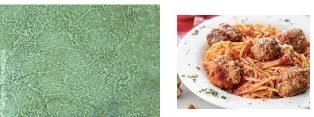
- Fungal culture – this is typically claimed to be inconclusive because it is very difficult to get the yeasts to grow in a lab environment.
- Histopathology of a skin sample reveals the presence of fungi in the stratum corneum, the skin's outer cells. There can be a need for special staining.

Treatment Of Tinea Versicolor
Topical Treatment
Topical antifungal medications are used to treat mild pityriasis versicolor such as:
- Shampoo containing selenium sulfide
- Topical azole creams and shampoos (econazole, ketoconazole)
- Gel terbinafine
- From the jawline down, the medication should be liberally applied to the skin. It should then sit on the skin for five to fifteen minutes before being thoroughly rinsed off in the shower. This should be done every day for a week, then once a week for a month.
Systemic Treatment
Itraconazole and fluconazole, two oral antifungal medications, are used to treat pityriasis versicolor when the disease is severe or when topical medications have failed.
An hour after taking the medication, you might benefit from a strong workout to help you sweat it onto your skin's surface, where it can remove the yeast in an efficient manner. For a few hours, you should refrain from taking a bath.
Many cases of pityriasis can be permanently resolved, or at least controlled, with a few days of treatment.
For yeast infections like pityriasis versicolor, oral terbinafine, an antifungal drug used to treat dermatophyte infections, is ineffective.
Prevention Of Tinea Versicolor
Your doctor may recommend a once- or twice-monthly cutaneous or oral therapy to help prevent tinea versicolor from reoccurring. These may only be necessary to use during the hot, humid months. Preventive measures include:
- Lotion or shampoo containing 2.5 percent selenium sulfide (Selsun)
- Cream, gel, or shampoo containing ketoconazole (also known as Nizoral or Ketoconazole)
- Itraconazole (Onmel, Sporanox) pills, capsules, or oral solution
- Fluconazole (Diflucan) pills or an oral solution
Download the PrepLadder App and get the best neet pg online coaching with world-class video lectures, QBank, Mock Tests and more!
Download PrepLadder's best app for neet pg preparation for Android
Download PrepLadder's best app for neet pg preparation for ios

PrepLadder Medical
Get access to all the essential resources required to ace your medical exam Preparation. Stay updated with the latest news and developments in the medical exam, improve your Medical Exam preparation, and turn your dreams into a reality!
Navigate Quickly
Causes Of Tinea Versicolor
Symptoms Of Tinea Versicolor
Similar conditions
Risk Factors Of Tinea Versicolor
Diagnosis Of Tinea Versicolor
Treatment Of Tinea Versicolor
Topical Treatment
Systemic Treatment
Prevention Of Tinea Versicolor
Top searching words
The most popular search terms used by aspirants
- Medical PG Dermatology
- NEET PG Dermatology