NEET SS Paediatrics 2026: Important Topics & Frequently Asked Questions
Apr 12, 2026
A 6-month-old infant comes to the ER with recurrent pneumonia, trouble gaining weight, and a sweat chloride level of 72 mEq/L. The chest X-ray shows hyperinflation with peribronchial thickening.
If you think about the CFTR gene, cystic fibrosis, and autosomal recessive inheritance, you’re ahead of the game. If not, it’s time to revise.
NEET SS Paediatrics loves these kinds of real-world scenarios, and you’ll see them again and again.
- NEET SS Paediatrics is a national-level entrance exam for DM and DrNB pediatric subspecialties, run by the NBEMS.
- For the 2026 Exam, don’t ignore high-yield areas like Neonatology, Pediatric Cardiology, Neurology, Nephrology, and Inborn Errors of Metabolism.
- And the most important thing is that the exam isn’t about memorising facts. It’s about thinking clinically and knowing how to diagnose, reason, and manage real patients.

NEET SS 2026 IN PEDIATRIC TESTING - REASONS IT'S RELEVANT
- Basically, it’s an entrance exam organised by NBEMS (under Section 61(2) of the National Medical Commission Act, 2019), admitting you into DM, MCh, and DrNB super-specialty pediatric courses across India.
- If you have an MD or DNB in Pediatrics, you’re eligible.
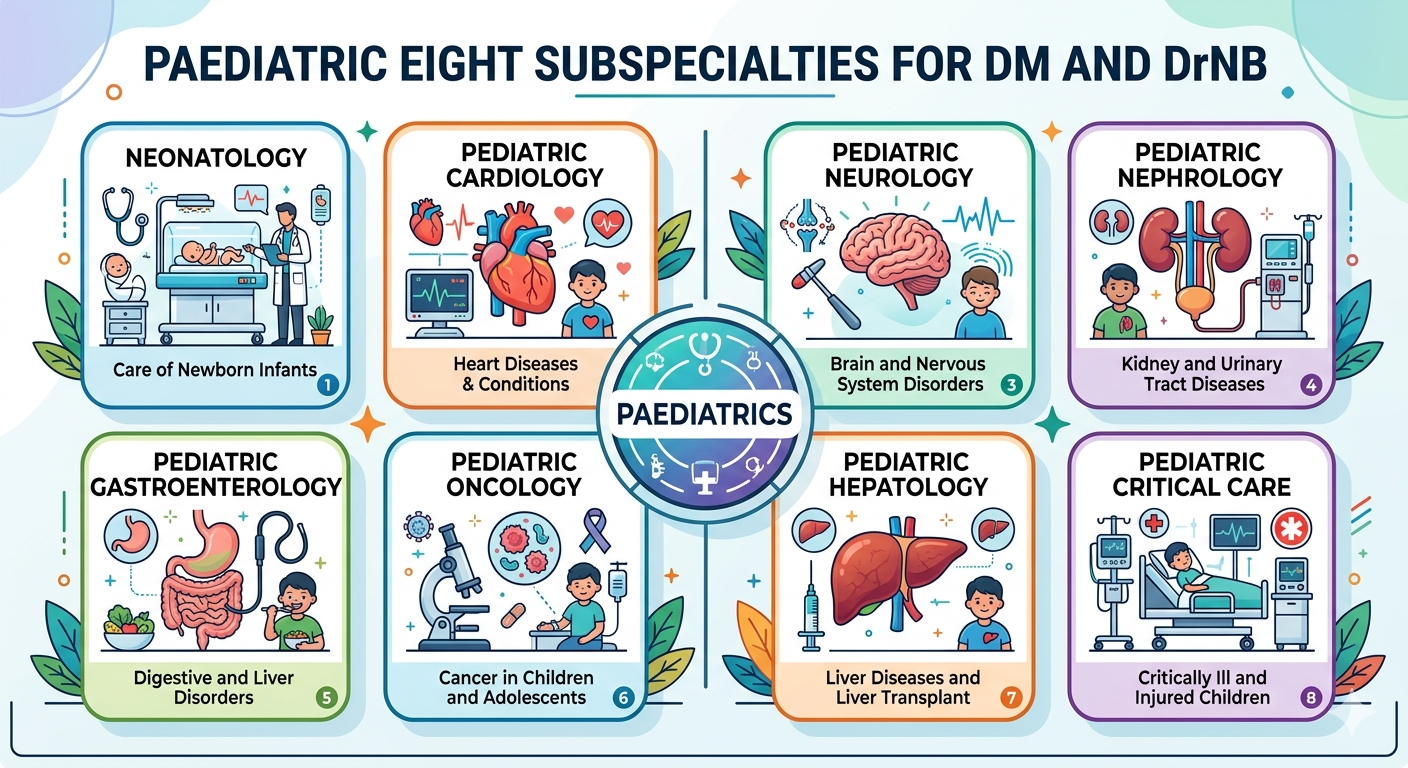
- Upon clearing the exam, you can enter into subspecialties like Neonatology, Pediatric Cardiology, Neurology, Nephrology, Gastroenterology, Oncology, Hepatology, and Critical Care.
- We often see doctors underestimate the depth of the syllabus. The exam covers everything you learned during MD Pediatrics, but expects you to go deep into a few more important areas.
- The key distinction from NEET PG is that this is not about breadth. It is about clinical depth, diagnostic precision, and management algorithms taken from references like Nelson Textbook of Pediatrics (22nd edition) and Cloherty and Stark's Manual of Neonatal Care.
NEET SS Pediatrics - Exam Format & Structure for 2026
Understanding the exam structure is the first step before you open any textbook. Since 2024, NBEMS has introduced time-bound sections, which is a structural shift that changed how candidates must approach the paper.
| Feature | Details |
| Exam Format | Computer-based test (CBT), offered annually (anticipated to be March 2027 for 2026) |
| Total Questions | 150 MCQs |
| Number of Sections | Three sections of 50 questions each |
| Duration of each section | 50 minutes |
| Correct Answer | +4 marks |
| Incorrect Answer | -1 mark |
| Unanswered | Zero marks |
| Total Score | 600 Marks |
| Test type | Online Computer-Based Test |
Due to the section-locked nature of the test, one will not be able to access past sections after the countdown. This test should be treated like three mini-exams of 50 questions each.
Subjectwise High-Yield Topics
This is the heart of your preparation, as it is the 80% that’ll decide your rank. Based on recent NEET SS papers and INI-SS trends, here’s what gets asked the most.
Neonatology - “The King of all topics”
- Every single year, neonatology makes up the most number of questions.
- Topics like neonatal resuscitation (NRP guidelines, 8th edition), respiratory distress syndrome, and surfactant therapy-Poractant Alpha at 100mg/kg always come up.
- Don't forget NEC staging with Bell’s criteria or questions about neonatal jaundice.
- Examiners love to ask about exchange transfusion thresholds also, especially the latest AAP 2022 guidelines.
- A lot of students get confused on when to use phototherapy versus when to go for exchange transfusion. It always comes down to remembering those total serum bilirubin cut-offs. Make sure you know how it changes with gestational age and risk factors.
- Other must-know areas include: perinatal asphyxia and Sarnat staging, ROP screening criteria, intraventricular hemorrhage (Papile grading), and how to manage VLBW (very low birth weight) infants.
.png)
Pediatric Cardiology
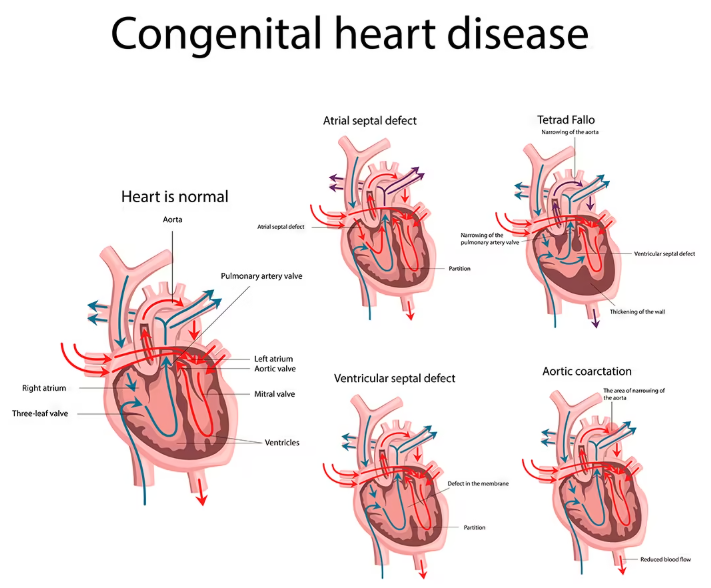
- Congenital heart diseases are the basis here. Master left-to-right shunts (VSD, ASD, PDA), right-to-left shunts (TOF, TGA), and obstructive lesions (Coarctation, Aortic Stenosis).
- The Hyperoxia test (PaO₂ failing to rise above 100 mmHg on 100% FiO₂ means fixed right-to-left shunt) confuses a lot of residents.
- You can expect plenty of scenario-based questions here, combining clinical clues, chest X-ray, and ECG in the diagnosis.
Pediatric Neurology
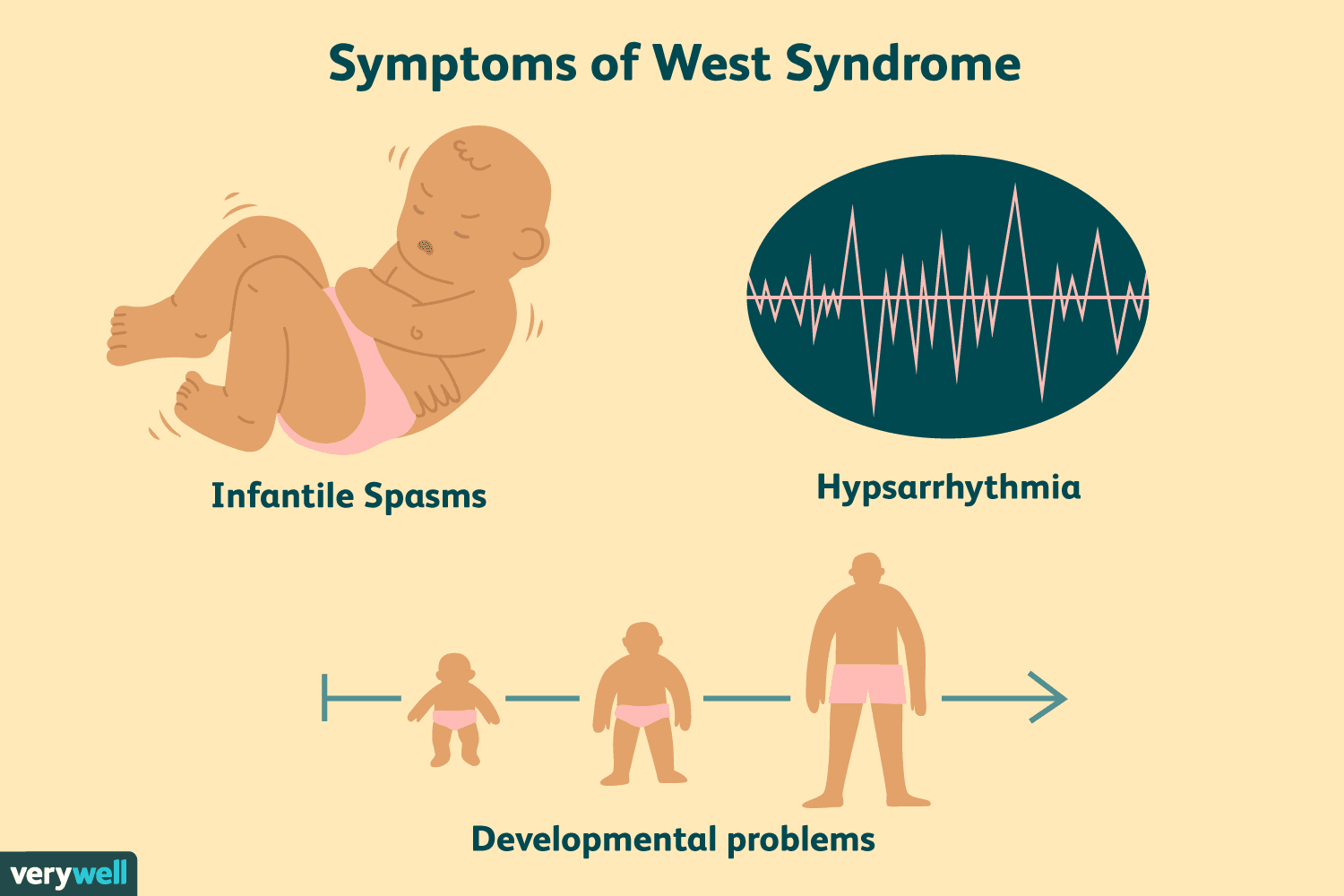
- High-yield topics include Seizure classification (ILAE 2017), febrile seizure management, status epilepticus protocols, and neurodegenerative disorders, West syndrome (infantile spasms + hypsarrhythmia + regression) and Lennox-Gastaut.
- First-line therapy for infantile spasms- ACTH or Vigabatrin (particularly with Tuberous Sclerosis).
Pediatric Nephrology
- Nephrotic syndrome (minimal change disease makes up most cases in kids under 10 years), plus steroid responsiveness as per ISKDC.
- Hemolytic Uremic Syndrome: look for microangiopathic hemolytic anemia, thrombocytopenia, acute kidney injury, and association with Shiga toxin E. coli (O157:H7).
Growth, Development & Nutrition
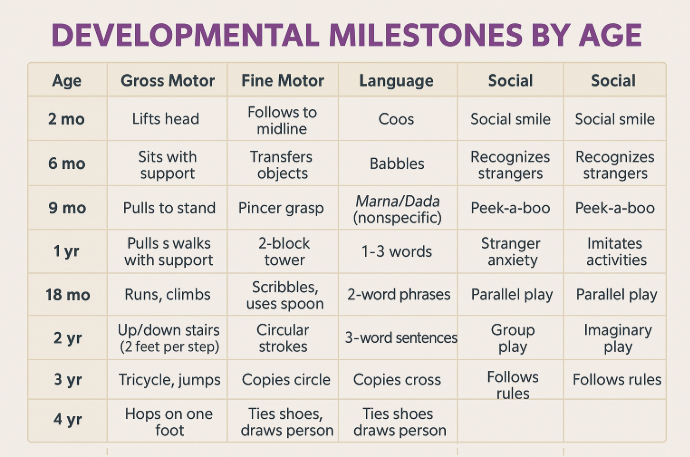
- Milestones, growth charts (WHO standards), and nutrition deficiencies are asked about everywhere.
- IAP growth charts are the gold standard in India.
- Severe acute malnutrition (SAM): Weight-for-height below −3 SD or MUAC <11.5 cm in kids 6–59 months, which comes up very often.
Genetics & Inborn Errors of Metabolism
- This section has gained significantly high weightage in the recent years.
- High-yield topics include Down syndrome karyotyping, Turner syndrome (45, X), metabolic screening (tandem mass spectrometry), PKU (phenylalanine >20 mg/dL, treat with dietary restrictions), and Galactosemia (galactose-1-phosphate uridylyltransferase deficiency).
Immunization
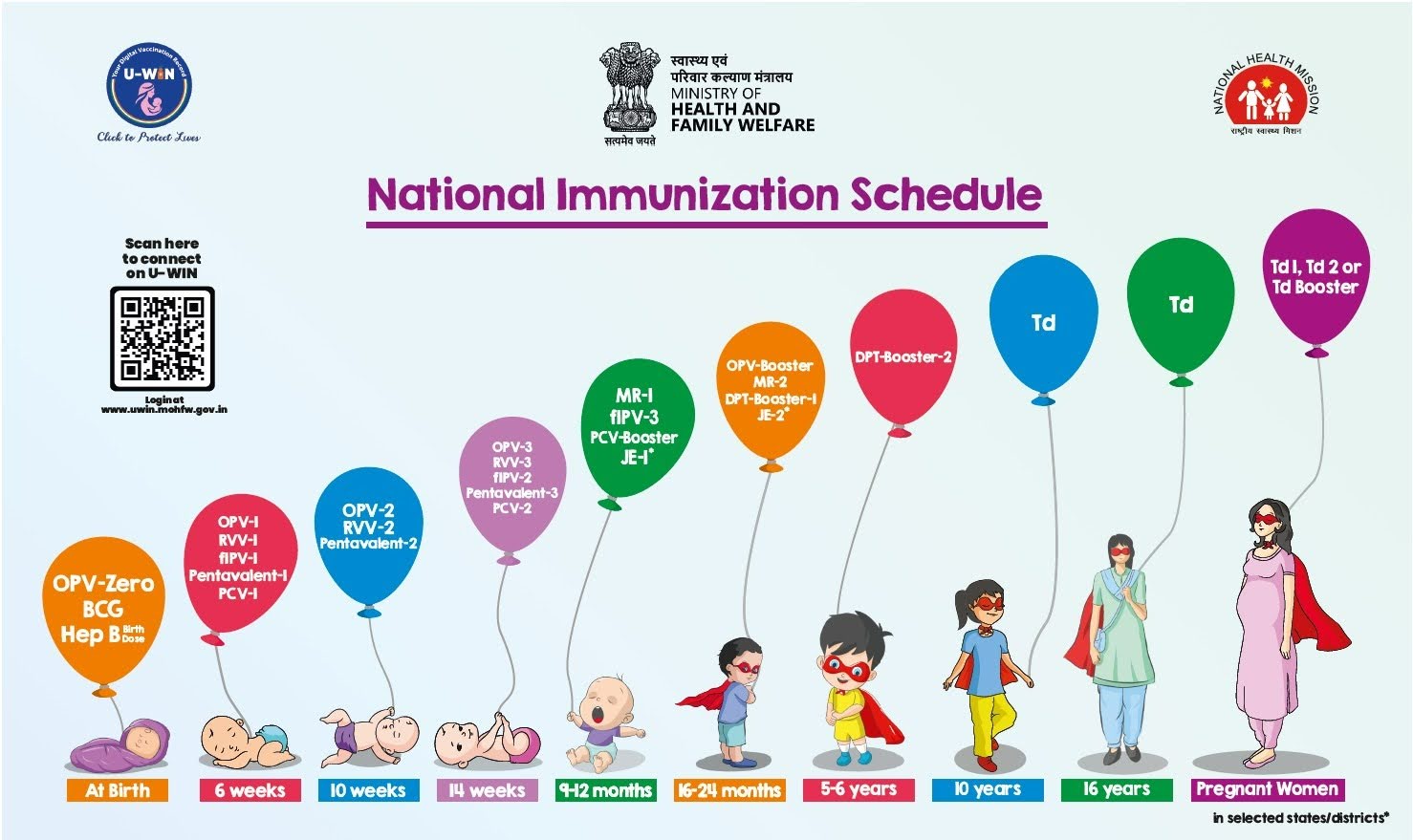
- The National Immunization Schedule (NIS) and IAP immunization schedule are both testable.
- Key areas are Pentavalent vaccine schedule, Rotavirus vaccine (Rotavac - Indian strain 116E), MR vaccine campaign, and PCV introduction.
- Contraindications and AEFI classification must be revised thoroughly and frequently.
Infectious Diseases
- Pediatric HIV (NACO guidelines for PMTCT)
- Tuberculosis in children (diagnosis challenges, RNTCP guidelines)
- Dengue management (WHO classification: dengue with/without warning signs, severe dengue)
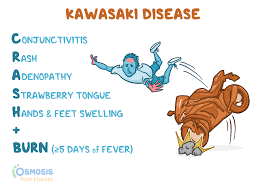
- Kawasaki disease (diagnostic criteria - fever ≥ 5 days plus 4 of 5 clinical features)
Neonatology vs General Pediatrics - Exam-based Comparison
Feature Neonatology General Pediatrics Estimated questions 25-30% of paper 70-75% of paper Question depth Protocol-driven, numerical Scenario-based, diagnostic Primary reference books Cloherty 9th Edition, NRP 8th Edition Nelson 22nd Edition Key focus areas RDS, NEC, Jaundice, Sepsis CHD, Seizures, Nephrology, Inborn Errors of Metabolism Clinical reasoning type Algorithms used in NICU OPD and ward scenarios Trend for 2026 Increased weightage Unchanged, but increased NEET SS pearl Know exact drug doses and thresholds Know diagnostic criteria and differentials
Preparation Strategy - What Actually Works
- Build your basics.
- The majority of the exam is simply testing whether you understand your General Paediatrics or not.
- There’s no point attempting anything further if your cardiology, neurology, nephrology, or gastroenterology basics are not clear.
- Therefore, refer back to Nelson’s textbook, build your basics in these areas, and only then move to the specialty texts.
- Solve previous year question papers methodically.
- When analyzing questions asked in the past five years of NEET SS and INI-SS, there are some common topics that pop up time and again.
- Topics such as neonatal jaundice management, classification of congenital heart diseases, or protocols for managing nephrotic syndrome.
- Identify these early so that you don't have to go through unnecessary material.
- Obsess about numbers.
- Numerical questions constitute a large chunk of the DM examination.
- Questions on dosages of drugs, diagnostic levels, and laboratory levels will be there in abundance.
- Some examples: Surfactant: 100 mg/kg, Caffeine citrate loading: 20 mg/kg, Sweat chloride more than 60 mEq/L suggests cystic fibrosis, TSH more than 20 mIU/L indicates congenital hypothyroidism.
- Finally, get used to the timing when answering the questions.
- The goal is to answer 50 questions within 45 minutes so you have a couple of minutes left for checking.
- It may sound odd, but physicians tend to lose more points due to skipped questions in the final section than mistakes in the first one.
- In this case, stamina and rhythm play an equally important role as knowledge.
Follow these four rules, and you will be amazed by their effectiveness!
High-Yield Quick Pointers
- Surfactant therapy for RDS: Poractant alfa at 200 mg/kg. It's more effective than 100 mg/kg → this dose question comes up all the time.
- Don’t fall for the Apgar score trap. It doesn’t predict long-term neuro outcomes. For prognosis in HIE, remember to use Sarnat staging.
- VSD is the most common congenital heart defect overall; Tetralogy of Fallot is the most common cyanotic CHD.
- Minimal change disease usually brings selective proteinuria (losing mainly albumin), and over 90% of kids respond well to steroids. On EM, the important finding is podocyte foot process effacement.
- Mnemonic for Kawasaki disease criteria - "CRASH and Burn": Conjunctivitis, Rash, Adenopathy (cervical, >1.5 cm), Strawberry tongue, Hand/foot changes, plus fever for at least 5 days.
- Exchange transfusion in newborn jaundice is needed if TSB goes over the AAP nomogram threshold despite maxed-out phototherapy, or climbs within 2-3 mg/dL of that level and keeps rising.
- The West syndrome triad: infantile spasms, hypsarrhythmia on EEG, and developmental regression. ACTH or Vigabatrin are first-line treatments.
- NEC staging (Bell's): Stage I (suspected) → Stage II (definite, pneumatosis intestinalis on X-ray) → Stage III (advanced, pneumoperitoneum).
- Watch out for the jaundice trap. Physiological jaundice comes after 24 hours and peaks around days 3-5. Pathological jaundice starts on the first day, and TSB climbs over 5 mg/dL per day.
- Congenital hypothyroidism screening: heel-prick TSH > 20 mIU/L warrants confirmatory testing. Treatment with Levothyroxine in the first 2 weeks to save brain development.
Frequently Asked Questions
What subspecialties can I pursue after NEET SS Pediatrics?
- After clearing NEET SS Pediatrics, you can pick from 8 subspecialties for DM and DrNB: Neonatology, Pediatric Cardiology, Pediatric Neurology, Pediatric Nephrology, Pediatric Gastroenterology, Pediatric Oncology, Pediatric Hepatology, and Pediatric Critical Care.
- Neonatology usually offers the most seats across different institutes.
Which topics carry the most weight in NEET SS Pediatrics?
- Neonatology alone covers about 25-30% of the questions, so you really can’t afford to ignore it.
- After that, focus on Pediatric Cardiology (especially congenital heart issues), Neurology (like seizures and neurodegenerative diseases), Nephrology (think nephrotic syndrome and HUS), and Inborn Errors of Metabolism.
- These five together easily cross 60% of the whole exam.
What is the best reference book for NEET SS Pediatrics?
- For General Pediatrics, just follow Nelson Textbook of Pediatrics (22nd edition), since that’s the main book everyone swears by.
- For Neonatology, Cloherty and Stark’s Manual of Neonatal Care (9th edition) is the main book.
- You can also use the NRP textbook (8th edition) and OP Ghai, but more as additional references.
How many previous year papers should I solve for NEET SS Pediatrics?
- Aim for at least five years of NEET SS and three years of INI-SS papers.
- Once you go through all of these, you’ll notice that 30-40% of the concepts get recycled year after year.
- Practising PYQs isn’t only helpful but it’s actually the smartest way to study.
How is NEET SS Pediatrics different from the Pediatrics section in NEET PG?
- In NEET PG, Pediatrics gets combined with 18 other subjects, and you’ll get just 15-20 basic MBBS-level questions.
- NEET SS flips that around as all 150 questions dive deep into Pediatrics, often at a specialist level, which are much more detailed and advanced, including subspecialty information that you’ll only see during or after an MD.
- You’ll need strong clinical reasoning, a solid grasp of guidelines, and sharp management skills, none of which NEET PG really pushes for.
CLINICAL PEARL
- Here’s something worth remembering: In pediatrics, the diagnosis that slips by isn’t usually something rare; it’s a common disease that just looks a little different.
- After 15 years of tutoring, we’ve watched this pattern repeat itself in exams and on the wards over and over.
- So, spend your time getting to know the classic cases thoroughly
- When you do, even the difficult ones won’t seem so mysterious.

PrepLadder
Access all the necessary resources you need to succeed in your competitive exam preparation. Stay informed with the latest news and updates on the upcoming exam, enhance your exam preparation, and transform your dreams into a reality!
Navigate Quickly
NEET SS 2026 IN PEDIATRIC TESTING - REASONS IT'S RELEVANT
NEET SS Pediatrics - Exam Format & Structure for 2026
Subjectwise High-Yield Topics
Neonatology - “The King of all topics”
Pediatric Cardiology
Pediatric Neurology
Pediatric Nephrology
Growth, Development & Nutrition
Genetics & Inborn Errors of Metabolism
Infectious Diseases
Neonatology vs General Pediatrics - Exam-based Comparison
Preparation Strategy - What Actually Works
High-Yield Quick Pointers
Frequently Asked Questions
What subspecialties can I pursue after NEET SS Pediatrics?
Which topics carry the most weight in NEET SS Pediatrics?
What is the best reference book for NEET SS Pediatrics?
How many previous year papers should I solve for NEET SS Pediatrics?
How is NEET SS Pediatrics different from the Pediatrics section in NEET PG?
CLINICAL PEARL
Top searching words
The most popular search terms used by aspirants
- NEET SS Pediatrics Gastroenterology and Hepatobiliary Preparation
- NEET SS Pediatrics Important Topics
- NEET SS preparation
- NEET SS Preparation Strategy