Alcohol Metabolism And Hooch Tragedy Complete Overview
Feb 20, 2025


Alcohol
Alcohol: RCH2OH. Alcohol gets converted to aldehyde in the body - by Alcohol dehydrogenase. Aldehyde gets converted to acid - by Aldehyde dehydrogenase. Both enzymes remove hydrogen from alcohol and aldehyde. Adds the removed hydrogen to its coenzyme (NAD). NAD + H gives NADH. Metabolic status of chronic alcoholic: High NADH and NAD ratio.
Features of Chronic Alcoholism
- High energy - suppresses hunger.
- A person misses a mixed balanced diet.
- Essential micronutrient deficiency.
- Alcohol is a source of empty calories.
- More prone for thiamine deficiency due to:
- Alcohol interferes with thiamine absorption.
- Interferes with Magnesium absorption.
What is the relationship between hypomagnesemia and thiamine deficiency?
- Thiamine works in its active form called thiamine pyrophosphate (TPP)
- To convert to TPP it requires thiamine kinase and this enzyme needs magnesium.
- If Magnesium is less thiamine doesn't convert to TPP.
- Leading to thiamine deficiency.
What is Thiamine Deficiency and Neurons
Nerves use glucose aerobically.
Glucose
↓
converts to pyruvate.
↓
Uses PDH and converts to Acetyl CoA
↓
Enters citric acid cycle.
↓
Releases carbon dioxide
- PDH requires thiamine to work.
- Therefore, thiamine deficiency affects neurons more.
- Thiamine deficiency presents as Wernicke's encephalopathy in acute thiamine deficiency.
Nerves More Susceptible to Thiamine Deficiency
- Mammillary body - causes global confusion.
- 3,4,6 cranial nerves - causes ophthalmoplegia.
- Cerebellar neurons - causes ataxia.
- Mnemonic: GOA.
Features of Chronic Thiamine Deficiency
Presents as Korsakoff syndrome.
- Characterized by
- Amnesia (retrograde and anterograde).
- Confabulation.
- Sensory agnosia.
Also read: FMT Clinical and Non-Clinical Practice Questions for NEET
What is Chronic Alcoholism and B12 Deficiency?
- Tetrahydrofolate (THFA): Important in purine and pyrimidine synthesis.
- B12 and folate deficiency inhibits purine and pyrimidine synthesis.
- Inhibits replication.
- No cell division but cell growth occurs.
- Leading to macrocytic anemia.
What is Chronic Alcoholism and Hypoglycemia?
- Hypoglycemia because of the high NADH/NAD ratio.
- Conversion of more pyruvate to lactate - with the help of NADH.
- Conversion of more OAA to malate - with the help of NADH.
- Decreases pyruvate and OAA levels (first intermediates in gluconeogenesis).
- Leading to impaired gluconeogenesis.
- Finally, it leads to Hypoglycemia.
What is Hypoglycemia and Wernicke's Encephalopathy
To treat chronic alcoholic patient with hypoglycemia
↓
Dextrose is administered (contains D-glucose)
↓
Converts glucose to pyruvate.
↓
To utilize pyruvate PDH is needed.
↓
PDH needs thiamine to perform its function.
↓
Utilizes all the leftover thiamine in the body.
↓
Precipitated Wernicke's encephalopathy
Also read: Recent Amendments to Criminal Laws in India
What is Chronic Alcoholism and Fatty Liver?
- Fat accumulation in the liver i.e., accumulation of triacylglycerols and cholesterol esters in the liver.
- Anabolism leads to Fatty Liver - High NADH/NAD ratio and high ATP/ADP ratio.
- More production and deposition of triacylglycerols and cholesterol esters in the liver.
Delirium Tremens
- One of the features of Alcohol withdrawal.
- Presents between 2nd and 10th day of Alcohol withdrawal.
Manifestations of Delirium Tremens
- Mental manifestations
- Global confusion
- Hallucinations
- Nightmares
- Mnemonic: Government Hospital Nurse.
- Physical manifestations
- Tremors
- Hyperthermia
- Tachycardia
- Hypertension
Also read: Organic Plant Irritant Poisons: Symptoms, Treatment & Effects
What is Hooch Tragedy?
- Spurious Alcohol Tragedy.
- Related to methanol.
Methanol
↓
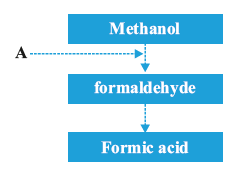
Methanol Converts to formaldehyde by Alcohol dehydrogenase.
↓
Formaldehyde converts to formic acid by Aldehyde dehydrogenase (toxic to neurons e.g., optic nerve damage)
- Formic acid leads to
- Inhibition of ETC. (particularly inhibits cytochrome C oxidase)
- Leads to histotoxic hypoxia.
- This methanol poisoning can be treated with
- Ethanol: Competitive inhibitor of methanol
- Fomepizole: Inhibits Alcohol dehydrogenase
Also read: Last 5 Year PYQs in Forensic Medicine

FAQs
Q. What is one of the causes of Wernicke's encephalopathy in chronic alcoholics?
- Treating the chronic alcoholic patient with hypoglycemia using Dextrose.
Q. How to avoid Wernicke's encephalopathy in chronic alcoholic patients with hypoglycemia?
- Before treating with direct Dextrose
- Get the personal history of the patient.
- If alcoholic - give thiamine injection.
- Then start Dextrose infusion.
Q. What is the most common deficiency in chronic alcoholism?
Ans. Thiamine
Q. What does acute thiamine deficiency cause?
Ans. Wernicke's encephalopathy
Q. What causes chronic thiamine deficiency?
Ans. Korsakoff syndrome
Also read: Animal Irritant Poison
MCQs
Q. A chronic alcoholic's metabolic status is characterized by?
A. High NADH
B. High NAD
C. High ADP
D. Hypervitaminosis
Q. All the following are features of Chronic Alcoholism except
A. Thiamine deficiency
B. Hypoglycemia
C. Fatty Liver
D. Polycythemia
Q. A chronic alcoholic presents with hypoglycemia. The intern starts a Dextrose infusion and very soon finds that the person presents with global confusion and ophthalmoplegia. The diagnosis is.
A. Wernicke's encephalopathy
B. Korsakoff syndrome
Q. A 55 year old alcoholic was brought to the emergency department by his friends. During their usual hangout at the local bar, he had passed out and they were unable to revive him. On admission, his blood glucose was 55 mg/dL. Which of the following is the explanation for hypoglycemia in him?
A. Thiamine Deficiency
B. Low NAD
C. Low pyruvate
D. High oxaloacetate
Also read: Last 5 Year PYQs in Forensic Medicine for INI-CET
Q. A 55 year old alcoholic was brought to the emergency department by his friends. During their usual hangout at the local bar, he had passed out and they were unable to revive him. On admission, his blood glucose was 55 mg/dL. Which of the following proteins would have no significant activity in this patient?
A. Glucokinase
B. GLUT1 transporter
C. Glycogen phosphorylase
D. Hexokinase
Q. Hooch Tragedy is related to which of the following alcohols?
A. Methanol
B. Ethanol
C. Ethylene glycol
D. Hypoglycin
Image Based MCQs
Q. Identify the drug A which inhibits the step depicted in the image.
A. Fomepizole
B. Salicylate
C. Disulfiram
D. Acetaldehyde
Also read: Thanatology: Types of Death and Post Mortem Changes
If you're looking to test your preparation and gear up for the NEET PG exam, the NEET PG Mock exam is always available for you. This comprehensive mock exam, designed to mirror the actual exam pattern and difficulty, is available throughout your preparation to assess your progress.
Download the PrepLadder app now and unlock a 24-hour FREE trial of premium high-yield content. Access Video Lectures, digital notes, QBank, and Mock Tests for FREE to start your NEET PG Exam preparation. Elevate your study experience and gear up for success. Start your journey with PrepLadder today!

PrepLadder Medical
Get access to all the essential resources required to ace your medical exam Preparation. Stay updated with the latest news and developments in the medical exam, improve your Medical Exam preparation, and turn your dreams into a reality!
Navigate Quickly
Alcohol
Features of Chronic Alcoholism
What is the relationship between hypomagnesemia and thiamine deficiency?
What is Thiamine Deficiency and Neurons
What is Chronic Alcoholism and B12 Deficiency?
What is Chronic Alcoholism and Hypoglycemia?
What is Hypoglycemia and Wernicke's Encephalopathy
What is Chronic Alcoholism and Fatty Liver?
Delirium Tremens
What is Hooch Tragedy?
FAQs
MCQs
Image Based MCQs
Top searching words
The most popular search terms used by aspirants
- Forensic Medicine Preparation
- NEET PG FMT
- NEET PG FMT Preparation