NEET PG 2026: High-Yield Topics for Ophthalmology
Apr 8, 2025

Are you trying to figure out the best way to approach Ophthalmology for NEET-PG 2026 preparation?
PrepLadder has all the answers.
Among the 19 subjects one has to study for the NEET PG exam, Ophthalmology is one of the direct subjects. This means most questions asked in the exam are straightforward. You are unlikely to encounter many cryptic or trick questions from ophthalmology. Therefore, ophthalmology is a high-scoring subject if studied correctly.
In this post, we have covered all the important high-yield questions that have the highest probability of being asked in the upcoming exam. Read these ophthalmology topics thoroughly and you will surely improve your score and rank in the exam.

Must Read for NEET PG 2026 preparation
Before diving in to the high-yield topics for Ophthalmology, we recommend you also check out all the important topics to be covered for the following subjects:
| High-Yield Topics for Pharmacology | High-Yield Topics for Paediatric |
| High-Yield Topics for Radiology | High-Yield Topics for Surgery |
Also read: Guide to Cataracts: Types, Causes, and Treatments
High-Yield Topics for Ophthalmology
Nothing will yield you better results in your NEET PG exam than focused study. The following high-yield topics for ophthalmology have been carefully selected by our subject matter experts to help you make your NEET PG preparations more targeted and focused. Scroll down to know all the ophthalmology important topics.

Introduction to ophthalmology
- Structure of eyes
- Anatomy of eye
- Mechanism of vision
- Extraocular muscles
- Blood supply of eye
Anatomy and physiology of eye
- Anatomy of lens
- Physiology
- Lens protein

Types and treatment of cataract
- Cataract
- Types of cataracts
- Congenital rubella syndrome
- Clinical features of cataract
- Treatment of cataract
- Treatment of congenital cataract
Complications of Cataract Surgery
- Posterior capsular tear
- Acute post operative complications
- Chronic postoperative complications
- Displacement of IOLS
Subluxation of Lens
- Treatment of subluxation
Lasers in eye
- Types of laser
- Photo ablative lasers
Glaucoma
- Formation of aqueous humor
- Blood aqueous barrier
- Outflow of aqueous humor
- Theories of axonal loss
- Classification of glaucoma
- Visual fields
- Extent of visual field
- Primary angle closure glaucoma
- Mechanism of angle closure glaucoma
- Anterior chamber angle assessment
- Gonioscopy
- Grading systems
- Clinical features of primary angle closure glaucoma
- Chronic angle closure glaucoma
- Absolute glaucoma
- Peripheral idiopathic
- Secondary glaucoma
- Lens induced glaucoma
- Neovascular glaucoma
- Malignant glaucoma
- Glaucoma associated with uveitis
- Treatment of glaucoma
- Laser treatment in glaucoma
- Glaucoma surgery
- Congenital glaucoma
- Secondary congenital glaucoma
Cornea
- Structure of cornea
- Histology
- Nerve supply of cornea
- Anatomy of limbus
- Histological limbus
- Anatomical limbus
- Surgical limbus
- Physiology of cornea
- Corneal ulcer
- Types of ulcers
- Keratoconus
- Keratoplasty/ corneal transplantation
- Types of keratoplasty
- Keratoprothesis
- Complications of keratoplasty
- Corneal degeneration
- Types of corneal opacity
- Corneal dystrophy
- Types of bowmen’s membrane dystrophy
- Types of endothelial dystrophy
Sclera
- Anatomy
- Layers of sclera
- Sclera apertures
- Sclera inflammation
- Episcleritis
- Scleritis
- Non necrotising anterior scleritis
- Necrotising anterior scleritis
- Posterior scleritis
- Blue sclera
- Staphyloma
Uveitis
- Structure of uveal tissue
- Classification based on duration
- Anatomical classification
- Etiological classification
- Anterior uveitis/ acute anterior uveitis
- IOP changes in anterior uveitis
- Systemic association of anterior uveitis
- Masquerade syndrome
- Intermediate uveitis
- Posterior uveitis
- Diseases associated with uveitis
- Sarcoidosis
- Bachet’s disease
- Uveitis associated with IBD
- Viral uveitis
- Bacterial uveitis
- Parasitic uveitis
- Onchocerciasis
- Cysticercosis
- Toxocariasis
- Fuchs heterochromic cyclitis
- Sympathetic ophthalmitis
- Ophthalmia nodosum
Neurophthalmology
- Optic nerve
- Optic foramen
- Muscles and their nerve supply
- Blood supply of optic nerve
- Optic nerve dysfunction
- Classification of optic neuropathy
- Ischemic optic neuropathy
- Hereditary optic neuropathy
- Nutritional toxic optic neuropathy
- Papillitis and papilledema
- Psedopapilledema
- Optic atrophy
- Normal pupillary reactions
- Accommodation pathway
- Abnormal pupillary reactions
- Adie’s pupil/ tonic pupil
- Honor syndrome
- Anosocria
- Visual pathway
- Lesions and visual defects of the visual pathway
- Chiasmal lesions
- Optic tract lesion
- Lateral geniculate body
- Optic radiations
- Visual cortex
- Gaze centres
- Other important syndromes
- Nystagmus
Conjuctiva
- Anatomy of conjunctiva
- Parts of conjunctiva
- Conjunctival fornix
- Palpebral conjunctiva
- Bulbar conjunctiva
- Conjunctivitis
- Trachoma
- Ophthalmia neonatorum
- Viral conjunctivitis
- Allergic conjunctivitis
- Xerosis (drying)
- Xerophthalmia
- Pterygium
- Pinguecula
- Dry eye
Lacrimal drainage system
- Anatomy of Lacrimal drainage system
- Physiology of tear flow
- Watering
- Obstruction of lacrimal pathway
- Dacryocystitis
- Canaliculitis
Orbit
- Anatomy of orbit
- Proptosis
- Pseudoproptosis
- Thyroid eye disease
- Orbital cellulitis
- Rhino orbital cerebral mucormycosis
- Cavernous sinus thrombosis
- Tolosa hunt syndrome
- Lacrimal drainage system
- Lacrimal gland tumors
- Lacrimal sac tumor
- Pulsating protosis
- Intermittent proptosis
- Cavernous hemangioma
- Rhabdomyosarcoma
- Dermoid cyst
- Capillary hemangioma
- Sturge weber syndrome
- Optic nerve tumor
- Neurofibromatosis
- Blowout fractures
- Eye removal surgeries
Ocular injuries
- Blunt trauma
- Penetrating injury
- Foreign bodies
- Siderosis
- Chalcosis
- Chemical injuries
Lids
- Basic structure
- Ptosis
- Treatment of ptosis
- Pseudoptosis
- Eyelid tumors
- Enteropion
- Ectropion
- Belepharitis
Optics
- Visual perception
- Color blindness
- Purkinje images
- Ophthalmoscopes
- Visual images
- Refractive errors
- Aphakia
- Retinoscopy
- Spectacle prescription
- Subjective verification of refraction
- Lazy eye
- Refractive surgery
- Low visual aids
- Reduced eye
Squint
- Extraocular muscles
- squint / strabismus
- Iconcominant squint
- Paralytic squint
- Pattern squint
- Ocular motility defects
- Oculo cardiac reflex
Glaucoma
- Visual field defects of glaucoma - scotomas
- Optic disc changes
- Secondary glaucoma: Lens induced glaucoma
- Pigmentary glaucoma
- Pseudoexfoliation glaucoma
Refraction on optics
Also read: Important One-Liners in Ophthalmology
Retina
- Retinal Detachments
- Diabetic retinopathy/ hypertensive retinopathy
- CRVO
- CRAO
- Retinitis pigmentosa
Neuro Ophthalmology
- Visual Field Defects
- Pupils
Squint
- Diplopia
- Restrictive/ Paralytic Squint
Cornea and Conjunctiva
- Ulcers
- Mooren’s Ulcers
- Keratoconus
- Keratoplasty - PK/LK
- Adeno Viral
- Dry eyes
Oncology
Trauma
- Blowout fracture of the orbit
- Ocular manifestations of systemic disorders
- Thyroid eye disease
Download the FREE PDF featuring all the high-yield topics of Ophthalmology and make sure nothing important from this vast subject is left out.
Past-Year Questions from Ophthalmology
Below you will find some of the Ophthalmology NEET PG questions that were asked in the September 2021 exam.
Q. 1 A child with whitish pupillary reflex has undergone enucleation and shows bright round blue cells with Flexner wintersteiner rosettes. What is the diagnosis?
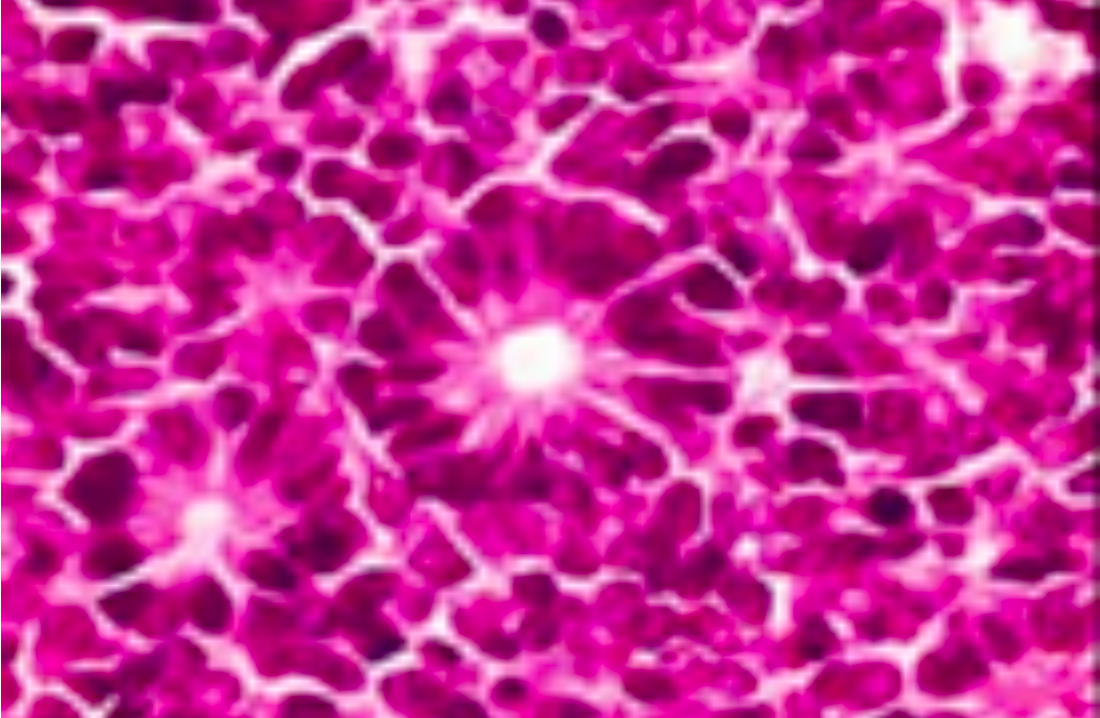
- Retinoblastoma
- Rhabdomyosarcoma
- Medulloblastoma
- Astrocytoma
Answer: Retinoblastoma
Q.2 30 Year old with complains of diminishing vision on right halves of both eyes. What is the probable diagnosis?
- Left optic tract
- Right occipital lobe
- Optic chiasma
- Right optic nerve
Answer: Left optic tract
Q.3 A patient of primary open angle glaucoma with a known case of bronchial asthma. What is the drug of choice?
- Latanoprost
- Carboprost
- Alprostadil
- Gemeprost
Answer: Latanoprost
Q.4 A 15 year old female with myopic astigmatism refuses to wear glasses, what would be ideal management?
- LASIK
- Femto LASIK
- ICL
- Spherical equivalent glasses
Answer: Spherical equivalent glasses
Q.5 Corneal transparency is decided by
- Keratan sulphate
- Chondroitin sulphate
- Heparan Sulphate
- Hyaluronic acid
Answer: Keratan sulphate
You can Download FREE PDF of from here.
Also read: INI-CET High Yield Questions for Ophthalmology
For the detailed explanation to these questions and all the previous years questions from different subjects, you can refer to the PrepLadder app.
The app will also provide you video lectures and treasures for all the must-read important topics. If you are short on time, you can refer to our Rapid Revision videos for quick recall.
Own Your Dream
Team PrepLadder

PrepLadder Medical
Get access to all the essential resources required to ace your medical exam Preparation. Stay updated with the latest news and developments in the medical exam, improve your Medical Exam preparation, and turn your dreams into a reality!
Navigate Quickly
Must Read for NEET PG 2026 preparation
High-Yield Topics for Ophthalmology
Introduction to ophthalmology
Anatomy and physiology of eye
Types and treatment of cataract
Complications of Cataract Surgery
Subluxation of Lens
Lasers in eye
Glaucoma
Cornea
Sclera
Uveitis
Neurophthalmology
Conjuctiva
Lacrimal drainage system
Orbit
Ocular injuries
Lids
Optics
Squint
Uveitis
Glaucoma
Refraction on optics
Retina
Neuro Ophthalmology
Squint
Cornea and Conjunctiva
Oncology
Trauma
Past-Year Questions from Ophthalmology
Top searching words
The most popular search terms used by aspirants
- NEET PG Exam Preparation