Last 5 Year PYQs in Pediatrics for FMGE
Dec 24, 2025
If you are an FMGE aspirant, you must be aware of the importance of Pediatrics as a high-yield subject in FMGE. You can only ace it if you have a strong grip on frequently asked questions.
And, as most of the questions in the exam are concept-based and follow a specific pattern, it becomes crucial for you to go through past-year questions (PYQs) to understand what to expect.
To make it easier for you to ace the exam like a pro, we’ve compiled a list of the most important Pediatrics PYQs from the last 5 years, covering key topics with detailed explanations.
Whether you’re revising concepts or brushing up your knowledge, these questions are sure to help you identify your strengths and weaknesses and enhance retention.
So, without further ado, let’s delve into the questions.
Download FMGE Last 5-Year PYQs – Subject-wise PDFs
|
|
|
|
|
|
|
|
|
|
|
|
|
|
|
|
|
|
|
|
|
|
|
|
|
|
||
Q1. A 7-year-old boy weighing 30 kg has been posted for surgical resection of a tumor. What is the daily maintenance fluid required for this child while he’s NPO?
- 1000 mL
- 1700 mL
- 2500 mL
- 3000 mL
Ans. 2) 1700 mL
Based on the Holliday-Segar method, the daily maintenance fluid requirement for a 7-year-old boy who weighs 30 kg can be estimated as follows:
For the first 10 kg of body weight: 100 mL/kg/day
= 10 kg x 100 mL/kg/day
= 1000 mL/day
For the next 10 kg (from 11 to 20 kg): an additional 50 mL/kg/day
= 10 kg x 50 mL/kg/day
= 500 mL/day
For the remaining 10 kg (from 21 to 30 kg): an additional 20 mL/kg/day
= 10 kg x 20 mL/kg/day
= 200 mL/day
Adding the results from the above calculations:
1000 mL/day + 500 mL/day + 200 mL/day = 1700 mL/day
Therefore, based on the Holliday-Segar method, the estimated daily maintenance fluid requirement for a 7-year-old boy weighing 30 kg would be approximately 1700 mL/day.
Also read: Last 5 Year PYQs in Biochemistry for FMGE
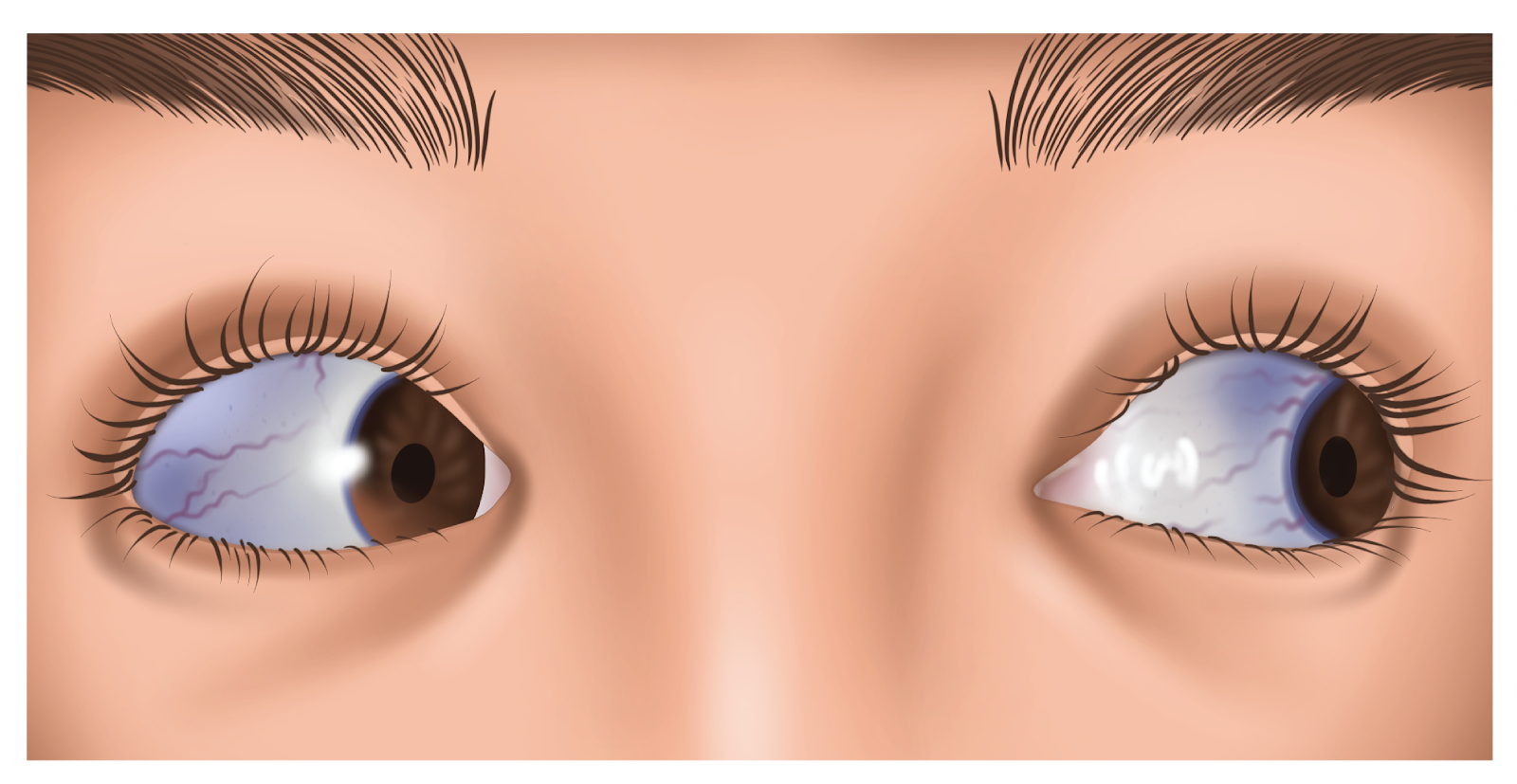
Q2. A 10-year-old child is brought to the OPD with a history of repeated fractures for the past 2 years. On examination, blue sclera and dental abnormalities are noted. There is a family history of similar complaints. Which of the following is the diagnosis?
- Scurvy
- Rickets
- Osteogenesis imperfecta
- Osteomalacia
Ans. 3) Osteogenesis imperfecta
- This child with recurrent fractures with ocular and dental abnormalities most likely has an underlying osteogenesis imperfecta.
- OI is primarily caused by mutations in COL1A1 and COL1A2 genes, which encode type I collagen alpha chains. Collagen is essential for providing strength and flexibility to bones and other connective tissues.
Clinical features:
- Increased bone fragility, resulting in frequent fractures, even with minimal trauma or sometimes occurring spontaneously
- Fractures may be present at birth or occur prenatally, leading to skeletal deformities
- Blue or grayish tint of the sclera (the white part of the eye) due to the underlying translucency of collagen
- Dental abnormalities (such as brittle teeth, enamel defects, and increased susceptibility to cavities)
- Hearing loss (which can be conductive or sensorineural)
- Ligament laxity
Q3. What is the diagnosis for a patient who has chronic small bowel diarrhea, claims to have a wheat allergy, and exhibits villous atrophy on duodenal biopsy with tests positive for anti-endomysial antibodies and tissue transglutaminase (tTG) IgA antibodies?
- Cystic fibrosis
- Whipple’s disease
- Tropical sprue
- Celiac sprue
Ans. 4) Celiac sprue
- The above-mentioned symptoms are suggestive of celiac sprue.
- Celiac sprue, also known as celiac disease, is an autoimmune disorder triggered by the ingestion of gluten.
- Gluten is a protein found in wheat, barley, and rye.
- When individuals with celiac disease consume gluten, it triggers an immune response that leads to inflammation and damage to the small intestine, which is characterized by chronic small bowel diarrhea and malabsorption.
Also read: Pediatrics Important Questions for NEET PG/FMGE
Q4. A child with an IQ of 55 comes under:
- Mild intellectual disability
- Moderate intellectual disability
- Severe intellectual disability
- Profound intellectual disability
Ans. 1) Mild intellectual disability
- Intellectual disability: IQ < 70
- IQ = Mental age / Chronological age x 100
| IQ level | |
| Mild intellectual disability | 51-70 |
| Moderate intellectual disability | 36-50 |
| Severe intellectual disability | 21-35 |
| Profound intellectual disability | 0-20 |
Q5. What is the likely diagnosis in a 10-year-old male child who has a history of spontaneous excessive bruising and hemarthrosis, normal platelet count, prolonged PTT, and normal PT?
- Von Willebrand disease
- Hemophilia A
- Bernard-Soulier syndrome
- Glanzmann thrombasthenia
Ans. 2) Hemophilia A
- The patient’s presentation with a history of spontaneous excessive bruising, hemarthrosis, normal platelet count, prolonged PTT, and normal PT is suggestive of Hemophilia A.
- Hemophilia A is an X-linked recessive bleeding disorder caused by a deficiency or dysfunction of clotting factor VIII.
Q6. Which of the following is an absolute contraindication for breastfeeding?
- Alcoholic mother
- Classic galactosemia in the infant
- A mother with HIV infection
- Infants born to an HbsAg-positive mother
Ans. 2) Classic galactosemia in the infant
Absolute contraindications for breastfeeding are seen:
- If the mother is on radiotherapy or chemotherapy
- If the child suffers from galactosemia or lactose intolerance
Also read: FMGE Previous Year Question Papers
Q7. Vitamin K supplementation is given to neonates to prevent:
- Breast milk jaundice
- Hemorrhagic disease of the newborn
- Keratomalacia
- Scurvy
Ans. 2) Hemorrhagic disease of the newborn
- Hemorrhagic disease is a bleeding problem that occurs in a baby during the first few days of life.
- Babies are normally born with low levels of vitamin K, an essential factor in blood clotting.
- A deficiency in vitamin K is the main cause of hemorrhagic disease in newborn babies.
- All neonates should receive a single dose of vitamin K (1 mg) intramuscularly at birth to prevent hemorrhagic disease in newborns.
Q8. Which of the following is the most common association with Tetralogy of Fallot?
- Klinefelters syndrome
- Edwards syndrome
- Downs syndrome
- Turner’s syndrome
Ans. 3) Down syndrome
- About 15-20% of cases of TOF are associated with syndromes, with DiGeorge syndrome being the most common.
- Other syndromes associated with TOF include Alagille syndrome and Down syndrome.
Also read: FMGE Previous Year Questions for PSM
Q9. What is the most probable diagnosis for an 8-year-old boy who has been experiencing dark-colored urine, reduced urine output, high blood pressure, and a swollen face for three days? The urine test indicates the presence of albumin. Additionally, the patient had a recent throat infection two weeks ago. Upon microscopic examination, enlarged and pale glomeruli, along with epithelial humps, are observed.
- Post-staphylococcal glomerulonephritis
- Post-streptococcal glomerulonephritis
- Nephrotic syndrome
- IgA nephropathy
Ans. 2) Post-streptococcal glomerulonephritis:
- The patient’s presentation with dark-colored urine (hematuria), reduced urine output, high blood pressure, and swollen face for three days, with a history of recent throat infection two weeks ago, and microscopic examination showing enlarged and pale glomeruli, along with epithelial humps, is suggestive of post-streptococcal glomerulonephritis.
- The most common cause of nephritic syndrome in children is post-streptococcal glomerulonephritis. )
| Hematuria in a child | |
| Number of days after upper respiratory infection | Probable underlying diagnosis |
| 1 – 2 days | IgA nephropathy |
| 1 – 2 weeks | PSGN |
Q10. What is the diagnosis of a 7-year-old boy presenting with non-blanching rashes on the legs and buttocks, along with joint pains, abdominal pain, vomiting, and blood in the stool? Lab investigations indicate a normal platelet count, while urine analysis shows haematuria +++ and proteinuria +.
- Systemic lupus erythematosus (SLE)
- Henoch Schonlein purpura (HSP)
- Immune thrombocytopenic purpura (ITP)
- Polyarteritis nodosa (PAN)
Ans. 2) Henoch Schonlein purpura (HSP)
- The given clinical scenario is highly suggestive of the Henoch schonlein purpura.
- A common Vasculitic disorder of childhood.
- Characterized by the presence of:
- Non-thrombocytopenic and usually palpable purpura
- Transient arthralgia
- Abdominal symptoms
- Purpuric rash is more prominent over the Extensor aspects of the lower extremities and buttocks.
- Glomerulonephritis is seen in approximately 1/3rd
Criteria for diagnosis:
Palpable purpura with the presence of 1 or more of
- Diffuse abdominal pain
- Arthritis or arthralgia
- Any biopsy showing IgA deposition
- Renal Involvement: Glomerulonephritis is seen in ⅓ of patients
- Thrombocytopenia Absent
Also read: FMGE Previous Year Questions For Radiology
Q11. What is the inheritance pattern observed in neural tube defects?
- Autosomal dominant
- X-linked dominant
- Autosomal recessive
- Multifactorial inheritance
Ans. 4) Multifactorial inheritance
- Neural tube defects (NTDs) are a group of congenital malformations that affect brain and spinal cord development. Examples of NTDs include spina bifida, anencephaly, and encephalocele.
- The pattern of Inheritance in NTDs is complex and can involve multiple genetic and environmental factors. While no single gene has been identified as causing NTDs, there is evidence to suggest that multiple genes may be involved.
In addition to genetic factors, environmental factors such as maternal folic acid deficiency, certain medications, and exposure to toxins can also increase the risk of NTDs. - Therefore, the inheritance pattern in NTDs is considered to be multifactorial, meaning that genetic and environmental factors contribute to the development of the condition.
Q12. What is the probable diagnosis for a 7-year-old girl who presents with cramping abdominal pain, rashes on the back of her legs, buttocks, and extensor surface of her forearms, along with proteinuria and microscopic hematuria upon laboratory analysis?
- Systemic lupus erythematosus
- Henoch-Schonlein purpura
- Post-streptococcal glomerulonephritis
- Hemolytic uremic syndrome
Ans. 2) Henoch-Schonlein purpura
- The presentation of cramping abdominal pain, rashes on the back of legs, buttocks, and the extensor surface of the forearms, along with laboratory findings of proteinuria and microscopic hematuria, suggest Henoch-Schonlein purpura (HSP) as the most likely diagnosis.
- HSP is a systemic vasculitis affecting small vessels, primarily in children. The classic presentation includes palpable purpura on the lower extremities, abdominal pain, arthritis or arthralgia, and renal involvement (hematuria, proteinuria, and occasionally, nephrotic syndrome). The diagnosis of HSP is made based on clinical features and laboratory findings, and a renal biopsy is rarely necessary.
Also read: Most IMP OBG PYQs for FMGE
Q13. A labourer’s younger child is brought to the OPD with a swollen belly and dull face. He has mostly fed rice water in his diet. On investigations, the child was found to have low serum protein, low serum protein, and low albumin. What is the probable diagnosis?
- Kwashiorkor
- Marasmus
- Indian childhood cirrhosis
- Kawasaki disease
Ans. 1) Kwashiorkor
- The patient's presentation with a swollen abdomen and a tired-looking face with low levels of serum protein and albumin on investigation and a history of consumption of rice water as a major part of the diet are suggestive of Kwashiorkor.
- Kwashiorkor is a type of protein-energy malnutrition that can occur in children with inadequate protein intake.
- The disease is characterized by a swollen belly, a dull face, and edema in the limbs.
- Low serum protein and albumin levels can lead to edema in Kwashiorkor.
Q14. A mother expresses concern about her child's unwillingness to eat properly. Her 15-month-old son's length falls 2 standard deviations below the median for his age. What is the most probable medical condition?

- Acute malnutrition
- Severe wasting
- Moderately underweight
- Moderate stunting
Ans. 4) Moderate stunting
- Stunting is defined as a length-for-age more than two standard deviations below the WHO Child Growth Standards median. This indicates that the child has not grown adequately in height and is considered short for age. In this case, the child’s length-for-age is ≤ -2 SD below the median, which indicates moderate stunting.
- The reluctance to take feeds appropriately may be one reason for the child’s stunted growth. Poor nutrition, frequent infections, and inadequate stimulation can also contribute to stunting.
- Stunting is associated with impaired cognitive development, poor school performance, and reduced economic productivity in adulthood.
Q15. Which of the following vitamins is deficient in breast milk?
- Vitamin A
- Vitamin C
- Vitamin E
- Vitamin K
Ans. 4) Vitamin K
- Breast milk is relatively low in vitamin K, which is essential for blood clotting.
- Newborns are particularly susceptible to vitamin K deficiency, which can lead to bleeding disorders such as hemorrhagic disease of the newborn.
- It is common practice to administer a vitamin K injection to newborns shortly after birth to prevent deficiency.
- Breast milk contains adequate amounts of all vitamins except vitamin D, vitamin K, and vitamin B12.
Also read: FMGE Microbiology Previous Year Questions
Q16. What is the underlying defect in the congenital malformation shown below?

- Morulation
- Lateral folding
- Neurulation
- Gastrulation
Ans. 4) Gastrulation
- Gastrulation is a crucial phase during early embryonic development when the blastula (hollow ball of cells) transforms into a trilaminar structure with three germ layers. These germ layers eventually give rise to various organs and tissues. If there is a defect in gastrulation, it can lead to severe congenital malformations due to incorrect formation of these germ layers and their subsequent development. Thus, the Ans. is option D, Gastrulation, as it is the process most directly related to the underlying defect in the congenital malformation mentioned.
Q17. What is the amount of milk given to a term baby in the first 24 hours after delivery?
- 40ml/kg
- 50ml/kg
- 60ml/kg
- 80ml/kg
Ans. 3) 60ml/kg:
- In the first 24 hours after delivery, a term baby is typically given around 60ml of milk per kilogram of body weight.
- This amount accounts for the newborn's small stomach size and the gradual increase in milk intake as the baby's digestive system continues to develop.
Q18. A child presented to the clinic with complaints of malnutrition and severe dehydration. What would be the choice of IV fluid for this patient?
- ORS
- NS
- RL in 5% Dextrose
- DNS
Ans. 3) RL in 5% Dextrose
- Ringer's Lactate (RL) with 5% Dextrose is often used as an initial intravenous fluid in children who present with severe dehydration and malnutrition. This solution provides hydration and electrolyte replacement, as well as a source of energy from the dextrose.
Also read: Most IMP FMT PYQs for FMGE
Q19. A 10 year old child presented to the clinic with complaints of recurrent infection. Physical examination shows low height for age and Z line score is <-2SD. The parents also have a history of incorrect feeding methods. What is the appropriate term for the above mentioned condition?
- Stunting
- Wasting
- Malnutrition
- Kwashiorkor
Ans. 1) Stunting
- This is the Answer Stunting, or chronic malnutrition, is defined as low height-for-age. This condition is a result of long-term nutritional deprivation, often exacerbated by recurrent infections. A Z-score of less than -2 standard deviations (SD) below the median of the World Health Organization's child growth standards is indicative of stunting. The history of incorrect feeding methods provided by the parents further supports this diagnosis.
Q20. In which trimester is a quadruple test done for antenatal screening of Down syndrome?
- 1st trimester
- 3rd trimester
- 2nd trimester
- 4th trimester
Ans. 3- 2nd trimester
- The quadruple screening test is offered to pregnant women in the second trimester (from 14 to 20 weeks gestation).
- Four biochemical markers are analysed and combined with maternal age to generate a quadruple screening test result.
- These comprise:
- α-fetoprotein (AFP)
- Human chorionic gonadotropin (hCG) or free β-hCG
- Inhibin A
- Unconjugated oestriol
Download the PrepLadder app now to access high-yield content with 24-hr Free Trial. Explore premium study resources like Video Lectures, digital notes, QBank, and Mock Tests for a seamless exam preparation. Start your FMGE online coaching journey with PrepLadder.

PrepLadder Medical
Get access to all the essential resources required to ace your medical exam Preparation. Stay updated with the latest news and developments in the medical exam, improve your Medical Exam preparation, and turn your dreams into a reality!
Top searching words
The most popular search terms used by aspirants
- FMGE Pediatrics Preparation
- Pediatrics FMGE